“Fern was born and raised on a ranch near Bancroft, Idaho.”
Even today, Bancroft is remote. The majority of the community is laid out in a grid of four by eleven streets. As of 2018, the population was 348. It was always said that Grandma was born in Bancroft, but in reality, she was born on the family ranch about 9 miles northeast of Bancroft proper in the Kelly Precinct.
On 21 April 1929, Fern Cooper a neighbor of the Stoddard family from Chesterfield, came to assist Opal Gay Coumerilh Stoddard with the birth of her sixth child, a baby girl.[1] In memory of her assistance, the baby was named Fern Laurine Stoddard.
From Opal’s marriage to Ira Stoddard in 1920 and over the years as the Stoddard family grew, they appear to have resided in two main locations: “the old dry farm” and the “Nipper ranch.” Fern’s older sister, Barbara, recalled that she was about five years old when the family moved to the Nipper ranch. Since Barbara was born in 1921, that suggests that the family moved to the Nipper ranch in the spring of about 1926, just three years before Fern’s birth. The move was strongly impressed in Barbara’s memory, because as the family was crossing the canal, the box in which Barbara and her sister, Donna, were sitting was swept off the wagon bed by the high spring runoff.[2] She recalled floating down the canal screaming at the top of the lungs and guessed that “they must have come back and got the box and us.” Even though the family’s primary residence was at the Nipper ranch, photographic evidence of Ira, his brother Henry (or “Hen”) and Fern’s brother Jack at the “old dry farm” suggests that the family continued to use both properties for several more years.[3]
Uncle Hen, Ira and Jack at the Old Dry Farm ca. 1930
Just a year after Fern’s birth, their family was enumerated in the 1930 U.S. Census in the Kelly Precinct.[4] They were renting the property and Ira and his brother, Henry, were working as general farmers. Ira and Opal’s six children were enumerated in the household in age order: Barbara, Donna, Hugh (Jack), Robert (Bob), Betty and Fern.
Personal Interview
In later years, on several opportunities I interviewed Fern regarding her growing up years. From some of those interviews we learn the following details:[5]
Me: “What do you remember of your childhood?”
Betty and Fern, ca. 1935
Fern: “When I was a baby, my mother would milk warm milk straight into my baby bottle before feeding me… I remember our Christmas tree had candles, and we lit them only on Christmas Eve… When I was a young girl, my family members called me “Fernie,” when I got old enough that they would start calling me Fern, I would reply. ‘My name isn’t Fern it’s Fernie.’… I feel like I was teased quite a bit when I was younger, especially by my older brothers, so in the future, I did not allow that to happen in my own family… I was very close to my sister Betty, and I did almost anything she asked me to do. I do not remember much about my childhood, but I vaguely remember going to my Mother’s parents’ home.”
Me: “What do you remember about your grandparents?”
Fern: “I did not have very much association with my grandparents. Grandfather Stoddard died before I was born; Grandmother Stoddard was hard of hearing… My grandmother on my mother’s side died quite young, and I know that Grandfather Coumerilh married three times. He did come to see me and Betty once. I remember he took us for a ride, and he might have bought us a little treat or something. I remember that he said to me, ‘I will always remember how pretty you are.’”
Me: “What was it like growing up on the ranch?”
Fern: “Cold… We often would take a bottle or jar of hot water to bed, and when we woke up in the morning, the water would be frozen. In the mornings I would come out and stand by the stove and dress behind a chair in order to keep warn. I decided early on that I never wanted to live in Idaho…
Me: “What were your chores? What animals did you care for?”
“As I was growing up, my work was in the house. I hung clothes on the line, because there were no dryers, I ironed clothes, because there was no permanent press. It was a busy time. We sold eggs; we would either go into town, or people would come and buy them from us. Our family lived out in the country on a ranch. We had chicken, turkey, geese, lambs, pigs, and lots of cattle. Father was a cattle rancher. Out on the range there were sheepherders and they would give the baby lambs, whose mothers had died, to father. One year there were 72 lambs, and we named all of them. We would bottle feed them; this work was left mostly to Betty and me. There was a canal behind our house, and sometimes the lambs would go down and get stuck in the mud. We would have to go down and pull them out, and we did lose some lambs. Once I prayed that father would not sell the lambs, because I wanted them, but he did. Once we had a pet duck. There was a step from our kitchen to the dining room, and when we were walking back and forth the duck would follow us. He would just barely make it over the step, and we would be coming back, and he would have to go back down. There was a big bathtub in the kitchen, and one day we came home and found that the duck had drowned in it. Mother would buy 500 chicks every year. There was a brooder in the back to keep the chicks warn. She would get up several times during the night sometimes in order to keep the chicks from burning themselves, I was a little klutzy and had to be careful not to step on them. The summer that my Grandmother on my father’s side died, I stepped on three nails. One almost went through my foot and got infected. There was also a granary at our house, and sometimes we would take off our shoes, and go play inside it. We took some of the grain to the mill sometimes. I remember we had wild hay alfalfa and it was prickly.”
Me: You grew up during the Great Depression. How did it affect your family?
Betty, Ira, Martha and Fern ca. 1940. Fern and Betty are wearing their flour sack princess style dresses with matching patterns.
Fern: “Because we grew up on a ranch, we always had enough to eat. I don’t know that we were as affected by the Depression as other families. Mother (Martha) was frugal and a good manager. Flour at the mill was bagged in printed cotton sacks. When we went to the mill for flour, we chose the print we liked the best and that’s the flour we bought. It took two sacks to make a princess style dress. Betty and I had several dresses made out of flour sacks.”
Dad had many friends. He was well liked in the community… I perceived him as being and honest, hardworking man… He also knew many Indians and was able to communicate with them. As a young child, I was frightened of the Indians when they came by in a wagon. We used to call the field across the road from our house the Indian field. Evidently, that was a place where they could camp. Sometimes they’d come to the door and say “Bread” asking for food. When I saw them coming, I’d run and hide under the bed. However, if Dad was there, I might venture out and stand close beside him while he talked to them. I was impressed that he could communicate with them.
[Dad] liked Gene Autry movies so we often went as a family to see them. I remember listening to the radio on winter nights. Often it was the cowboy music from Tulsa, Oklahoma. They advertised Color Back which was a hair dressing. We had some and Dad used it, But I don’t believe it brought the color back. He had very nice hair and I enjoyed combing it. He also liked peanuts very well, so I shelled peanuts for him. He was much more proficient at it than I was, but I felt good it I could shell a few peanuts to give to my Dad.”
Where was the Ranch?
Last year, I took a trip to Bancroft. We passed the school, the church, several abandoned buildings, and eventually found the small cemetery where Ira and Mattie are buried. As we drove out of town, we saw the sign pointing to Chesterfield. I wondered, “where was the ranch where Fern was born?” I did not have the chance to ask Fern before her death, but with some clues from family memories and original documentation, I believe I have found the ranch where Fern was born and grew up.
The 1940 U.S. Census enumeration shows Fern and her family still residing on the same ranch.[6] Though the rural houses and farms of the Kelly precinct were not numbered or addressed in the census, several neighbors of the family remained consistent between the 1930 and 1940 census suggesting that they continued to live in the same neighborhood. Also, when Mattie answered the enumerators questions, she reported that Ira and his children had resided at the “same house” in 1935 – a declaration that did not apply to herself or her sons Raymond R. and Raleigh J. Scott who were only reported to be living in the “same place” in 1935. By 1940, Barbara and Donna had already left home, but Jack, Bob, Betty, and Fern were still living in the household. The family was still renting the property for 120 dollars per month.
From family reminisces, we find some details which help in the identification of the property. The ranch was fairly remote. They called it the “Nipper Ranch.” There was a canal behind the house. There was a granary. There was a large field across the road. Fern also recalled that they lived near the Portneuf River. Finally, in the family archives of Frank and Fern, there are several photographs of the ranch when Fern was young as well as more recent photographs of a visit to the abandoned buildings on the property.
The ranch house where Fern grew up. The granary, corral, and buildings on the family ranch.
In the divorce decree of Ira Stoddard and Opal Coumerilh dated 13 May 1938, five pieces of real estate were described and later declared to be the sole and separate property of Ira and his brother Henry. Three of these properties, in which Ira had a one-half interest, were described as follows:
Southeast quarter; Southeast quarter of the Northeast quarter, Section 7, Township 7, South Range 39 East of the Boise Meridian, in Bannock County, Idaho;
Southwest quarter of the Northwest quarter; West Half of the Southwest quarter, Section 8, Township 7, South Range 39 East of the Boise Meridian, in Bannock County, Idaho, and
East Half of the Northeast quarter of Section 18, Township 7 South Range 39 East of the Boise Meridian, in Bannock County, Idaho.
Using earthsurvey.us, and the section, township and range numbers above, I found the corresponding property.[7] A ranch located on Stalker Road between Nipper Road and Coffman Road.
Property of Ira Stoddard as described in his 1938 divorce record. Boundaries of the property on which the family resided are outlined in red.
Perhaps the family called it the Nipper Ranch because of its proximity to Nipper Road. Behind the farm buildings and cutting through the center of the property is Downey Canal, likely the same canal where Grandma had to save her sheep. Just east of the property, winds the Portneuf River. Zooming in on the farm buildings, one can just make out the presence of a granary and corral matching those in the family pictures.
It seems I have found the destination for my next trip to Bancroft.
Fern grew up on a ranch near Bancroft during the Great Depression. Did you have ancestors who grew up in similar circumstances? What memories did they share with you? Feel free to leave a note in the comments.
[1] Fern Laurine Stoddard Woodbury, “Fern Stoddard Woodbury Personal History,” undated, p. 1.
[2] Fern Woodbury, Bob Stoddard, Jack Stoddard and Barbara Rose, “Stoddard Family Reminisces,” 1983, p. 8
[3] Frank and Fern Woodbury Family Archive, 0002 Frank and Fern Woodbury Photo Box, Family History Farm Photos.
[4] 1930 U.S. Census (population schedule), Kelly, Bannock, Idaho, ED 51, sheet 2A, Ira Stoddard household, https://www.ancestry.com, subscription database, accessed June 2020.
[5] Fern Laurine Stoddard Woodbury, “The Personal History of Fern Laurine Stoddard,” recorded by Paul Woodbury, October 2004, p. 1.
[6] 1940 U.S. Census (population schedule), Kelly, Bannock, Idaho, ED 3-49, sheet 2B, Ira Stoddard household, https://www.ancestry.com, subscription database, accessed June 2020.
Let’s face it. A lot of people take DNA tests for the ethnicity admixture estimate. They may not be as interested in solving a family history mystery as they are in knowing the breakdown of their ethnic percentages. How much Irish, Native American, African or Chinese DNA do they carry? So prevalent is this perspective that when I tell people that my job is to identify people’s biological ancestors using DNA tests, they often look at me in wonder and ask “how can you identify a bio-parent with an ethnicity test?” I then proceed to explain genetic cousin match lists, the sometimes ignored but most useful part of DNA test results for the purposes of genealogical research.
To be fair, even if genetic cousin match lists are more helpful for solving family history mysteries, ethnicity estimates can and do provide useful context. Also, consideration of ethnicity results in conjunction with DNA match lists and segment data can lead to interesting and exciting discoveries of their own. When I took a DNA test at 23andMe I was surprised to find I had about 1% Spanish and Portuguese admixture. According to 23andMe’s chromosome paintings, this admixture comes from a single segment of DNA on chromosome 16.[1] Even at higher confidence levels, the Spanish and Portuguese assignment persists. Not only this, but AncestryDNA’s ethnicity admixture estimates also corroborate a small percentage of “Basque” DNA.[2] In my family history research, I have never come across a Spanish or Portuguese ancestor, so I was interested to learn where this DNA may have come from. To do this, I pursued the following process:
Identify the exact location of my Spanish segment at 23andMe
Identify genetic cousins sharing DNA in the same region as my Spanish segment.
Determine which of those genetic cousins are sharing on the same chromosome copy as my Spanish segment.
Repeat steps 2 and 3 at other DNA testing companies.
Identify shared matches at AncestryDNA who also have Basque admixture.
Extend the family trees of all prioritized individuals to see how they are related.
Through this process, I was able to determine that the DNA that 23andMe assigns as “Spanish and Portuguese” and the DNA that AncestryDNA assigns as “Basque” came from my third great- grandfather, Joseph Coumerilh (1850-1929).
23andMe provides an option to download the start and stop positions of your ethnicity admixture. To do this, scroll to the bottom of your ethnicity estimate, click on “view scientific details,” scroll to the bottom of the resulting page, select the confidence level you wish to use and click on “Download Raw Data.” The resulting spreadsheet will give the start and stop positions of each assigned admixture segment. When I pursued this download at the 70% confidence level, I was informed that my Spanish and Portuguese admixture was on a segment of DNA on chromosome 16 between basepairs 105,320 and 13,739,415.
To determine the start and stop points of a particular segment of ethnic admixture (Spanish and Portuguese in the example above): 1. Scroll to the bottom of your ethnicity results page and select “View Scientific Details.” 2. On the resulting page, scroll to the second to last section and select the desired confidence level. 3. Click the “Download Raw Data” button. 4. In the downloaded CSV file, search for the ethnic region of interest.
Next, I downloaded the aggregate data from my 23andMe match list to get an idea of which genetic cousins were sharing DNA in the same region. To do this, hover over “Family and Friends,” select “View all DNA Relatives,” scroll to the bottom of the resulting page and click on “Download Aggregate Data.” The spreadsheet output of this download gives you the start and stop positions for the segments shared with genetic cousins with whom you are sharing genomes. Next, I looked for individuals sharing DNA with me in the same region as my Spanish/Portuguese segment.
Remember that each person gets 22 autosomal DNA chromosomes from their dad and 22 autosomal DNA chromosomes from their mom. Therefore, with any given segment you share with a genetic cousin (assuming that it is a true segment due to recent common ancestry and not a false segment) there are two possibilities: you are sharing DNA on your paternally inherited chromosome, or you are sharing DNA on your maternally inherited chromosome. When I reviewed the list of shared segments from 23andMe, I found twelve genetic cousins who shared DNA with me in the same region. Analysis of the matches in common for each of these individuals revealed two groups. The first group of ten matches all shared DNA with each other and I was able to identify several of them as known relatives of my maternal grandfather. However, none of them had Southern European admixture in their ethnicity profiles. The other two matches shared DNA with each other and also had Spanish/Portuguese admixture in their ethnicity profiles suggesting they too carried the same segment of interest.
When I built out the tree of these two paternal genetic cousins, I found that they were my second cousins through my great grandparents: Ira Stoddard and Opal Gay Coumerilh.
Relationships between me and other genetic cousins sharing DNA in the same region on the same chromosome copy.
In a previous post, I described how I identified all the segments of DNA that I inherited from my paternal grandmother, Fern Stoddard. Indeed, my Southern European segment on chromosome sixteen fits squarely in a region that I inherited from Fern. My maternal DNA in the same region came from my maternal grandfather, Gordon Richard Peterson (1926-2013). Though I did not have the chance to test Fern at 23andMe prior to her death, she did perform testing at Ancestry, Family Tree DNA and MyHeritage. Her ethnicity estimates at those companies corroborate the hypothesis that my Spanish/Portuguese/Basque DNA came from her family. At AncestryDNA, Fern has 4% Basque Admixture and 1% Spanish admixture.[3] When I look at my other close tested relatives, my mother has no Basque or Spanish admixture.[4] Neither does my paternal grandfather’s sister.[5] Lack of Iberian admixture for these individuals supports the hypothesis that my Spanish/Basque admixture came from Fern.
I repeated the approach I took at 23andMe with data downloads from Family Tree DNA and MyHeritage DNA, the other two major testing companies that offer information on shared segments. To download segment data at Family Tree DNA, login to you account, select “Chromosome Browser” from the Autosomal DNA dashboard and click on the “Download All Segments” link in the upper right corner. To download segment data at MyHeritage, login to your account, hover over the “DNA” tab, and select “DNA Matches.” On the resulting screen, there will be a three-dot menu at the top right of your match list. Click on the menu and select “Export DNA shared segment info for all DNA matches,” This will produce a pop-up notification letting you know that the file is being compiled and will be sent to your associated email. Check your email for a download of the data. If you don’t see it soon, check your spam, advertisements and trash folders.
To download segment data from Family Tree DNA, select “Chromosome Browser” from the Autosomal DNA dashboard and click on the “Download All Segments” link in the upper right corner.To download segment data at MyHeritage, login to your account, hover over the “DNA” tab, and select “DNA Matches.” On the resulting screen, there will be a three-dot menu at the top right of your match list. Click on the menu and select “Export DNA shared segment info for all DNA matches,”
I had tested or transferred my grandmother’s DNA to both of these companies, so it was easier to isolate pertinent genetic cousins sharing in the region of interest. I performed downloads of segment data for both me and my grandmother. Just as I have two chromosome copies to consider on chromosome 16 in the region of interest, my grandmother also has two chromosome copies in the same region. However, in the region of interest, I only inherited one of her copies. Therefore, individuals sharing DNA with me and my grandmother in the region of interest will be related through her Spanish/Basque ancestry.
At MyHeritage, I identified a nephew of Fern who shared the same Iberian segment. I also searched for additional matches at GEDMatch but found none who shared in this same region. At Family Tree DNA, I identified a father and daughter who were distant relatives sharing just one 11 cM segment. I was able to successfully build out the family tree of the father and found that he had ancestry from the towns of Arette, Lourdios-Ichère, Sarrance, Osse-en-Aspe, Bedous, Aramits, and Lanne-en-Barretous in the Vallée d’Aspe in the Pyrénées-Atlantiques Department of France.
AncestryDNA does not provide information on the exact shared segments between tested individuals, but by reviewing the match profiles of individual genetic cousins, I was able to identify some individuals who also had significant Basque admixture. Each of these individuals were descendants or collateral relatives of Joseph Coumerilh.
Relationships between Fern and some genetic cousins with significant Basque and Spanish admixture at AncestryDNA
Fern’s mother was Opal Gay Coumerilh. In a previous post, we explored her childhood and the difficulties of her relationship with Fern. Opal was the daughter of John Henry Coumerilh and Lois Hunt. In turn, John Henry Coumerilh was the son of Joseph Coumerilh who was born in 1850 in Issor, Pyrénées-Atlantiques, France to Jean-Pierre Coumerilh and Anne Ichante. They were natives of Lescun and Aydius respectively in the Vallée d’Aspe. On the opinion of a local priest, the “Ichante surname has a Basque ring to it.” Though we have traced the ancestors of Joseph Coumerilh back to the early 1700s on all lines and to the late 1500s on some lines, to date we have found no ancestors born in the boundaries of the Basque country or modern Spain. Nevertheless, it makes sense that individuals from these communities would be genetically affiliated with these populations. Lescun borders Spain and has a long (and sometime violent) history with the Navarese shepherds across the border. The Vallée d’Aspe is the first valley east of the French Basque country, and according to locals, there is a long history of trade and migration between the two regions.
A view of Aydius from the former farm of Joseph Ichante, a grandfather of Joseph Coumerilh. This farm is located in the French Pyrenees and lies within 20 Km of the Spanish border.
Issor, Lescun, Aydius and the other towns where Joseph Coumerilh’s ancestors lived are part of the traditional province of Béarn. While Béarn is today a part of modern-day France, it was not always so. In the early 9th century, the viscountcy of Oloron, which included the Vallé d’Aspe was formed under the Dukes of Gascony. In the mid-11th century, the Viscountcy of Oloron was joined to the Viscountcy of Béarn. Over successive centuries, the area came under the control of the kings of Aragon (modern-day Northern Spain) as well as under the kings of England, but throughout this time period had considerable autonomy. Beginning in the 14th Century, under the reign of Gaston de Febus, Béarn gained nearly complete sovereignty over its current borders and subsequently took in large portions of Navarre which includes much of the French and Spanish Basque Countries. This sovereignty lasted until Henri III of Navarre inherited the crown of France and became Henri IV of France. Upon taking the French crown, Henri IV of France entrusted the regency of Béarn to his sister, Catherine de Bourbon. However, after the assassination and death of Henri IV, the reign of Louis XIII saw the incorporation of Béarn and Navarre under French rule. Even so, in the annexation, Béarn was promised continued rights and privileges. Therefore, from annexation in 1620, Béarn still maintained its own parliament, and still considered France a foreign entity until the French Revolution in 1789. Given the long history of jurisdictional changes between several governments on both sides of the current national borders it is not altogether unsurprising that individuals from the Vallée d’Aspe should be genetically similar to the Basques and Spanish surrounding them.
The current boundaries of modern nation states do not align with historic jurisdictions, populations, and ethnic groups. Nor at the time that they existed were those boundaries impermeable to outside influence linguistically, culturally, or genetically. Part of the challenge of modern genetic genealogy is to consider current boundaries and modern understandings of geography and align those perceptions with the genetics of historic population groups. This can sometimes be like pushing a square peg into a round hole. Even though the ancestors of Joseph Coumerilh lived in an area which now is administered under France, they and their descendants had little “French” DNA. Afterall, what is “French” DNA? Is it the DNA of those residing in Brittany which was historically settled by the Britons? What about Normandy which was heavily influenced by gene flow from Viking raiders? What of the regions of Alsace and Lorraine which formerly belonged to kingdoms of the Holy Roman Empire, and which switched between German and French governance several times before their current administration under France? Nice, Marseille, Béarn, Calais, Mulhouse, Corsica, Savoy and countless other cities and regions of France have not always been ruled by France. Likewise, many areas outside of current French jurisdictions were at one time administered by France. What of the genetics of residents of these areas? Is “French” DNA best represented by those with origins in the vicinity of Paris? If so, then as was the case with Joseph Coumerilh and his family, individuals from many of the areas within the current boundaries of France carry very little “French” DNA.
Though I still have not found any “Spanish” or “Basque” ancestors, I have found the origins of the chunks of DNA that various DNA testing companies suggest are of Basque or Spanish origin. They come from my Béarnaise ancestors who lived for centuries on the borders of France, Spain, Béarn, Navarre, Aragon, Gascony and who by nature of their geographic proximity to both Spain and the Basque country are genetically similar to individuals residing today in those areas.
Have you found surprising discoveries in your ethnicity results? Have you been able to trace the origins of particular portions of your ethnic admixture? Feel free to share in the comments below.
[1] “Ancestry Composition,” Paul Woodbury, ancestry composition chromosome painting, 50% confidence level, https://23andme.com, private database, accessed May 2020.
[2] “DNA Story for Paul Woodbury,” Ethnicity Estimate, updated, https://ancestry.com, private database, accessed May 2020.
[3] “DNA Story for Fern Woodbury,” Ethnicity Estimate, updated, https://ancestry.com, private database, accessed May 2020.
[4] “DNA Story for [private],” Ethnicity Estimate, updated, https://ancestry.com, private database, accessed May 2020.
[5] “DNA Story for [private],” Ethnicity Estimate, updated, https://ancestry.com, private database, accessed May 2020.
This last weekend was the funeral of my grandmother Fern Laurine Stoddard Woodbury. It was perhaps one of the most unique funerals I have attended given the current circumstances of the COVID-19 pandemic and the nationwide protests in relation to the death of George Floyd. As part of the funeral, my sister and I were asked to write a biography of Fern to be included in the funeral program.
It is difficult to condense ninety-one years of a remarkable life into just 400 words. We also wanted to avoid simply rehashing the dates and details from Fern’s obituary and instead sought to share additional insights that demonstrated the quality of her character her love as a mother, grandmother, neighbor and friend and her devotion as a disciple of Jesus Christ. Here was our attempt:
Martha Jane Rickman Stoddard and Fern Stoddard on the family ranch ca. 1949
“Fern was born and raised on a ranch near Bancroft, Idaho. She cared for chicks and orphaned lambs, cooked large meals for the ranch hands, and visited her father at cow camp. One year she was named Rodeo Queen and was expected to make a grand entry into the arena. With hard work, patience, and hours of practice under her father’s tutoring, she learned to stop quickly without sailing over the horse’s head.
Fern excelled in her studies and skipped the eighth grade. She played French horn, performed in plays and glee club, and graduated as valedictorian. She also completed seminary, which she viewed as her first real introduction to the Church of Jesus Christ of Latter-day Saints.
Fern received a scholarship to Weber College from an Ogden Pioneer Day competition. While attending Weber, she met a generous friend and benefactor who funded her education at Brigham Young University (BYU). Fern remarked, “My experiences at BYU were very valuable…for that is where I gained a testimony of the gospel.” She graduated in Elementary Education and taught kindergarten for a year before studying music and art at the University of Utah.
While there, she met Frank Woodbury. She recalled, “Our ideals and goals were so much the same that we were drawn to one another.” After a summer courtship attending dances, picnics, musical productions, and church services together, Fern and Frank were married in the Salt Lake Temple. Theirs was a devoted and loving companionship. At one point they both had broken wrists, one on the left and the other on the right. They received jests in good humor that they had one pair of good arms between them. Perhaps this illustrates one of the many ways they worked together in life with humor, service, and love.
“One pair of good arms between the two of them.” ca. October 1994.
Fern was a remarkable mother, supporting her children’s growth in church, music, and school. She worked through numerous merit badges, started a decades-long Christmas caroling tradition, and climbed trees just to see why the children liked it. Fern shaped the lives of her posterity in countless ways. While she purposely avoided stating that she was “proud” of anyone or anything she often said she was “well pleased” with her family.
Fern filled her home with music. She often sang “My Pigeon House,” a favorite lullaby. She started learning piano in fourth grade and never stopped improving her talent. She was certified by the Music Teachers National Association and taught for several decades. Later in life, she learned the harp to keep her mind active.
Fern magnified numerous church callings, worked in the Dallas Temple almost continuously for 34 years, and served two missions together with Frank. On their first mission, Fern was concerned that she had not yet memorized the talking points of the missionary discussions. When the mission president said the people just needed love, she responded, “We can give that.” And love was given in abundance, along with songs shared on a portable keyboard.
Fern and Frank on their mission to England. ca. 1987
After Frank’s passing, Fern continued her temple service, traveled extensively for family events, and stayed fit by walking several miles each day and practicing water aerobics. She could do 100 water jumping jacks and often led her younger classmates in the exercise. In her final years, she lived with several of her children, blessing them with her kind spirit.
Fern found great joy in living the gospel. At her 90th birthday celebration, she testified of her love and faith in Jesus Christ. Her last words in this life were “Heavenly Father,” a final witness of her devotion to God.
Fern has 7 children, 35 grandchildren, 60 great-grandchildren, and 1 great-great-grandchild. She was mindful of them and their spouses and prayed daily for each by name.
Fern was eager to rejoin Frank, her eternal companion. After being separated by death for nearly 20 years, they are reunited at last.”
Fern at the viewing of her husband, Frank. August 2001
Since there is so much more to share about the life of Fern Laurine Stoddard Woodbury, I will take the opportunity in coming weeks and months to share more and elaborate on the details of her life that I have discovered through my research and my interviews and interactions with Fern.
During my college years, I took as many genetic genealogy tests as I could. Even in the early years of testing, I had a large number of genetic cousins in several of the databases, but something disturbed me. Why was it that I did not have any genetic connections to the family of Andreas Peterson or his wife Inga Carolina Sophia Overn?
Andreas Peterson ca. 1900
In an earlier article, I wrote about Andreas Peterson and the tragic death of his daughter, Nettie, during the Spanish Influenza epidemic of 1918-1919. Andreas was born in 1849 in Håbol parish, Älvsborg, Sweden to Pehr Johannesson and Kristina Jansdotter.[1] In about 1869, Andreas learned the shoemakers trade from a Mr. Johansen in Tistedalen, Norway about 50 kilometers Northwest of the family’s farm. A few years later, he traveled to Christiania (Oslo) where he worked as a shoemaker. While there, he was introduced to the Church of Jesus Christ of Latter-day Saints and was eventually baptized in May 1872.[2] Following his baptism, he served as a missionary in Norway. While serving as a missionary, he met and baptized his future wife, Inga Carolina Sophia Overn, and they eventually settled in Logan, Utah.
Growing up, I heard many stories about Andreas Peterson and enjoyed reading about the adventures he recorded in his journal. Why, then, was I not sharing DNA with any relatives of his family? If you have ever taken a DNA test at one of the major genetic genealogy companies, perhaps you have had similar puzzlement over your own results. “Why do I not see surnames I recognize among my genetic cousins?” “Why do I not have any genetic cousins through grandpa so-and-so’s line?” “Is he really related to me?” “Was my grandfather adopted?” “Was his biological father really the man who raised him?” The list goes on, but just because you don’t have genetic cousins from a particular branch of your family tree, don’t jump to a hasty conclusion assuming that there was a case of misattributed parentage. The best way to prove or disprove a biological connection to a particular family may be to find living relatives from that family and invite them to perform DNA testing. While adoption and misattributed parentage could explain a lack of connections to a particular branch, there are many other reasons why you may not find relatives from a specific branch of your family tree in your match list. A closer look at the Peterson family and the other lines of my family tree offer some clues as to why members of Andreas’s family were underrepresented in my DNA match list.
My family is big… really big. I have more than forty first cousins, and hundreds of second cousins. That is nothing in comparison to the number of my third, fourth and more distant cousins. At one Woodbury family reunion in the early 2000s, I remember hearing an announcement that the number of living descendants of my fifth great grandfather, Jeremiah Woodbury (1791-1883), at that point exceeded 10,000 individuals, and that was twenty years ago for just one fifth great-grandparent.
Many of my recent ancestors were early members of The Church of Jesus Christ of Latter-day Saints and were pioneer settlers of Utah and the Mountain West. One of the more controversial practices of the early history of the church was plural marriage, and at least fifteen of my ancestors were polygamists. Some of my ancestors, like Jeremiah Woodbury and Lyman Stoddard had plural wives, but only had children by their first wife. Others, like Aaron Johnson (1806-1877) had many children by several wives. The accompanying table lists my ancestors who were known to have practiced plural marriage, the identities of their wives and the total number of children they fathered. Wives who bore children are identified in bold font.
Ancestor
Wives
# of Children
Jeremiah Woodbury (1791-1851)
Elizabeth Bartlett (1794-1851) Charlotte Frost (1798-1883) Phebe Kingman Pendleton (1797-1868) Ursula Billings Hastings (1799-1875)
8
Charles Lambert (1816-1892)
Mary Alice Cannon (1828-1920) Euphemia Martha Gilhespy (1850-1917)
19
Lyman Stoddard (1795-1854)
Ruth Wright (1805-1877) Anna Maria Truman (1812-1891) Abigail Brandon (1802-1871) Cynthia Dorcas Hurd (1792-1869)
8
Isaac Chase (1791-1861)
Phebe Ogden (1794-1872) Rosina Whipple (1787-1869) Elizabeth Ann Calvert (1825-1912) Charlotte Walters (1824-1884) Martha Nelson (1808-?)
Rhoda Ogden Chase (1830-1920) Sylvia Chase (1819-1865) Mary Louise Barnard (1833-1922)
18
Isaac Hunt (1829-1904)
Ann Newling (1826-1915) Partha Ann Barney (1850-1928)
21
Joseph Johnson Smith (1821-1902)
Ann Coleman (1833-1909) Sarah Ann Liddiard (1831-1909)
18
Aaron Johnson (1806-1877)
Polly Zerviah Kelsey (1808-1850) Sarah Mariah Johnson (1824-1850) Jane Scott (1822-1880) Mary Ann Johnson (1831-1913) Rachel Robinson Ford (1834-1878) Harriet Fidelia Johnson (1837-1919) Eunice Lucinda Johnson (1835-1873) Margaret Jane Ford (1831-1893) Julia Maria Johnson (1842-1915) Cecelia Elmina Sanford (1841-1934) Sarah James (1836-1922) Jemima Davis (1794-1863)
While the church stopped performing new plural marriages in the 1890s, the effect of these marriages on my family history has been long lasting. In future articles, we will explore the lived experiences of some of my ancestors who practiced plural marriage as well as the effects of anti-bigamy laws on their lives. In addition to emotional, social, cultural and psychological effects plural marriage had on my ancestors’ lives it also continues to drastically affect genetic genealogy efforts in my family because of the large number of descendants of my ancestors. Even for my ancestors who did not practice plural marriage, some of their sons, brothers and other relatives did. As a result, many of my recent ancestors have extensive progenies with hundreds and often thousands of living descendants, and even if just a small percentage of the descendants of these ancestors perform DNA testing, they are still heavily represented in my genetic cousin match lists.
One way to consider how prolific a family might have been is to consider the number of descendants after a few generations. In the following table, I report the results of an analysis on the number of great-grandchildren of each of my fourth great-grandparents. These numbers were determined using the descendancy view on FamilySearch. As this is a compiled record, there may be some inaccuracies, but even so, the numbers are nearly correct. Those descent lines which included polygamists are identified in bold font.
Set of fourth great grandparents
Number of deceased great grandchildren
Jeremiah Woodbury and Elizabeth Bartlett
261
George Cannon and Ann Quayle George Cannon and Mary Edwards
294
Charles Lambert and Mary Alice Cannon Charles Lambert and Euphemia Martha Gilhespy
273
John Druce and Julia Ann Jinks
125
Mans Jonsson Capson and Metta Pehrsdotter Mans Jonsson Capson and Bengta Persdotter Mans Jonsson Capson and Sissa Andersdotter
245
Hans Joransson and Elna Christina Fondahn
34
Peter Arthur Ranck Sr. and Margaret Elizabeth Eicholtz
187
James Lemon and Catherine Keyser Samuel Zell and Catherine Keyser
65
Lyman Stoddard and Ruth Wright
147
Isaac Chase and Phebe Ogden Isaac Chase and Elizabeth Ann Calvert Isaac Chase and Charlotte Walters
294
Ann Steed
73
John Reed and Rebecca Bearce
316
Jean Pierre Coumerilh and Anne Ichante
22
Henry Sudweeks and Sarah Sweet Henry Sudweeks and Emma Sudweeks
210
William Hunt and Mary Ann Holmes
334
Edson Barney and Lillis Ballou Edson Barney and Louisa Walker
302
Johan Olofsson and Maria Jacobsdotter
52
Jan Bryngelsson and Ingjerd Andersson Jan Bryngelsson and Kierstin Bryngelsdotter
133
Bernt Rasmussen and Ingeborg Olsdatter
18
Knut Olsen and Sigrid Arnesdatter
29
Samuel Taylor and Sarah Whitehead
199
Ebenezer Rogers and Jane Hartley
123
William Smith and Sophia Brooks
134
Prime Coleman and Sarah Thornton
319
Albert Miner and Tamma Durfee Enos Curtis and Tamma Durfee John White Curtis and Tamma Durfee
307
Solomon Drake Chase and Lydia Ann Thorn
255
Didymus Johnson and Ruhamah Stevens
293
Cyrus Sanford and Sylvia Elmina Stockwell Cyrus Sanford and Happylona Saphronia Clark
301
Niels Alexen and Anne Marie Nielsdatter
114
Niels Christian Nielsen and Karen Erichsdatter
263
Knud Sorensen and Mette Kirstine Jensdatter
86
Anders Christian Thompsen and Pauline Mariane Jensen Anders Christian Thompsen and Lisa Christoffersen
139
The pattern is clear, those ancestors who practiced plural marriage or who had descendants who practiced plural marriage had many, many more descendants than my other ancestors. In my family, the average number of great grandchildren for polygamous lines is about 246 while the average number of great grandchildren for non-polygamous lines is about 97.
Each of my great grandparents had at least one polygamist ancestor. All, that is, except one: Anthon Overn Peterson, son of Andreas Peterson and Inga Carolina Sophia Overn. Perhaps because of this, Anthon was also the only one of my great-grandparents to have fewer than 500 relatives within the range of half second cousins.
Great-Grandparent
# of Close Collateral Relatives (sibling-half 2C)
% of total
George Lambert Woodbury
952
16%
Susannah Louisa Capson
512
9%
Ira Stoddard
829
14%
Opal Gay Coumerilh
867
15%
Anthon Overn Peterson
231
4%
Gladys Louise Taylor
774
13%
Cyrus Grant Miner
1155
19%
Geneva Bernece Nielsen
601
10%
Total
5921
100%
Andreas Peterson and Inga Carolina Sophia Overn were also my most recent immigrant ancestors. By the time they arrived in the United States in 1874, some of my other ancestors’ families had been here anywhere from a few decades to a few centuries. Many of my other ancestors had deep roots in New England and collateral relatives from those families are also well represented in my match lists. Many of the members of Andreas’s and Inga’s families, meanwhile, remained in Norway and Sweden.
Later testing for members of the Peterson family did confirm genetic connections to the families of Andreas and Inga, but those genetic cousins still make up only a tiny portion of the genetic cousins in my match lists. For example, Peterson relatives only account for about 80 of my first 3000 genetic cousins at AncestryDNA – about 3% of my matches, but that might be expected given the size of their family in comparison to my other ancestral lines. The amounts of DNA that I share with these Peterson relatives are appropriate given their proposed levels of relationship. Therefore, the initial lack of genetic cousins from these families was due to a lack of representation in the database rather than a case of misattributed parentage.
Relationships between me and some relatives of Andreas Peterson and Inga Carolina Sophia Overn
If you find that a particular branch does not appear to be represented in your genetic cousin match lists, consider researching the collateral lines of those families. How large were those families? How many descendants were there? Were they recent immigrants or descendants of recent immigrants? How common is DNA testing in the countries where they originated? If possible, consider inviting specific descendants to test to find genetic confirmation for these proposed ancestral lines. A lack of genetic cousins from a particular line could be due to a case of misattributed parentage, but it could also be due to a lack of representation in the database.
[1]ArkivDigital: Håbol (P) C:6 (1836-1868) Image: 50 Page: 93, baptism of Andreas Peterson, 24 July 1849, born 23 June 1849, Håbol, Dale-Ed, Sweden, https://app.arkivdigital.se/, subscription database, accessed May 2020.
[2] Andreas Peterson, The Journal of Andreas Peterson, vol. 1, Grant and Kathleen Peterson, eds., (1996), pp.1-4.
Last week, I shared a process for calculating the DNA that I inherited from my grandmother Fern Laurine Stoddard (1929-2020). In that case, I was fortunate in that Fern performed DNA testing before her death, but what about cases where one of your grandparents is already deceased? For me, determining how much DNA I inherited from Grandpa Woodbury took some additional work.
Frank Alan Woodbury ca. 1943
In another post, I shared some of my memories of my Grandpa Frank Alan Woodbury (1923-2001). He died when I was still quite young, even before I had taken an interest in genetic genealogy. While he did perform DNA testing for family history prior to his death as part of the Sorenson Molecular Genealogy Foundation database, he died before the advent of autosomal DNA testing. How can I figure out the amount of DNA I inherited from him? Again, this process may not be useful from a genealogical standpoint, but I do find it interesting to determine how much of my DNA came from specific grandparents.
Fortunately, in cases where one grandparent has tested, it is fairly straightforward to determine the amount of DNA inherited from the other grandparent on the same side. Each of us inherits 50% of our autosomal DNA from our parents: one set of 22 chromosomes from mom and one set of similar chromosomes from dad. Beyond that, the amounts of DNA we inherit from more distant ancestors are more variable. As a result of recombination, we inherit increasingly smaller amounts of DNA on increasingly smaller chunks or segments from our more distant ancestors. At any given site in our DNA, we inherit DNA from just two grandparents: a paternal grandparent who contributed DNA to our paternal chromosome and a maternal grandparent who contributed to a corresponding maternal chromosome. Those same two sites of DNA were inherited from just two great-grandparents: a paternal great grandparent who passed it on to your paternal grandparent who passed the DNA on to you and a maternal great grandparent who passed DNA on to your maternal grandparent who passed it on to you. The same is true for more distant generations of ancestry. At any given site, you inherit DNA from just two individuals in a generational level: one paternal and one maternal. Since we inherit autosomal DNA from just two paternal grandparents and two maternal grandparents, by process of elimination any DNA we do not share with a tested grandparent has to have come from the other untested grandparent.
It is important to note that without testing Frank, we cannot be absolutely certain that I actually biologically descend from Frank without additional DNA analysis. In my case, my Y-DNA test results connect to members of the Woodbury family. My autosomal DNA matches also include my aunts, uncles, great aunts, and more distant matches who are related through Frank’s ancestry and those individuals share appropriate amounts of DNA with me given their proposed relationships. Before assuming that the DNA you do not share with a tested grandparent came from your untested grandparent, make sure that there is genetic evidence supporting your relationship to your untested grandparent to guard against the possibility of misattributed parentage.
The chromosome browser results above show the segments I share with my tested grandmother, Frank’s wife. Any segments I do not share with her have to have come from Frank.
It might be tempting to say that since I inherited 27.4% of my DNA from Fern Stoddard, I must have inherited 22.6% of my DNA from Frank Alan Woodbury, Fern’s husband. Afterall, I get 50% from each parent. However, it is not quite that straightforward. The percentage previously calculated for Fern takes into account my entire genome (not just my autosomal DNA). As we found last week, biological males actually have fewer base pairs than women because the Y-chromosome is smaller. As a result, even though I get 50% of my autosomal DNA from my father, my paternally inherited DNA only accounts for about 49% of my entire genome. Also, there are some regions of autosomal DNA that are not tested at the various testing companies. In particular, large sections of chromosomes 13, 14, 15, 21 and 22 are not tested. Since these regions are not tested, we cannot assign them to either grandparent. Finally, there are some segments of DNA that cannot be assigned to a particular grandparent because they are too small to determine if they are a valid segment. Did I really inherit them from Grandpa, or were they not assigned to Grandma because they were too small, because there was a no call or because there was a matching error? In order to determine the percentage of DNA I inherited from Frank, I will have to do a little more work.
First, I have to find out which regions of DNA are actually tested as part of genetic genealogy tests. This can be done by downloading raw data from the test results and looking at the first and last marker tested on each chromosome. Next, I assign the tested regions I do not share with Fern to my grandfather Frank. This assignment assumes that my grandparents are not closely related or from the same endogamous population. In my case, this is true, but this is not necessarily the case for all individuals. After assigning segments, I analyze the results to see if there are any very small segments that are unreliable, and I remove those. Finally, I calculate the total number of basepairs that can be assigned to my grandfather and divide that by the total number of basepairs in my genome.
The following table describes the ranges of tested markers for each chromosome at Family Tree DNA in build 37:
Chromosome
Start
Stop
Length (bps)
Untested Basepairs
1
82154
249218992
249904550
767711
2
18674
243048760
243199373
169286
3
61495
197838262
198022430
245662
4
71566
190915650
191535534
691449
5
25328
180693127
180915260
247460
6
203878
170919470
171115067
399474
7
44935
159119486
159321559
247007
8
164984
146293414
146440111
311680
9
46587
141066491
141696573
676668
10
98087
135477883
135534747
154950
11
198510
134934063
135046619
311065
12
191619
133777645
133851895
265868
13
19058717
115103529
115169878
19125065
14
19327823
107287663
107349540
19389699
15
20071673
102461162
102531392
20141902
16
88165
90163275
90354753
279642
17
12344
81046413
81529607
495537
18
13034
78015180
78081510
79363
19
260912
59097160
59380841
544592
20
63244
62912463
63025520
176300
21
10827533
48100155
48157577
10884954
22
16114244
51211392
51304566
16207417
X
1410495
154898561
155270560
1782493
The tested regions at Family Tree DNA (build 37) and the size of untested regions on each chromosome as obtained from a raw data download.
From this, we see that approximately 93 million basepairs, or about 3% of the genome is not even tested at Family Tree DNA. The testing coverage for other genetic genealogy testing companies is similar. If we assume that the tested DNA I do not share with my grandmother came from my grandfather, then we are a few steps closer to determining how much DNA I inherited from him.
Genetic genealogy tests do not analyze every DNA marker in your genome. Most humans share 99.9% of their DNA with all other humans, so instead of analyzing all the markers that most people share in common, genetic genealogy autosomal DNA tests analyze just those markers where there is known to be significant variation in the population. These markers known as single nucleotide polymorphisms (SNPs) are hotspots for variation. Major genetic genealogy testing companies test anywhere between 500,000 and 700,000 SNPs depending on the company and depending on the test version. When two individuals share identical values on a long stretch of consecutive markers, then it is assumed that they also share the other markers in between which are more typically shared in common between most members of the human species. In order for one of these segments to be considered valid and most likely due to recent common ancestry, individuals must share a large number of consecutive markers. Genetic genealogy testing companies commonly use thresholds of 5 centimorgans and 500 consecutive SNPs to identify shared segments likely due to recent common ancestry.
Sometimes, the values of SNPs that are usually read as part of a DNA test cannot be determined and instead no-calls are issued. Other times (and infrequently), the incorrect value might be assigned to a particular marker. When this happens, this can cause “breaks” in a segment of shared DNA when in reality it is most likely that two individuals in fact share DNA spanning the break. These small blips should not be assigned to an untested grandparent from the same side of the family. In other cases, a segment of DNA shared with the tested grandparent might be so small that it is unclear whether that DNA came from the tested grandparent or from the other untested grandparent. It can be difficult to determine the centimorgan values for segments assigned to an untested grandparent by process of elimination. Instead, I consider any segments smaller than 4 million basepairs in length and any segments containing fewer than 500 tested markers to be suspect. To find the number of tested markers in a particular region I consult my raw data download for the corresponding regions. If any of the segments I assigned to Frank are less than 4 million basepairs in length or are composed of fewer than 500 tested SNPs, I exclude them from my analysis.
After excluding these small segments, we are left with long stretches of DNA that most likely came from Frank. By subtracting the start points from the end points and adding the resulting values together we can determine a number of basepairs of autosomal DNA we are fairly confident came from Frank. Remember that I also got my Y-chromosome from Frank. I add the total length of the Y-chromosome to the number of basepairs assigned to Frank by inference and divide the resulting number by my total shared DNA. The result: I inherited about 27.4% of my DNA from Fern Laurine Stoddard, I inherited 20.1% of my DNA from Frank Alan Woodbury, and about 1.6% of my DNA is paternal DNA that cannot be assigned to either grandparent.
The percentage of DNA that I inherited from each of my grandparents. Segments of maternal grandparents were determined through a similar process by testing my maternal grandmother and inferring the segments of my maternal grandfather.
In this case, I was fortunate to have tested my grandmother before her death. However, even if testing a living grandparent is not an option for you, don’t get discouraged quite yet. It may still be possible to estimate how much DNA you inherited from your grandparents through visual phasing. We will explore that approach in a future post.
Over the past several weeks, I have written about the three mothers of my grandmother, Fern Laurine Stoddard Woodbury (1929-2020): Opal Gay Coumerilh, Martha Jane Rickman, and Maude Dee Porter. In the midst of working on these articles, Fern passed away on Tuesday 5 May 2020 at the age of 91. I will miss her, but I also find peace in her passing. Fern’s husband, Frank, died in 2001. In the later years of her life, Grandma would often comment how much she missed Frank and how much she longed to be with him again. After a fall and injury a few years ago, her health gradually declined, and the last year was particularly difficult for her. The pain and suffering of the last few years, stand in contrast to the peace and joy that I hope and believe she now feels upon being reunited with her husband.
Grandma and Grandpa Woodbury were the ones to initially spark my interest in family history and genealogy with the present of a Family History binder. When my interest grew into a career as a genetic genealogist, Grandma would often let me know that she was “well pleased” with the work that I was doing for our own family and for others. We often had long conversations about the discoveries I was making about her family and their history.
I am fortunate that Grandma agreed to perform DNA testing at my request several years ago. At other times, I have written on the importance of inviting your older relatives to perform DNA testing. When an older relative dies, the DNA that they carried and the genetic record they inherited from their ancestors is often lost forever. While testing their descendants can help to piece together elements of their genetic profile, this process requires multiple tests for several children or grandchildren and even then, often only results in partial reconstruction of their DNA.
When I asked Grandma to take a DNA test, we talked over what the test results could reveal, discussed how I would be using the test, and arranged for me to administer her test accounts. I helped her take two DNA tests: one at Ancestry.com and one at Family Tree DNA. We transferred the test results to GEDmatch. Once the tests completed processing, we reviewed the results together, talked through the ethnicity estimates and explored the genetic cousin match lists. As I made additional discoveries, I kept her updated on how her DNA test results were helping us solve family history mysteries. Thus, DNA testing and genetic genealogy became a shared and treasured experience for both of us.
Each of us inherit exactly 50% of our autosomal DNA from our parents. Beyond that the amount of DNA we inherit from any given ancestor is only approximate because of recombination: a random reshuffling of DNA before it is passed on to the next generation. We get about 25% from each grandparent, about 12.5% from each great grandparent and about half again for every more distant generation of ancestors. This process of recombination is also the reason why we share chunks or “segments” of DNA with our genetic cousins. Three other types of DNA (Y-DNA, X-DNA and mtDNA) follow different inheritance patterns. Y-DNA is inherited along the direct paternal line. X-DNA can be inherited from a subset of particular ancestors. For males, X-DNA is maternally inherited. For females, meanwhile, X-DNA is inherited from their mother and from their paternal grandmother. Mitochondrial DNA is inherited along the direct maternal line of ancestry. In the case of Grandma Woodbury, I only inherited autosomal DNA from her. She was the mother of my father, so I did not get any Y-DNA, X-DNA or mitochondrial DNA from her.
Chromosome Broswer comparison of the DNA I share with Fern from Family Tree DNA.
So, how much DNA did I get from Fern? Though the answer to that question may not help me genealogically, I still find it interesting to discover which of my grandparents contributed the most to my DNA, and you might too. According to Ancestry.com, Fern and I share 2009 centimorgans (cM) of DNA with each other on 48 segments.[1] Centimorgans are a unit of measurement to communicate the likelihood of recombination between two points on a chromosome. Consideration of total shared centimorgans can help in estimating the level of a relationship. According to Family Tree DNA, Grandma and I share 1920 cM on 23 segments of DNA.[2] At GEDmatch.com, Grandma and I are reported to share 2059 cM on 23 segments.[3] Why is there such a significant difference between all three companies? We will talk about that in a future post!
Though there is some variation in the reported amount of DNA I share with Fern at the different companies, each result leads to essentially the same conclusion: I share an appropriate amount of DNA with Fern given our proposed relationship as a grandmother and grandson. By taking the amounts of shared DNA from each company and comparing those values against the reported ranges in the Shared cM Project, I find that all of these amounts of shared DNA are well within the range expected for a grandparent-grandchild relationship which typically fall between 984 and 2462 cM. By plugging these same numbers into the Shared cM calculator at DNAPainter, I also find that depending on the value used, the probability that I am a grandchild of Fern ranges from 91-100%.[4] All other possible relationship levels can easily be ruled out with genealogical context. The DNAPainter calculator also gives us an approximation of the percentage of DNA that I inherited from Grandma Fern: Anywhere from 25.7 to 27.6% of my DNA. However, because centimorgans do not follow a linear scale, and because centimorgan values depend on the position of a DNA segment on a chromosome, approximations of percentages of shared DNA from centimorgan counts are not exact. This is particularly true when you are dealing with very large segments of DNA.
To better estimate the percentage of DNA I inherited from Grandma, I turn to GEDmatch and Family Tree DNA which report the segments of DNA I share with her and the start and stop positions of each shared segment. First, I subtract each start position from the corresponding stop position for each segment. Then, I add all of the resulting values together to determine how many total basepairs I share with Grandma. Finally, I take that sum and divide it by the total number of basepairs in my genome. On this last step, it is important to determine which build of the human genome is being utilized.
Since the initial release of the human genome reference sequence in 2003, several versions or “builds” have been released to close gaps in the sequence and correct previous versions. The most recent build from December 2013 (with updates as recent as December 2019) is Build 38. Family Tree DNA’s chromosome browser currently reports segment boundaries using build 36 of the human genome. GEDmatch allows comparisons in builds 36, 37 or 38. Information on these genome builds can be found through the National Center for Biotechnology Information (NCBI).[5] Though each build reports a total genome size, the total number of basepairs in your genome will depend on your biological sex. Females have two sets of autosomal chromosomes (1-22), two X-chromosomes and mitochondrial DNA. Males have two sets of autosomal chromosomes (1-22), one X-chromosome, one Y-chromosome and mitochondrial DNA. Because the Y-chromosome is smaller than the X-chromosome, males actually have about 98 million fewer total basepairs in their genome than females. Also, because some regions of your DNA have variable numbers of tandem repeats, not every person has the exact same number of basepairs in their genome. Chromosomal abnormalities and mutations can also affect the total number of basepairs in an individual’s genome. However, by consulting the data for a build and adding the total lengths of each chromosome you carry (given your biological sex) you should be able to approximate your genome size in any given build of the human genome. If you are hoping to calculate the percentage of DNA you inherit from an ancestor using this same approach, consult the following table for the total number of basepairs reported in builds 36, 37 and 38 of the human genome for males and females.
Chromosome
Build 36
Build 37
Build 38
1
248,462,984
249,904,550
249,698,942
2
243,136,720
243,199,373
242,508,799
3
200,101,083
198,022,430
198,450,956
4
191,915,711
191,535,534
190,424,264
5
181,001,553
180,915,260
181,630,948
6
172,725,554
171,115,067
170,805,979
7
159,271,083
159,321,559
159,345,973
8
146,868,636
146,440,111
145,138,636
9
141,119,686
141,696,573
138,688,728
10
135,488,012
135,534,747
133,797,422
11
134,567,678
135,046,619
135,186,938
12
132,349,534
133,851,895
133,275,309
13
114,329,838
115,169,878
114,364,328
14
106,368,585
107,349,540
108,136,338
15
100,923,261
102,531,392
102,439,437
16
88,932,739
90,354,753
92,211,104
17
80,592,355
81,529,607
83,836,422
18
76,121,415
78,081,510
80,373,285
19
64,063,509
59,380,841
58,617,616
20
62,435,964
63,025,520
64,444,167
21
48,224,016
48,157,577
46,709,983
22
49,898,750
51,304,566
51,857,516
X
156,432,922
155,270,560
156,040,895
Y
57,772,954
59,373,566
57,264,655
unplaced
3,675,142
4,485,509
mtDNA
16,569
16,569
16,569
Total (-mtDNA)
3,093,104,542
3,101,788,170
3,099,734,149
Total (+mtDNA)
3,093,121,111
3,101,804,739
3,099,750,718
Total Basepairs Female
6070679745
6077495493
6075984539
Total Basepairs Male
5972019777
5981598499
5977208299
Human Genome Builds 36, 37, and 38.
Using the approach described above, I calculated the following percentages of DNA I inherited from Fern Stoddard.
Comparison
Percentage
Family Tree DNA (Build 36)
27.41355%
GEDmatch (Build 36)
27.4066319%
GEDMatch (Build 37)
27.4056064%
GEDMatch (Build 38)
27.3325651%
Percentage of DNA I inherited from Fern Laurine Stoddard.
Grandma and me on my wedding day. October 2015
Despite the variation in my reported total shared centimorgans with Fern at the various testing companies, we see here that the percentage of DNA I inherited from Fern is consistently around 27.3-27.4% regardless of the comparison used for the calculation. In future blog posts, I will share how to calculate the percentage of DNA I inherited from my other grandparents, how to determine percentages of DNA inherited from a grandparent when you have no tested grandparents, and other interesting information you can glean by mapping the origins of your DNA.
For now, I will close by reporting that of all my grandparents, I inherited the most from Fern Laurine Stoddard. Maybe that’s why we got along so well, and maybe that’s why most of my family history research interests have centered around her family. I will miss Fern and her sweet, loving influence in my life. Though she has passed from this life, I am grateful for the legacy (genetic, genealogical, and otherwise) that she has left for me. Till We Meet Again.
[1] “Paul Woodbury’s DNA Matches,” estimated close family with Fern Woodbury, sharing 2009 cM across 48 segments, https://ancestry.com, private database, accessed May 2020.
[2] “Family Finder – Matches,” kit 282627 (Paul Woodbury), estimated Half Sister, Grandmother/ Granddaughter, Aunt, Niece with Fern Stoddard sharing 1940 cM (1920 revised), https://familytreedna.com, private database, accessed May 2020.
[3] GEDmatch, “Autosomal One-to-one Comparison – V1.0,” comparison between Fern Woodbury and Paul Woodbury,” 2058.7 cM across 23 segments, https://www.gedmatch.com/, accessed May 2020.
Annie Maude Dee Porter disliked Mothers Day. Her sentiments might have been reflected in the thoughts of Sharon Eubank who on Mother’s Day 2019 stated, “as a middle-aged woman with no kids, I have been by turns annoyed, amused, angry, breathless, and resigned on Mother’s Day,”[1] Eubank goes on to share how through an experience in Iraq”, motherhood suddenly became defined for me as those who behave the way good mothers do.” Annie Maude Dee Porter likewise came to a similar realization late in her life. Though she never had biological children of her own, she was in a very real sense a mother because she behaved the way good mothers do.
Annie Maude Dee Porter, ca. 1945. image courtesy of Weber State University Digital Collections.
On 8 January 1947, Maude Dee Porter phoned the Weber College dean of women with a request.[2] Maude’s husband, Richard “Dick” Porter, had died thirteen months earlier. Prior to that she had been deeply involved in the daily operations of the Ogden Canteen, but with the end of the war and the closing of the Canteen, she suddenly had little to do, and was painfully lonely without the companionship of her husband.[3] A recent knee injury and her own declining health were worrisome, so she was seeking a “sleeper in” who could work for room and board.[4] A student from the College would be wonderful. The dean informed Maude that she did have a candidate in mind. Two days later, Maude interviewed Fern Stoddard (my grandmother) for the position, and thus began a close friendship that would last nearly two decades.[5]
Fern Stoddard, 1947. Around the time she started living with Maude.
Fern’s service to Maude began regularly enough. She would wake up, make herself breakfast, go to school and after returning in the evening would clean, iron, dust, wash laundry and do dishes.[6] Over the ensuing months, they fell into a happy routine and coexistence. On Mother’s Day, Fern gave Maude a potted plant – an especially meaningful gesture for Maude given that she had no biological children of her own.[7] As this plant grew, so did Maude’s relationship with Fern. Soon they were sharing “hearty” meals together, and evenings on the terrace. When Maude felt like just staying home in her loneliness, Fern would encourage her to follow through with her social plans.[8] In the evenings they had long conversations and read together from Ethan Frome.[9]On June 5th, Maude took Fern to the station for her journey home for the summer. She assumed it would be the last of Fern staying with her, and she was sorry to see her go. However, in September, at the start of the new school year, Fern returned to live with Maude.[10] Maude was “glad of Fern’s company,” and they soon fell back into their regular routine. After Fern stayed out late for several nights on dates, Fern and Maude had a “serious talk about her schedule of activities.”[11] After all, every time Fern stayed out late, Maude would worry and stay up late waiting for her to come home.
Maude Dee Porter ca. 1930, Image courtesy of Weber State University Digital Collections.
Around this time, Fern and Maude’s relationship hit a turning point. On 7 February 1948 about fourteen inches of snow fell, so both of them stayed home. They made cookies and pie shells and listened to Carmen from the Metropolitan Opera which slowed them down some. The next day as they made dinner together, Fern turned to Maude and said, “Isn’t this fun!?” Maude stared at her quizzically. In her journal she wrote, “Anyway, we had a good meal.”[12] Maude, the widow of a successful investment banker, had traveled across the United States multiple times. Fern, who had grown up on a ranch in rural Idaho, had never traveled outside of mountain west. Perhaps, Maude and Fern’s perspectives on what constituted “fun” were quite different from each other’s. That evening, after returning home from church, Maude read to Fern from her journals about two of the trips that she had taken with her husband as if to say, “let me tell you about fun.” Thereafter, their routine coexistence grew into a relationship of mutual understanding and benefit.
On Valentine’s Day morning, Maude found a card from Fern at her breakfast plate. That evening, Maude treated Fern to a night out at a show.[13] Over the next several months Maude began helping Fern with her school lessons and would sometimes give Fern rides to school in her car.[14] In return, Fern spent many of her evenings with Maude listening to operas, accompanying her to shows and providing her much needed company.[15] On particularly hard mornings, Fern would bring Maude breakfast in bed.[16] On 2 May, Maude reported in her journal that there was a “Mothers Day program at Sunday School so I stayed away.” Instead, she “took Fern and… went for a nice ride in the bright May morning,” – perhaps the first indication that Maude had begun to view Fern as her own daughter.[17] From 21 May to 7 June, Maude went on a trip to New York. On Maude’s previous trips, Fern had gone home or gone to stay with her sister. This time, Maude left Fern in charge of the house and garden. When Maude returned, she found the house and garden in good shape and also discovered that Fern had placed fresh flowers next to Dick’s picture on the piano.[18]
That summer, Fern continued to live with Maude. They went on walks in the evening, canned together (as Fern often had done growing up in Idaho), read from Rudyard Kipling’s Kim, and discussed Dickens’ David Copperfield.[19] Maude presented Fern with a pin she had bought her on the trip to New York, and Fern cooked a trout for Maude she had brought back from a weekend trip to Idaho.[20] Later in the summer, Maude took Fern on several excursions including a family picnic in Snow Basin.[21] Later, Maude took Fern to Graycliff, a lodge that Maude’s father had built for the Dee family as their summer home in 1912.[22] “Fern had never been there and [Maude] wanted her to have a glimpse of the scene of some of [her] early years. Dick and [her] together then. A good dinner.”[23]
Maude Dee Porter family at Graycliff in 1913. Maude is seated sixth from the left on the front row. Image courtesy of Weber state University Digital Collections.
After two years at Weber College, Fern was considering attending Brigham Young University in Provo. Over the course of the summer, she had been working, babysitting, and doing odd jobs for neighbors to try and save enough money for her plans. On 22 September, to Fern’s overwhelming surprise, delight and appreciation, Maude announced that she was going to pay the $103 for Fern’s tuition at BYU.[24]
Some say separation makes the heart grow fonder and this certainly was the case for Maude and Fern in their rounds of separation and reunion. On 24 September, Maude wrote, “Fern and I had waffles this [morning]. Our last meal together… and then I left Fern at the depot to go to her sisters. I was quite shaken at the parting but got settled down after I got home… We miss Fern.”[25] Over the course of the fall semester, Maude and Fern kept a close correspondence by letter. Maude was happy when Fern returned for a Christmas dinner proclaiming her a “great comfort and help.”[26] In early 1949, Maude visited Fern at BYU where she met Fern’s boyfriend and had a confidential talk about her plans for the future.[27] After the winter semester, Fern returned to live with Maude for the summer of 1949. During this time, Fern had a job in Ogden, but in addition to her work, she continued to do household chores for Maude. In the evenings, Fern kept Maude company as they had long conversations into the night, listened to radio programs, played Twenty Questions, ate suppers on the terrace, went on walks, and read A Tale of Two Cities.[28] Also during the summer, Maude cared for Fern after she got her wisdom teeth removed and observed with particular interest the developing romance between Fern and Pete Johnston.[29] In late September Maude recorded, “Fern [bought] the most beautiful rose bowl, blue and pink for me. We are both emotionally excited over her going. She is a dear daughter to me… These two young people together (Fern and Pete) bring back so many memories of my early acquaintance with Dick.” The following day after gifting Fern a book over lunch, Maude “said goodbye … (a wrench for both of us).”[30]
In the following weeks, Maude reflected, “It is like having a son and a daughter to have Pete and Fern around. I know Dick would enjoy them.”[31] “I miss the companionship of Fern, she is so sweet and understanding.”[32] “I am terribly lonesome without Fern and her pleasant company around.”[33] “I always feel that Dick would like her she could be our girl.”[34] Fern came back to Maude for General Conference weekend. She arrived at 3 AM and they stayed up talking until 4. “Fern and I got up late and had a cosy [sic] waffle breakfast together, she is a great comfort to me a sweet companion, I think always how much Dick would like her.”[35] A few days later, Maude wrote a letter to Fern and “signed [herself], Mom.”[36] Fern took a few weeks to respond to the letter, but when she wrote to let Maude know that she had been chosen as the “Dream Girl” of the Delta Phi Return Missionary Fraternity, Maude was thrilled and with all of the enthusiasm of a proud mother, called her friends to tell them the good news.[37] Maude immediately began looking for a formal gown for Fern and attended the homecoming festivities in Provo to see Fern in the parade.[38] On 18 November, Maude received a letter from Fern signed “your girl.”[39] Later the same weekend, Fern came for a visit and she and Maude stayed up talking until all hours. The next day at Maude’s birthday celebration Fern gave Maude a figurine, but she had already given her the gift she had hoped for. Maude now had a daughter.[40] Fern came to celebrate New Year’s with Maude and they finally found her a nice formal just in time for New Year’s Eve.[41] Maude would “never forget Fern’s delight at her new dress.”
Fern Sroddard as Delta Phi Dream Girl. Image courtesy of Ancestry.com, U.S., School Yearbooks, 1900-1999 (index and images), Brigham Young University, Provo, Utah, 1950, p. 376, https://www.ancestry.com, subscription database, accessed May 2020.
1950 was a difficult year for Fern. After the growth that Maude and Fern had experienced in their relationship in the previous year, Maude was worried that Fern suddenly seemed “perfunctory and distant.”[42] She did not have long to take offense, however, before Fern was again in need of her help and support. On 29 January, Fern’s father, Ira Stoddard died of a heart attack.[43] Fern dropped everything and went home to Bancroft. In her mourning, Fern seems to have retreated from those wanting to help her. Maude, however, was persistent in her efforts to provide comfort and assistance. In March, Maude traveled to Provo and found Fern in her dorm room; they had a long talk.[44] Maude also did some reconnaissance of her own and asked several of Fern’s friends and associates about how she was doing. They resumed correspondence by phone and mail. Maude also regularly checked in with Pete to learn news about Fern. This valuable source of intelligence, however, soon clammed up.[45] With the stress of Fern’s senior year, the loss of her father and her uncertainty about the future, Pete and Fern’s relationship also soured. Maude knew Fern needed support during this time, but how could she help her? She bought a coat and sent it to her.[46] She also hatched a plan. Maude served on the board for the Dee Hospital with Superintendent Smith of the local school.[47] Fern would be graduating with a degree in elementary education, so Maude talked to Mr. Smith about Fern and arranged for her first job as a kindergarten teacher in Ogden. Naturally, Fern would come back to live with Maude, and living together Maude could better meet Fern’s needs.
Fern and her Kindergarten class at the Grant school in Ogden ca. 1950
Once Fern returned to live with Maude, Fern and Pete finally ended their relationship.[48] A few days later, Fern and Maude talked, and Maude concluded, “she has her problems.”[49] Maude never enumerated those problems, but her journal offers some clues. After returning to live with Maude, Fern began taking piano classes with Mona Smith at the University of Utah. Though Maude considered Fern to be quite talented, Fern was discouraged in her music studies.[50] Fern continued to date several men, but none of her relationships led to marriage.[51] When Fern’s cousin got married, she reported feeling “duncey.”[52] Fern had done well academically growing up in Idaho, but in college she was just one among many talented young women, and it seemed that she was consistently judged for her looks rather than her other qualities.[53] Over the course of her college studies she had struggled to find a place where she excelled, switching majors from business to English to elementary education and eventually to music.[54] Yet for all of her education and dating, she was still undecided about her future.[55] Perhaps most telling, is that Fern described herself to Maude as a “skeezix” – a cowboy slang term for an orphaned calf, and an apt description of Fern’s own life situation.[56] Fern’s biological mother had abandoned her family when Fern was just seven years old. Fern’s father died just before her twenty-first birthday. By 1950, Fern’s only family were her siblings and step-mother. But, Maude continued to care for Fern, the orphaned calf.
Fern Stoddard as a senior attending Brigham Young University, ca. 1951
Maude did her best to help Fern through her problems. She helped Fern set up a bank account to hold the money she had inherited from her father’s estate.[57] She helped Fern with her kindergarten school activities.[58] She supported Fern through another surgery and recovery – this time to remove her tonsils.[59] She got her a job at the Utah Canning Company, which had been founded by Maude’s father Thomas Dee.[60] She accompanied Fern and Martha Jane Rickman Stoddard, to Fern’s graduation exercises at BYU.[61] As a graduation present, Maude bought Fern a bright rose colored dress and also arranged a three week train tour to Chicago, New York and Washington D.C.[62] On Fern’s first trip outside of Utah or Idaho, they went sight-seeing in Chicago, visited the U.S. Senator in Washington, attended the Watergate Opera, and watched four shows on Broadway including The King and I, South Pacific and Call McMadam (with Ethel Merman).
While Maude built Fern up in her confidence and abilities, she also found joy in the great benefit that Fern was to her. Shortly after returning to live with Maude, Fern began preparing to receive her temple endowment, an important temple ordinance for members of the Church of Jesus Christ of Latter-day Saints.[63] During this time, Fern served as a Sunday School Teacher, and in her preparations for her classes and the temple, she also pushed Maude to prepare to return to the temple. Maude commented that “Fern is sure lining me up for my religious duties.”[64] “Fern is a wonderful example to me she is so genuine and devout. I always think how much Dick would like her.”[65] On Mother’s Day, Maude actually braved going to church. Fern’s Sunday School class gave a musical number and it went very well. Later she and Maude drove out to Maddox’s for dinner, “Fern’s treat to her second mother.”[66]
In September 1951, Fern moved to Salt Lake City, perhaps feeling confident enough to strike out on her own.[67] Though she lived in Salt Lake, she still regularly came “home” for meals, visits and outings with Maude. Meanwhile, Maude continued to purchase clothing, gifts, and formals for her “daughter” who she missed dearly. She also began to take an interest in Fern’s other siblings often mentioning them, their visits and their families. After nine months away, Fern returned to live with Maude one last time in June 1952. When she moved back in, Frank Woodbury brought her and her many clothes and books and helped get her settled in.[68] They talked until 1 in the morning. “[Maude] also began to suspect [Fern] of a rather interested feeling for Frank.”[69] During the summer vacation, Fern began working at Dee Hospital, surely at least in part thanks to Maude’s influence.[70] Over the course of the summer Frank and Fern went on several dates to operas, to Lagoon amusement park, to canyon parties and picnics. Maude was a fan of Frank and when Fern went to Lagoon with an altogether different boy on 9 August, she scolded Fern.[71] From her view she thought “Fern is on the verge of a decision but she doesn’t know it yet. Bless her! How I wish I could talk it over with Dick!” Maude was right, four days later, she reported, “In the eve…Frank came … and we had music. I retired upstairs and was presently called down to guess what they had decided. They were both radiantly happy to announce their engagement. I was happy, too. Thinking of my own dear love and missing him so!” The next day, Fern and Maude looked over her cedar chest and arranged her linens. “Frank came in the eve, and [Maude] was again called to see something which was a diamond! Fern and Frank went to Farmington and to Salt Lake to tell news to families.”[72]
Frank Woodbury and Fern Stoddard on their wedding day, 10 October 1952.
The next few months were a whirlwind. Maude helped Fern select and purchase her silver, find an appropriate night gown, get her wedding pictures, select and purchase a wedding dress, shop for her trousseau, schedule the wedding, reception and party.[73] Of Fern, Maude wrote, “she is adorable and very much in love.” The preparations continued: wedding invitations, collaboration with Fern’s stepmother on the plans, ordering the wedding cake from Topper Bakery where Fern had previously worked, gifts for the bridesmaids, a suitcase for Frank as a wedding present, a honeymoon suit for Fern.[74] With all the excitement, Fern became nervous. On 4 September she “became upset thinking of her affairs. She phoned Frank and he rushed up to comfort her and back home again.”[75] The next day, Fern purchased Frank’s ring, and that evening she was herself again. Two days later after a particularly long day of wedding planning, and after talking long into the night, Fern fell asleep exhausted on Maude’s bed. On September 16, Maude arranged a wedding shower for Fern with members of the Dee and Woodbury families and Fern’s roommate Donna.[76] “Fern alternately ecstatically happy and surprised to be looking forward to be married. Frank a pattern of devotion and understanding.”[77] Wedding plans continued and Maude assisted in arranging the reception at Bertha Eccles hall, as the wedding approached, Mattie came to stay with at the house with Maude, and both comforted Fern in her restlessness and nervousness the night before the wedding. With all of Maude’s assistance in planning, “everything was beautiful, and all went off like clockwork.”[78]
In April 1953, Maude received news that Fern was expecting. This news opened up a constant stream of gifts and maternity clothes from Maude.[79] Fern continued to send letters and telegrams on Mother’s Day, Maude’s wedding anniversary and holidays. Maude planned a baby gift with Louise Woodbury: a white baby shawl.[80] on 14 October 1953, Maude received a phone call announcing the birth of a beautiful baby girl at 8:08 AM. Maude phoned the Woodburys and all of her relatives with the news. A letter a week later shared more details “The baby, Cosette, is my grandchild she says.”[81]
Over the coming years, Fern and Frank announced the births of all of their children to Maude, once they finally settled into a more permanent home in Cleveland, Maude sent them more gifts: canned goods, a beautiful bedroom suite, a couch, a chair, and a bookcase.[82] Frank and Fern continued a long correspondence. Maude came to visit several times and Frank and Fern came with their family to visit “Aunt Maude.” When the family moved into a larger home in North Olmstead, Maude sent Frank and Fern a $2500 loan. They remained close friends until Maude’s death in 1964.
To this day, my father clearly remembers the night when his parents called all of their seven children around the kitchen table, and offered a prayer thanking God for the kindness and generosity of Maude Dee Porter. They had just written the last check to Maude’s estate to pay off her loan for their home. While they did achieve paying this loan back, yet they were still indebted to Maude. It was not possible to pay back the kindness, care, attention, love, support, mentorship and motherhood that Maude Dee Porter had shown to Fern all through her young adulthood. Thank you, Maude Dee Porter: friend, confidante, companion, counselor, and mother.
Do you have memories or information about Maude Dee Porter? Please leave a note in the comments.
Annie Maude Dee Porter, Dee, Annie Taylor and Annie Maude Dee Porter Diaries, “1947 Annie Maude Dee Porter Diary,” September 9, p. 130, https://cdm.weber.edu/digital/collection/ANN/id/7309, accessed May 2020.
Annie Maude Dee Porter, Dee, Annie Taylor and Annie Maude Dee Porter Diaries, “1948 Annie Maude Dee Porter Diary,” 7 March , p. 37, https://cdm.weber.edu/digital/collection/ANN/id/7987, accessed May 2020; and,
Annie Maude Dee Porter, Dee, Annie Taylor and Annie Maude Dee Porter Diaries, “1948 Annie Maude Dee Porter Diary,” 22 April , p. 60, https://cdm.weber.edu/digital/collection/ANN/id/8010, accessed May 2020; and,
Annie Maude Dee Porter, Dee, Annie Taylor and Annie Maude Dee Porter Diaries, “1948 Annie Maude Dee Porter Diary,” 7 August, p. 114, https://cdm.weber.edu/digital/collection/ANN/id/8064, accessed May 2020; and,
Annie Maude Dee Porter, Dee, Annie Taylor and Annie Maude Dee Porter Diaries, “1948 Annie Maude Dee Porter Diary,” 10 August, p. 115, https://cdm.weber.edu/digital/collection/ANN/id/8065, accessed May 2020; and,
Annie Maude Dee Porter, Dee, Annie Taylor and Annie Maude Dee Porter Diaries, “1948 Annie Maude Dee Porter Diary,” 11 August, p. 116, https://cdm.weber.edu/digital/collection/ANN/id/8066, accessed May 2020; and,
Annie Maude Dee Porter, Dee, Annie Taylor and Annie Maude Dee Porter Diaries, “1948 Annie Maude Dee Porter Diary,” 10 September, p. 131, https://cdm.weber.edu/digital/collection/ANN/id/8081, accessed May 2020; and,
[43]Idaho, Death Records, 1890-1967 (index and images), death of Ira Stoddard, 29 January 1950, Kelley, Caribou, Idaho, certificate no. 557, https://www.ancestry.com, subscription database, accessed May 2020.
In my grandmother Fern’s reminisces, she remembers “When I was about eight years old, Mother left home. A divorce was imminent. For a few months, things were rough. Then Mattie Scott came to keep house. When she came. I had a great feeling of security and I really enjoyed her good cooking.”[1]
Martha Jane Rickman was born 22 February 1894 in Franklin, Macon County, North Carolina to Caleb Rickman and Margaret Deal.[2] As a young woman, she taught school up until her marriage to Walter Johnson Scott.[3] Shortly after their marriage, the couple moved to Caribou County, Idaho where they worked on a grain farm.[4] Two sons were born to the couple: Robert Raymond in January 1921 and Raleigh Johnson in September 1922.[5]
In late June 1933, Walter traveled to the hospital in Soda Springs where he underwent an emergency operation for gangrenous appendicitis.[6] He died a few days later of peritonitis. The family continued to reside in Ten Mile Pass for a few more years, but eventually, sometime around 1937, Mattie came to keep house at the Ira Stoddard residence.[7] Ira’s wife, Opal Gay Coumerilh, had left several months earlier. However, Ira needed to continue working the ranch, and running the cows on the range. With six children under the age of 17 at home, chaos reigned, so it is understandable how Ira and Mattie may have come to an arrangement.
After coming to the Stoddard ranch to keep house, grandma Fern recalls “I’m sure my older brothers and sisters were aware of her and Dad’s plans for marriage, but I was surprised one night when, not being aware of my presence, there was a show of affection between them and I thought I’d really stumbled onto something.” [8] Ira and Mattie were married 16 June 1938 in Cache, Davis County, Utah just a month after Ira’s divorce from his first wife.[9]
Grandma often reflected on the tender care and kindness that she received from Mattie in her formative years.[10] In contrast to her older siblings who often referred to their stepmother as “Mattie” or “Marty,” Fern always referred to Mattie as “Mother,” for in many respects she was the only mother she knew. Fern recalled: “Every spring mother ordered 500 baby chicks… We always looked forward to their arrival. They were like little balls of fluff. Mother took care of them getting up at least twice during the night to be sure the fire kept going because it was still cold, but being sure it was not too hot, that the little chickens were not too close together under the brooder. Sometimes they snuggled too closely together and smothered so she would separate them from each other in the middle of the night until they were old enough to protect themselves.” [11]
In some ways, the tender care that Mattie consistently showed for her 500 chicks was representative of her tender care for the six “chicks” that she had taken on when she married Ira. Grandma certainly felt that care and love and maybe remembered the chicks so well because it represented her own life. Fern recalled, “school was not easy for me in my first two years, perhaps because of the discord at home. I started enjoying school about the middle of third grade and thereafter was more successful in my studies.”[12] Not coincidentally, Grandma was in the third grade when Mattie came to live with the family. When Mattie came, the schoolteachers suddenly noticed that Fern and her sister were better-dressed, were better-behaved and better cared for. Mattie’s experience as a schoolteacher was probably a great benefit to Grandma as well, and may have helped her in her academic pursuits in which she excelled. Though Fern’s school classes were admittedly small, she consistently received good grades and was valedictorian of her graduating class.
Grandma also remembered the chickens for another reason: “As I thought about chickens, I concluded that they are so cute when they are little and so good fried when they are full-grown. Fried chicken was a favorite of Dad’s and we had it often, sometimes even for breakfast with hot biscuits and chicken gravy.” [13] It seems that Mattie was always cooking and preparing food. When the men were off at cow camp, Mattie and the girls would can fruit, corn and jam for a week. During the same time, there was always plenty of food prepared and on hand for the ranch hands and ranchers returning home past their house, many of whom stayed overnight. On the twenty-fourth of July, Pioneer Day, she would cook fried chicken, potato salad and other delicious food.[14] My own father and aunt recall that when the family would visit Grandma Mattie in Idaho, it always seemed to be her goal to try and fill up the stomachs of my father and his six siblings with as much fried chicken as she could manage.[15]
Things were certainly not always easy in the Stoddard household with the blending of two families. Fern’s oldest sister Barbara once stated “I sometimes wonder if [my stepmother] shouldn’t have a lot of crowns in heaven for putting up with six kids that really weren’t the easiest. We had a lot of fun and we thought we were really good but, I’ll tell you, I would have hated to come in and take over and try to raise us because we weren’t that easy.”[16] When Mattie first moved in, her teenage sons also joined the family and worked on the ranch.[17] Grandma’s brother, Bob, had a hard time with the blending of their families: “Only those people who have had experience with stepmothers and brothers and sisters ought to be able to talk about this. Some of our toughest times have become the times we laugh about the most. I have come to believe Dad had the patience of Job. I realize some of us as kids made it very hard for him to keep peace in the family. I would imagine there were days when he would sooner stay at cow camp than come home and listen to all of the complaints.”[18]
Bob also remembered the chickens, but for yet another reason: “[It is] right [that] the number [was] 500, but it seemed like 5,000 to me. Especially when I had to clean off a place on the ground to lay on when I changed the oil in the tractor or fixed other machinery that required lying on the ground. They liked to lay eggs and roost in the small building where I kept my tools. It was often a mess to say the least. Marty and I had a silent duel going on about whether the shop door should stay closed to keep the tools and shop clean or to be open for the chickens to lay eggs and mess all over. We finally came to an understanding when I took a shovel handle and laid the chickens I found in the shop to rest. The door was then kept closed. We also had chicken and noodles for dinner. We understood each other. When Dad came home, he would get the story from both sides. I have wondered a lot of times since then how he managed to smooth the waters and keep the peace.” [19]
Shortly after the death of Ira Stoddard in 1950, Mattie was baptized a member of the Church of Jesus Christ of Latter-day Saints. Perhaps she took comfort in the doctrine that she might be with Ira again after death. Just a year after her baptism, she was sealed to Ira in the Logan Utah Temple. A year after that, she attended my own grandmother’s wedding and sealing in the Salt Lake Temple.[20] Over the course of her membership in the church, she served as a visiting teacher and a Sunday School teacher.[21] Her faith would carry her through some of the hardest moments of her life yet to come. In 1960, Raleigh Scott died.[22] In 1975, Robert Raymond Scott also died.[23] Both left surviving children and Mattie was a wonderful caring generous and kind grandmother to her many grandchildren and step-grandchildren.
Marriage of Fern Stoddard and Frank Woodbury, 10 October 1952, Mattie is seated to the left.
Mattie died 30 January 1979 in Blackfoot, Idaho.[24] All of her stepchildren attended her funeral, except Bob who was unable to attend because of an injured back. Grandma gave the eulogy which was difficult emotionally since Mattie had given her so much love and care during her formative years.
As we approach Mother’s Day, I thank Martha Jane Rickman Scott Stoddard for the tender care she offered to my grandmother. Mattie was truly a loving and kind mother who was deeply needed and appreciated in my grandmother’s life.
Do you have memories or stories about Martha Jane Rickman Scott Stoddard, please share them in the comments below.
[1] Fern Woodbury, Bob Stoddard, Jack Stoddard and Barbara Rose, “Stoddard Family Reminisces,” 1983, p. 2.
[2] Idaho, Southeast Counties Obituaries, 1864-2007 (index and images), death of Martha Jane Richkman Stoddard, 30 January 1979, Blackfoot, Bingham, Idaho, https://www.familysearch.org/, accessed April 2020; and,
1900 U.S. Census (population schedule), Mill Shoal, Macon, North Carolina, ED 69, sheet 2B, Caleb Rickman household, https://www.ancestry.com, subscription database, accessed April 2020.
[3]North Carolina, Marriage Records, 1741-2011 (index and images), marriage of W J Scott and Mattie Rickman, 18 May 1919, Macon, North Carolina, p. 317, https://www.ancestry.com, subscription database, accessed April 2020.
[4] 1920 U.S. Census (population schedule), Wayan, Caribou, Idaho, ED 126, sheet 1B, Walter Scott household, https://www.ancestry.com, subscription database, accessed April 2020
[5]U.S. WWII Draft Cards Young Men, 1940-1947 (index and images), serial no. 637, Bancroft, Idaho draft board, Robert Raymond Scott, born 26 January 1921, https://www.ancestry.com, subscription database, accessed April 2020; and,
Utah, Death and Military Death Certificates, 1904-1961 (index and images), death of Raleigh Johnson Scott, 11 August 1960, Salt Lake, Utah, certificate 60181889, https://www.ancestry.com, subscription database, accessed April 2020.
[6] Idaho, Death Records, 1890-1967 (index and images), death of Walter J. Scott, 3 July 1933, Soda Srpings, Caribou, Idaho, certificate 85142, https://www.ancestry.com, subscription database, accessed April 2020.
[8] Fern Woodbury, Bob Stoddard, Jack Stoddard and Barbara Rose, “Stoddard Family Reminisces,” 1983, p. 2.
[9]Utah, County Marriages, 1887-1940 (index), marriage of Ira Stoddard and Mattie Scott, 16 June 1938, Cache, Utah, no. 285, https://familysearch.org, accessed April 2020.
[10] Frank Woodbury and Fern Woodbury, “Family History of Frank Alan Woodbury and Fern Laurine Stoddard,” December 1997, pp. 23, 35.
[11] Fern Woodbury, Bob Stoddard, Jack Stoddard and Barbara Rose, “Stoddard Family Reminisces,” 1983, p. 2.
[12] Fern Woodbury, “Personal History,” undated. p. 1.
[13] Fern Woodbury, Bob Stoddard, Jack Stoddard and Barbara Rose, “Stoddard Family Reminisces,” 1983, p. 2.
[14] Fern Woodbury, Bob Stoddard, Jack Stoddard and Barbara Rose, “Stoddard Family Reminisces,” 1983, p. 3.
[15] Conversation with Paul Woodbury and Barbara Putnam, April 2020.
[16] Fern Woodbury, Bob Stoddard, Jack Stoddard and Barbara Rose, “Stoddard Family Reminisces,” 1983, p. 9.
[17] 1940 U.S. Census (population schedule), Kelly , Bannock, Idaho, ED 3-49, sheet 2B, Ira Stoddard household, https://www.ancestry.com, subscription database, accessed April 2020.
[18] Fern Woodbury, Bob Stoddard, Jack Stoddard and Barbara Rose, “Stoddard Family Reminisces,” 1983, p. 5.
[19] Fern Woodbury, Bob Stoddard, Jack Stoddard and Barbara Rose, “Stoddard Family Reminisces,” 1983, p. 5.
[21] Idaho, Southeast Counties Obituaries, 1864-2007 (index and images), death of Martha Jane Richkman Stoddard, 30 January 1979, Blackfoot, Bingham, Idaho, https://www.familysearch.org/, accessed April 2020; and,
1900 U.S. Census (population schedule), Mill Shoal, Macon, North Carolina, ED 69, sheet 2B, Caleb Rickman household, https://www.ancestry.com, subscription database, accessed April 2020.
[22]Utah, Death and Military Death Certificates, 1904-1961 (index and images), death of Raleigh Johnson Scott, 11 August 1960, Salt Lake, Utah, certificate 60181889, https://www.ancestry.com, subscription database, accessed April 2020.
[23]Idaho, Southeast Counties Obituaries, 1864-2007 (index and images), death of Robert Ray Scott, 5 March 1975, Blackfoot, Bingham, Idaho, https://www.familysearch.org/, accessed April 2020.
[24] Frank Woodbury and Fern Woodbury, “Family History of Frank Alan Woodbury and Fern Laurine Stoddard,” December 1997, p. 35.
One winter evening when I was about eleven years old, we sat down with Grandma in the living room by the faint light of the fireplace and the Christmas tree. I asked her about her childhood and about her ancestors – people I had never met.
“What can you tell me about Opal Gay Coumerilh?”
Grandma sat quietly for a moment. Even with just the faint light from the fire, I could see the sadness in her face.
“When I was about eight years old, my mother left home. Because of that, I do not have many memories of her.”
Opal Gay Coumerilh as a small child.
Opal Gay Coumerilh was born 29 July 1903 in De Beque, Colorado the daughter of John Henry Coumerilh and Lois Hunt Coumerilh.[1] By 1905, the family had settled in Tilden, Idaho several miles southwest of Blackfoot where John’s father, Joseph Coumerilh, resided.[2]
Growing up, Opal frequently visited her grandparents in Blackfoot, and even lived with them for a time when she was attending the Blackfoot Central School.[3] She excelled in school and made the honor roll several times.[4] In April 1916, she made it into the final rounds of the Blackfoot Public School spelling contest.[5] Perhaps Opal would have been proud to know that her daughter, my grandmother, also excelled in her schooling, frequently being rated at the top of her class – an achievement they shared in common.
However, just a few months after the spelling bee, Opal’s world was upended when her mother died on 18 November 1916 of Bright’s Disease.[6] Just six months later, Opal’s father secretly married Vivian Sullivan in Davis County, Utah.[7] Even when John and Vivian began announcing their marriage to friends in December 1917, they reported that they were married in early July.[8] Perhaps, they did so to avoid the stigma of John’s rapid remarriage.
It was around this time when Opal was struggling with the loss of her mother, was taking on responsibilities for her younger siblings, and was perhaps struggling with the adjustments of living with a new stepmother that she first met Ira Stoddard. Opal had accompanied her father to a business meeting near the local reservation where John and Ira discussed their cattle.[9] Little is known about their courtship, perhaps it was not often discussed after Opal left. In any case, Opal married Ira on 11 May 1920.
Ira Stoddard and Opal Coumerilh at the time of their marriage in 1920
On the day of their wedding, Opal rode the train south from Blackfoot and Ira rode the train north. They were to meet in Pocatello. On the train-ride Ira saw Mr. Coumerilh. Under normal circumstances, they might have talked, but in this instance, Ira carefully avoided his soon-to-be father-in-law. After all, Mr. Coumerilh was unaware of Ira’s planned marriage to Opal.[10] He was twenty-eight years old. Though Opal claimed she was eighteen, she was actually sixteen.[11]
Perhaps Opal viewed marriage to an older, handsome and prominent rancher as a potential escape from the recent challenges of her own life, but her new life was by no means simpler. Any responsibility or challenges she thought she was escaping were probably not as great as the ones she would soon face. Within a decade, Opal was the mother of six children and was responsible to oversee the day-to-day operations of a large ranch. During the summer, her husband was often away herding cattle on the range, and she was left alone with her children and the ranch hands. In contrast to her father’s ranch which was close enough to Blackfoot for day trips, the ranch in Chesterfield was quite remote and visiting her family would have been a multi-day commitment.
Grandma’s oldest sister, Barbara, recalled: “Our mother was really a lot of fun. She played games with us. During the summer, the hired help would be there, A lot of them were young kids and we’d all be out playing run sheepy run and hide and seek. We just had a lot of fun. She was fun-loving and I guess that may have been one of the problems. She was still young and wanted to have a lot of fun and my dad was older and wanted to settle down. That’s basically what I came to understand is that she wanted to have fun and he wanted to settle down so she went off and had fun and he settled down and eventually she left…”[12]
Grandma estimated that Opal left the family when she was about eight years old. “A divorce was imminent. For a few months, things were rough. Then Mattie Scott came to keep house…”[13] Mattie later married Ira on 16 June 1938, one month after the finalization of Ira’s divorce from Opal.[14] The divorce proceedings reveal that Opal nor anyone representing her attended the final hearing.[15] She had been served papers and had failed to respond within thirty days, or within an extended time frame, or at all. Ira maintained custody of their six children, and most of the property. Opal was paid $750 and was granted visitation rights – rights of which she never took advantage. From the time Opal left in about 1937, my grandmother did not see her biological mother for another thirty-four years.
If, indeed, it was Opal’s lust for fun and adventure that eventually led to her abandoning the family, it seems that in the coming years she still did not find what she was looking for. Opal married Andrew Fedorenko just two weeks after her divorce from Ira.[16] The marriage would not last, and neither would Opal’s subsequent three marriages. Over the years, Opal wandered from marriage to marriage, job to job, all over the western United States. Most of this time, she had little contact with her children.
Years later, when Grandma and her siblings met in Salt Lake City to work on the genealogy and temple ordinances for their family, Brother Christiansen of the genealogy department of the Church of Jesus Christ of Latter-day Saints spoke with Opal’s children.[17] Barbara, the eldest, recalled, “he called us to repentance and told us that we should not judge [our mother], and that we should try to make contact and be friends and be forgiving.”[18] In this spirit, Grandma met with Opal for the first time in thirty-three years and some of her siblings made similar efforts. It was awkward, it was painful, it was frustrating, emotional and challenging. But over the following years, wounds began to heal. Grandma and Grandpa Woodbury still lived far away in Ohio and still had somewhat limited contact, but on their visits west, they visited with Opal in the convalescent home in Pocatello.[19] Barbara later recalled. “I do have good memories of our Mother… I’m glad that we did have the opportunity to get to know her again.”
One of Opal’s second great grandfathers engraved the following proverb on the wall of his home: “Wait till the evening to say if the day was good and wait till death to better judge a life.”[20] Genealogical research in many ways is an exercise in understanding. Although Opal’s choices left deep wounds in the lives of her family members, when we consider her life in its totality, motivations and reasons for her actions become clearer: long periods away from her own parents while attending school, the loss of her mother at a tender age, a close relationship with her grandparents which was put under strain after her marriage, the weight of added responsibilities after her mother’s death, navigating a complex relationship with her stepmother, eloping at a young age in hopes of escape, and bitter realizations that her “escape” only presented different and in some ways more difficult challenges and responsibilities, a childhood cut short by immense responsibilities and marriage to a man fourteen years her senior. All of this context aids our understanding. Opal’s life was complicated, a constant quest for satisfaction, and yet perhaps the satisfaction she sought all along was only to be found in the very relationships she had abandoned – the relationships that were rekindled in the evening days of her life.
Do you have stories, information or memories about Opal Coumerilh? If so, please share them in the comments below.
[1]Idaho, Southeast Counties Obituaries, 1864-2007 (index and images), death of Opal Gay Poehner, 24 May 1978, Blackfoot, Bingham, Idaho, https://www.familysearch.org, accessed April 2020.
[2] “Another New Town,” The Idaho Republican (Blackfoot, Idaho), 31 March 1905, p.7, https://www.newspapers.com/, accessed April 2020.
[4] “School Notes: Central School Honor Roll,” The Idaho Republican (Blackfoot, Idaho), 17 November 1911, p.8, https://www.newspapers.com/image/601136798/, accessed May April 2020; and,
“School Notes: Ranks for Central Schools,” The Bingham County News (Blackfoot, Idaho), 20 November 1913, p.1,
[7] Utah, County Marriages, 1887-1940 (index), marriage of J H Coumerilh and Vivian Sullivan, 5 april 1917, Davis, Utah, no. 2319, https://familysearch.org, accessed April 2020.
[11]Idaho, County Marriage Records, 1864-1967 (index and images), marriage of Ira Stoddard and Opal Coumerilh, 11 May 1920, Pocatello, Bannock, Idaho, instrument no. 77211, p. 459, https://www.ancestry.com, subscription database, accessed April 2020; and,
Idaho, County Marriage Records, 1864-1967 (index and images), affidavit for marriage license of Ira Stoddard and Opal Coumerilh, 11 May 1920, Pocatello, Bannock, Idaho, https://www.ancestry.com, subscription database, accessed April 2020;
[12] Fern Woodbury, Bob Stoddard, Jack Stoddard, and Barbara Rose, Stoddard Family Reminisces, 1983, p.9.
[13] Fern Woodbury, Bob Stoddard, Jack Stoddard, and Barbara Rose, Stoddard Family Reminisces, 1983, p.2.
[14]Utah, County Marriages, 1887-1940 (index), marriage of Ira Stoddard and Mattie Scott, 16 June 1938, Cache, Utah, no. 627, https://familysearch.org, accessed April 2020.
[15] Bannock County (Idaho), County Recorder, Decree of Divorce, Ira Stoddard vs. Opal Gay Stoddard, 13 May 1923, Pocatello, Bannock, Idaho, case 11390.
[16]Montana, County Marriages, 1865-1950 (index and images), marriage of Andrew Fedorenko and Gay Stoddard, 31 May 1938, Anaconda, Deer Lodge, Montana, p. 4033, https://www.familysearch.org, accessed April 2020.
[17] Frank and Fern Woodbury, Family History of Frank Alan Woodbury and Fern Laurine Stoddard: for our Grandchildren (December 1997), p. 22.
[18] Fern Woodbury, Bob Stoddard, Jack Stoddard, and Barbara Rose, Stoddard Family Reminisces, 1983, p.9.
[19] Frank and Fern Woodbury, Family History of Frank Alan Woodbury and Fern Laurine Stoddard: for our Grandchildren (December 1997), p. 32.
[20] Christian Desplat, “Les Memoires de Pierres de Joseph Ichante Pasteur d’Aydius en Aspe (1777-1857), Revue de Pau et du Béarn, 1988, no. 15, pp. 183-205.
Reflections on the Spanish Influenza Pandemic of 1918-1919 in Logan, Utah
“Spanish Influenza – Just Grip Camouflaged Under A New Name.” image courtesy of Newspapers.com
“Spanish Influenza – Just Grip Camouflaged Under A New Name,” read the 13 January 1919 headline of an article from The Journal, a Logan, Utah newspaper.[1] Over the previous months, Utah along with the rest of the world had been fighting Spanish Influenza. The first cases in the state occurred around the beginning of October 1918. Within a month, there were 1,500 documented cases and 117 deaths.[2] Then, as now, some downplayed the gravity of the situation.
The first cases of Spanish Influenza in Logan, Utah were detected on about 9 October and were traced to the business district of the city, but by 12 October, the number of cases had rapidly multiplied in the business houses on Main Street.[3] The family of my second great grandfather, Andreas Peterson, resided at 247 North Main Street, just a few blocks from their shoe store at 73 South Main.[4] Their residence and business placed them at the frontlines of Logan’s outbreak – an outbreak that would deeply affect their own family.
The city took immediate precautions. Within days, movie theaters, pool halls, dance halls, schools and churches had closed.[5] Over time, the directives and ordinances became even more stringent. On 18 November, an ordinance mandated the use of gauze masks for all individuals going out in public.[6] Public health officials later pointed to this last ordinance as a turning point in the progression of the disease. By the beginning of December, the number of cases in the city were drastically reduced.
History of the Spanish Influenza in Utah October 1918 – December 1918. (image courtesy of Newspapers.com)
Nevertheless, with the Christmas holidays, the spread of the disease once again blossomed. on 14 January 1919, The day after The Journal published their article dismissing Spanish Influenza as “the same old grip,” The Logan Republican, another local newspaper, sounded the following warning:
“An increase in the number of Spanish influenza cases is noted in many parts of the United States, and Utah is no exception… The state board of health and other leading medical authorities… insist that the country should be prepared for a long campaign, and that there should be no relaxation on the part of the health authorities.” While sounding this warning, they also qualified their call with the following statement: “cities and towns cannot be closed indefinitely on account of the epidemic…or financial ruin will follow. There is only one way to combat the disease, and that is prompt isolation of those who are afflicted.”[7] Then, as now, they faced the same challenges in balancing public health and economic interests.
Andreas’s journal makes little mention of these restrictions or the events of the pandemic. On 11 November, he made a note about the armistice with Germany.[8] A note on 19 November reported that Joseph F. Smith, president of the Church of Jesus Christ of Latter-day Saints, had died. A note on the birth of Andreas’s grandson, Charles Overn Peterson, on 26 November was followed by a description of the family Christmas dinner with son, John. Perhaps more telling is what was not recorded in Andreas’s journal. Since his return as President of the Scandinavian Mission in 1912, Andreas had been a sought-after speaker and lecturer for Sunday Schools, sacrament services, funerals and other religious meetings. Andreas meticulously recorded his speaking engagements and lectures in his journal and had a full schedule through the end of September 1918.[9] He did not have another speaking engagement until March 6th the following year.[10] Andreas’s typically busy schedule ground to a halt.
On 13 January 1919, the same day The Journal reported that the Spanish Influenza was “just grip camouflaged under a new name,” Andreas Peterson accompanied his twenty-six-year-old daughter, Nettie, to the O.L.I (Ogden-Logan-Idaho) station in Logan, Utah.[11] She was returning to her teaching position at the Oneida Academy in Preston, Idaho where she had been teaching domestic science.[12] Andreas’s journal reported that “she was healthy and happy” whey they said goodbye.
“The 13th January, Monday morning, I accompanied Nettie to the O.L.I. Station where she departed for Preston to be a teacher at the Academy, she was then healthy and happy.”
Perhaps it was before Nettie left, after all her family’s residence on Main Street placed them at the epicenter of the disease’s debut in Logan. Maybe it was the dinner at Charles and Libby’s house the night before she left. Perhaps it happened on the train as she headed north to return to her teaching post. Maybe it happened sometime in the few days that she spent in Preston. The incubation period for the Spanish Influenza was about 2-3 days, so it could have happened at any point before, during or after her journey.[13] In any case, at some point Nettie contracted the dreaded disease. Andreas reports:
“The sixteenth, Thursday afternoon, Nettie returned very sick. The seventeenth. Dr. Merrill came and examined her and found that she was suffering from pneumonia. The illness worsened and so we watched her night and day until the twenty-fifth, Saturday at 2:15 p.m., when she calmly passed away in her sleep, an event which cause great sorrow in the whole family.” These details were confirmed on her death certificate.[14] .
Death certificate of “Netter” Peterson.
The Spanish Influenza epidemic was unique in its high mortality among otherwise healthy young adults in contrast to most strains of the virus which were more typically fatal for the young and the elderly.[15] Nettie was just one of the approximately 675,000 individuals who died from Influenza in 1918 and 1919 in the United States, and yet as small as her place was in the overall statistics, her loss was felt deeply in her family and community.
Nettie was the next oldest sister and close friend of my great-grandfather, Anthon Overn Peterson. At the time of her death, Anthon was not present as he was stationed with the Marines in Balboa Park, California. Even though Nettie died more than 100 years ago and left no descendants of her own, the pain of her passing is tenderly remembered in our own family. My mother recalls that when Anthon heard the news, he wept “My Nettie, my Nettie. Oh, my Nettie…”
The Family of Andreas and Inga Overn Peterson: From left to right: Elise, Anthon, Inga, John, Andreas, Charles, Minnie, William, Nettie. ca. 1910
Nettie’s loss was also felt in the community. Andreas reported: “Tuesday, the twenty-eighth, at 2:00 p.m., [Nettie] was laid to her final rest in a very beautiful coffin, with a silver plate bearing an inscription which read: ‘Nettie Peterson – most happy when serving others. 1892-1919.’ Friends and relatives provided a large, beautiful wreath of flowers which accompanied the coffin to the grave.” Andreas’s journal and newspaper accounts reveal the funeral program: [16]
A solo by Professor C.R. Johnson and a mixed quartet performing “Jesus Lover of My Soul”
An opening prayer by Bishop B.G. Thatcher
A talk by President O.H. Budge, who spoke in the highest terms of the character possessed by the deceased. He had known her during her girlhood and school days (more than twelve years) and found her to be very sincere in her work, while she journeyed through life.
“Oh Dry Those Tears,” solo by James A. McMurrin and cello accompaniment by Elroy Christensen.
A talk by Carl E Peterson, uncle of Nettie, who spoke upon the continuation of life beyond the grave and the assurance the righteous have of a glorious resurrection.
A talk by Professor Lowry Nelson who spoke of the fine character and many accomplishments of Miss Peterson while she was a student at the Utah Agricultural College (later Utah State). Among other things, he said “Her soul was the soul of an artist and her heart the heart of a child. Her memory lives sweetly with us all.”
“O My Father,” solo by Neene (Neyneen) Farrell with cello accompaniment by Elroy Christensen.
Closing remarks by Bishop George Lindquist.
Dedication of the grave by Nettie’s brother, John Overn Peterson at the request of the family.
Benediction by Orval Adams.
101 years after the death of Nettie Peterson, and 100 years since the Spanish Flu Pandemic, the world is now in the grips of another pandemic. Some claim it “is the same old grip” while others warn that “the country should be prepared for a long campaign” Still more warn that “cities and towns cannot be closed indefinitely on account of the epidemic…or financial ruin will follow.” Regardless of where any of us fall in this range of opinions, let us remember that each statistic represents a life. 100 years from now, descendants and friends will repeat the refrain, “My Nettie, my Nettie, Oh My Nettie” – a memory of life lost.
[1] “Spanish Influenza—Just Grip Camouflaged Under a New Name,” The Journal (Logan, Utah), 13 January 1919, p. 6, https://www.newspapers.com/image/597281140/, subscription database, accessed April 2020.
[4]U.S. City Directories, 1822-1995 (index and images), Logan, Utah, 1920, Andreas Peterson household and business, https://www.ancestry.com, subscription database, accessed April 2020; and,
U.S. City Directories, 1822-1995 (index and images), Logan, Utah, 1917, Andreas Peterson household and business, https://www.ancestry.com, subscription database, accessed April 2020; and,
Andreas Peterson, The Journal of Andreas Peterson, vol. 3, Grant and Kathleen Peterson, eds., (1996), p. 106.
[14] “Utah State Archives Indexes,” database and images, Utah State Archives (https://archives.utah.gov/research/indexes: accessed April 17, 2020), Department of Health. Office of Vital Records and Statistics Death certificates, Series 81448.
[16] Andreas Peterson, The Journal of Andreas Peterson, vol. 3, Grant and Kathleen Peterson, eds., (1996), p. 111; and,
“Funeral Held for Miss Nettie Peterson” The Logan Republican (Logan, Utah), 30 January 1919, p. 1, https://www.newspapers.com/image/77927221/, subscription database, accessed April 2020; and,
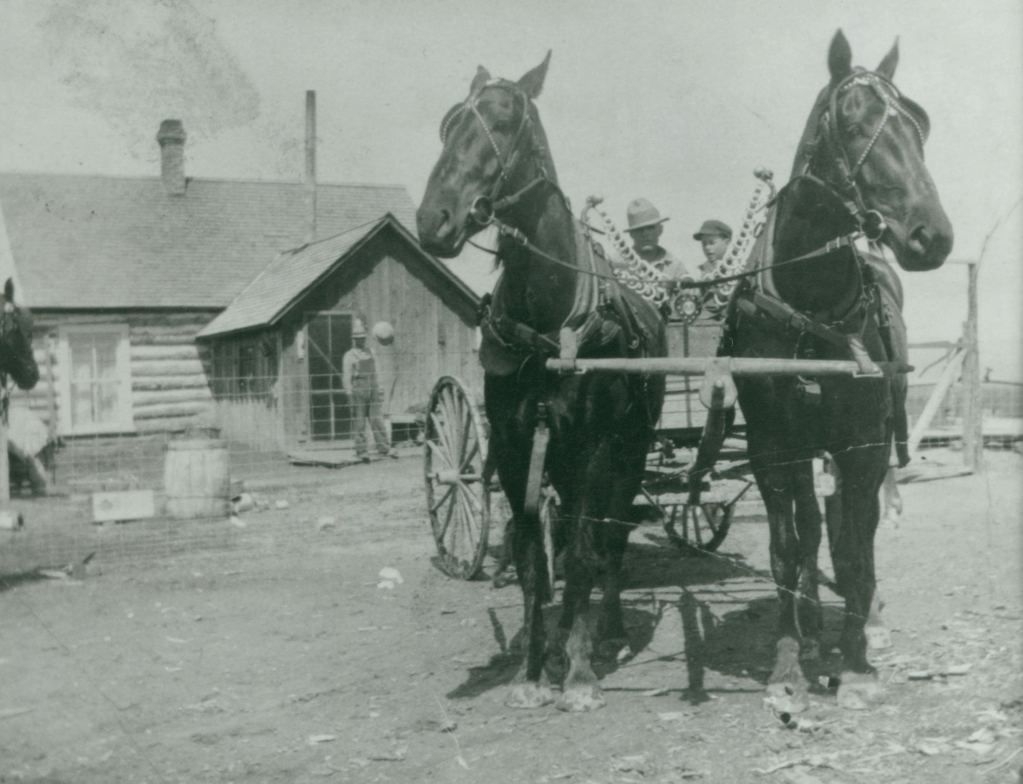
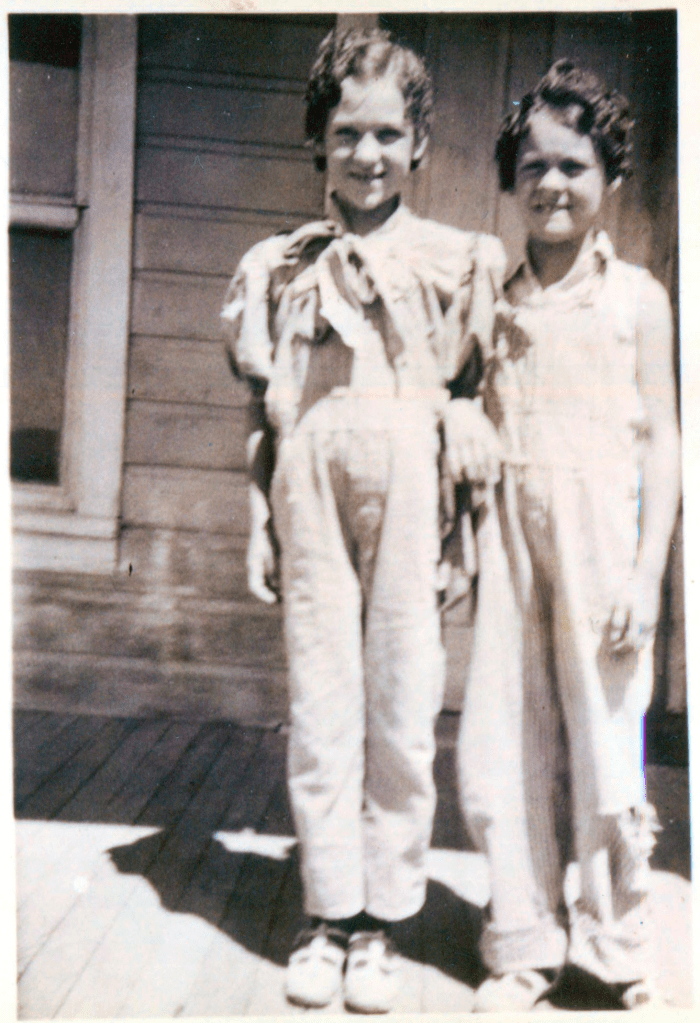
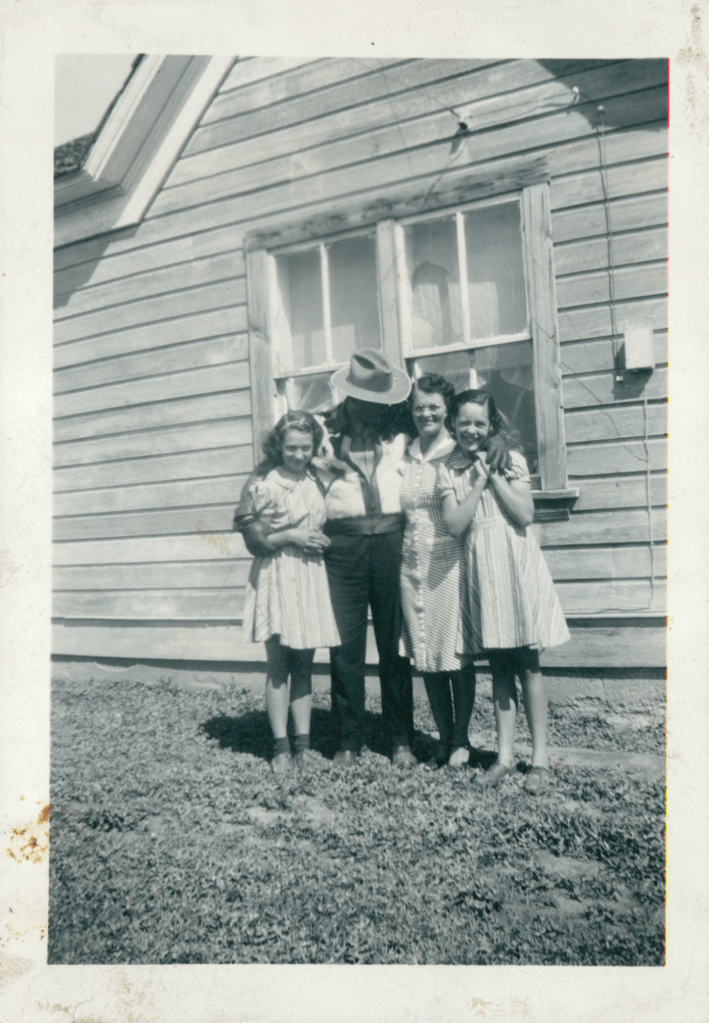
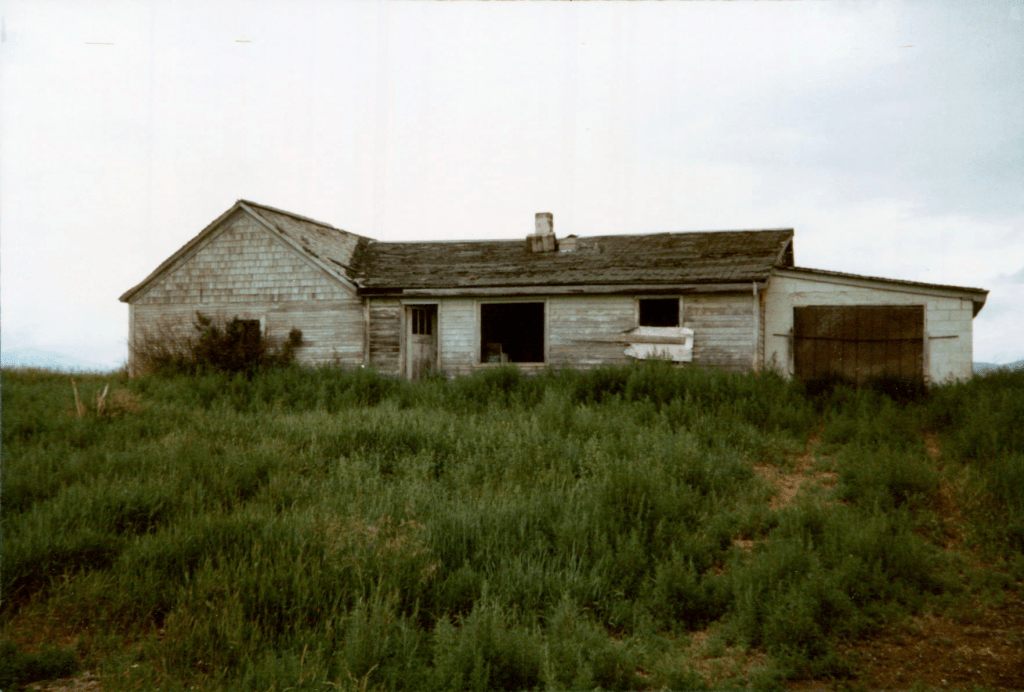
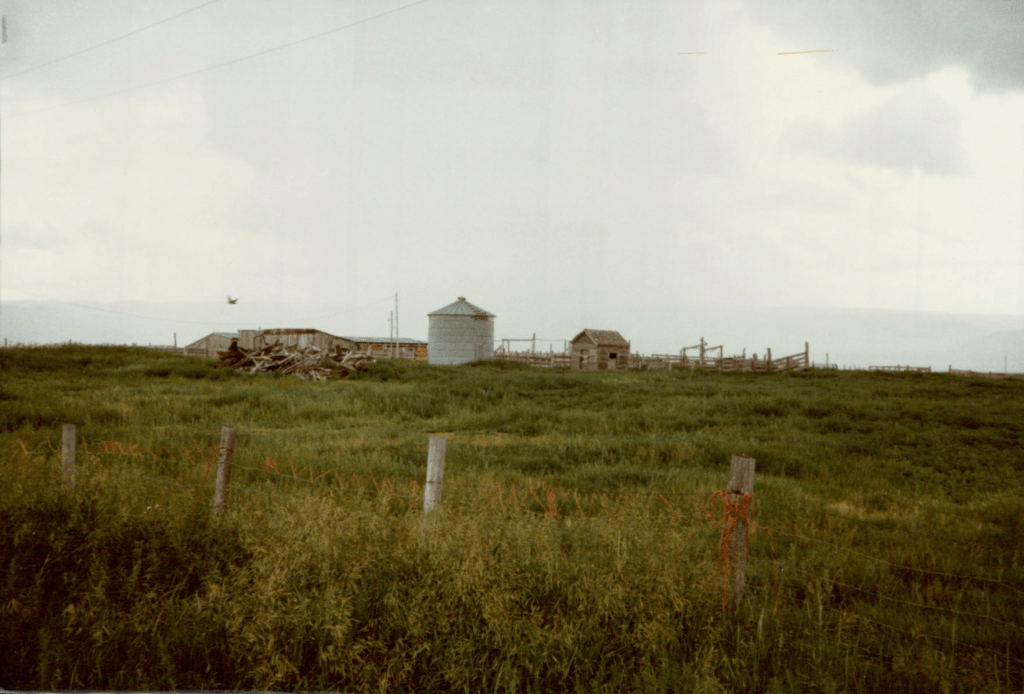


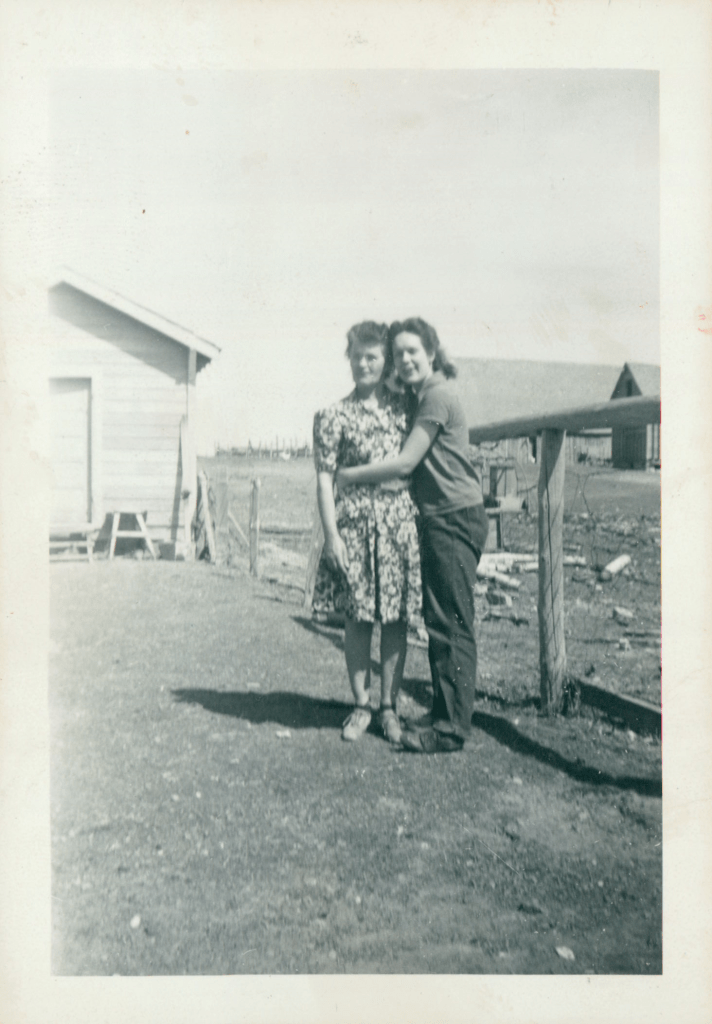

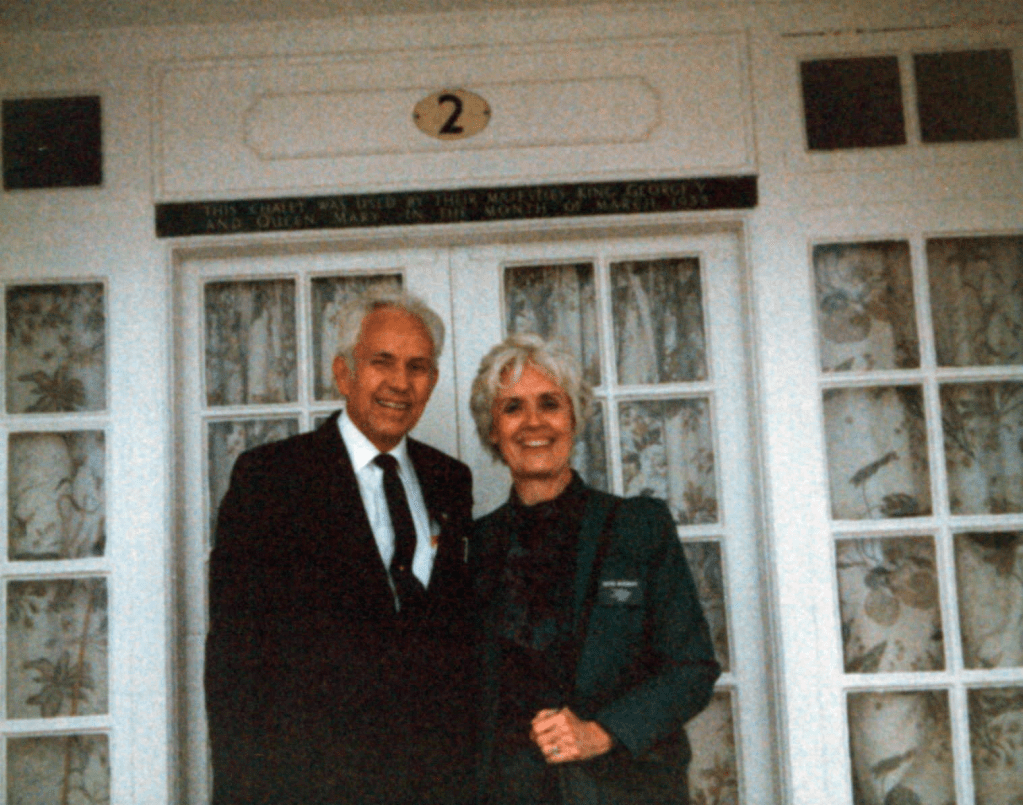
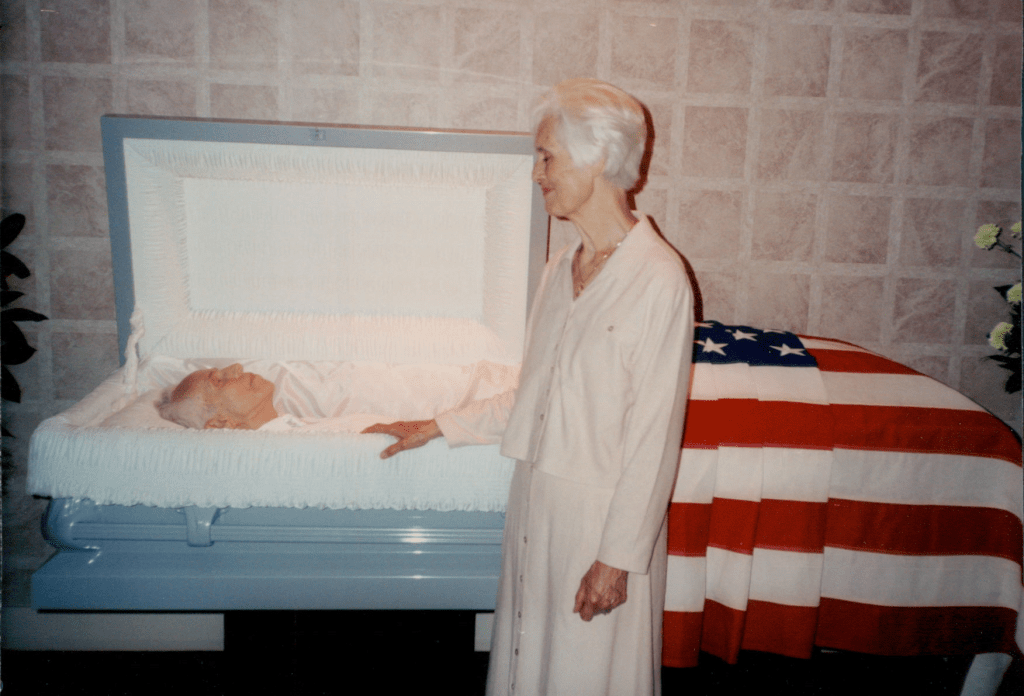

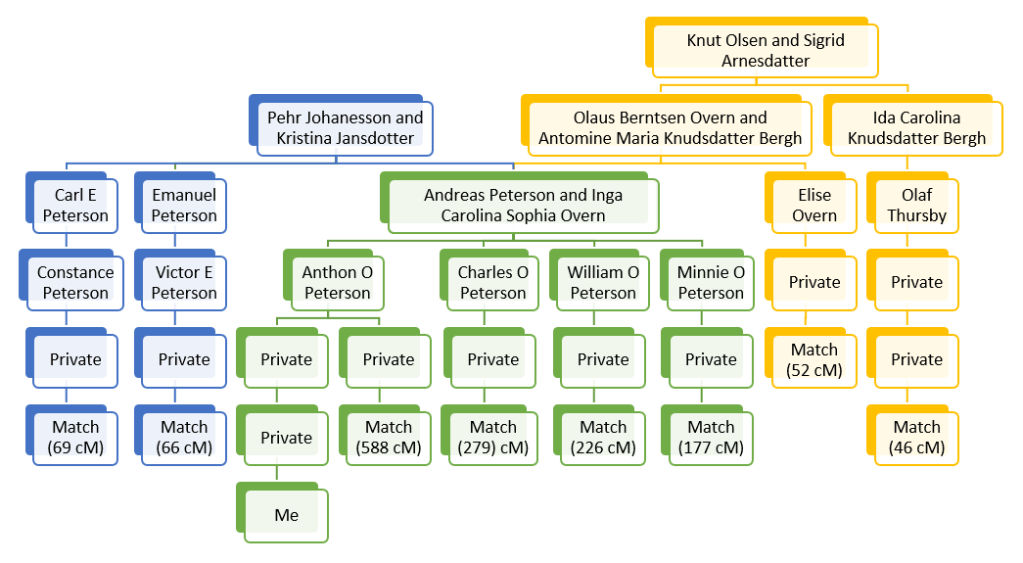
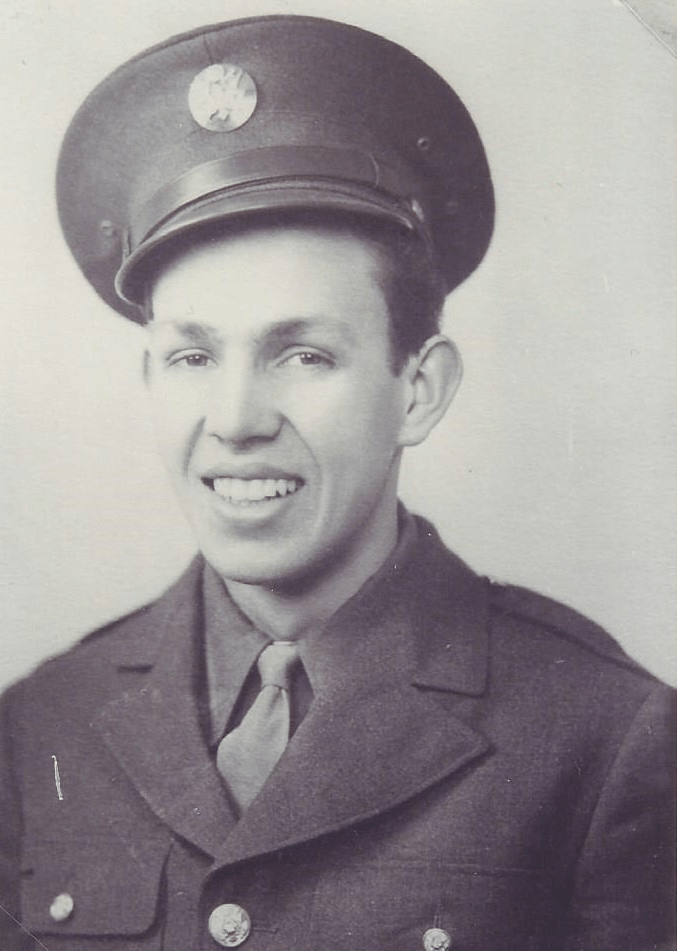

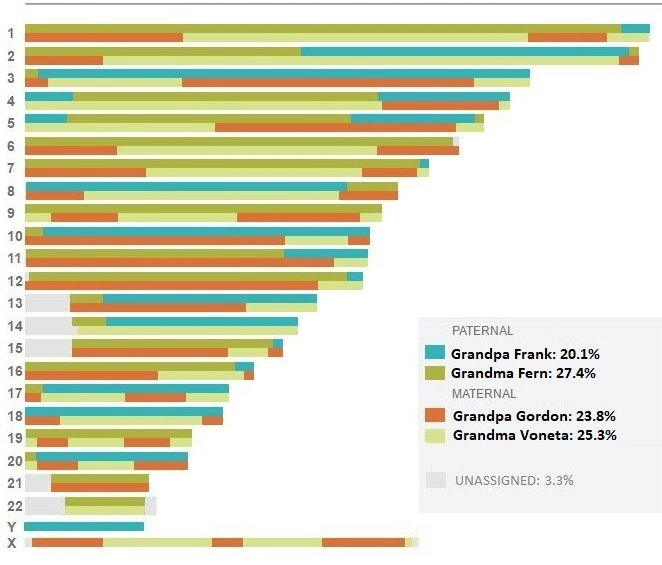


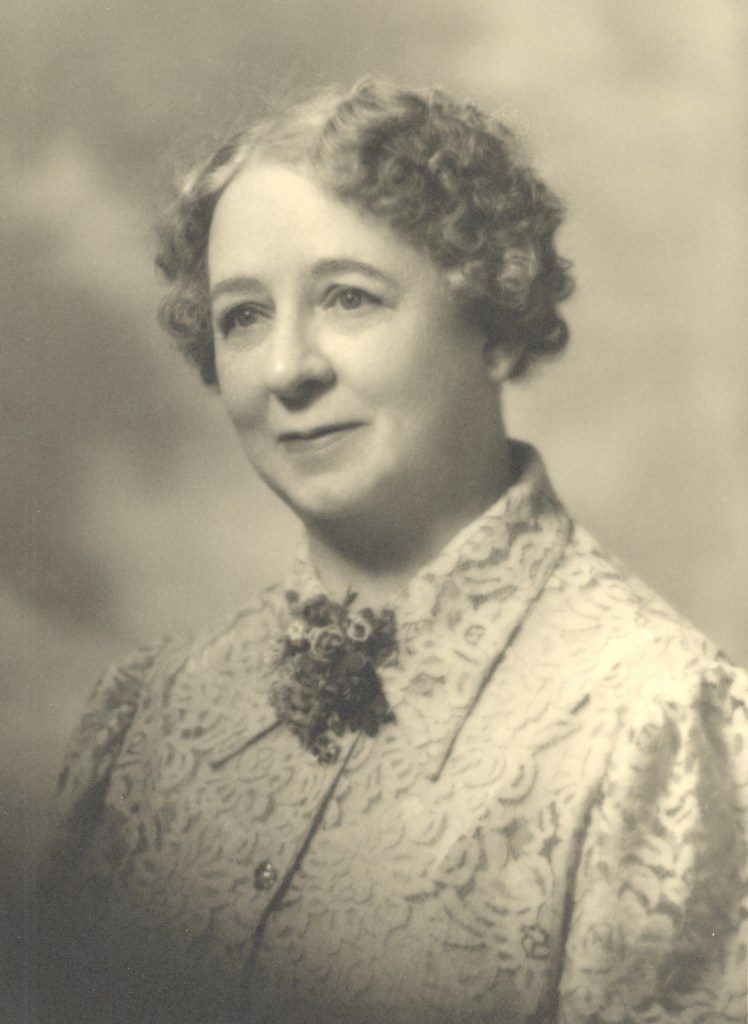

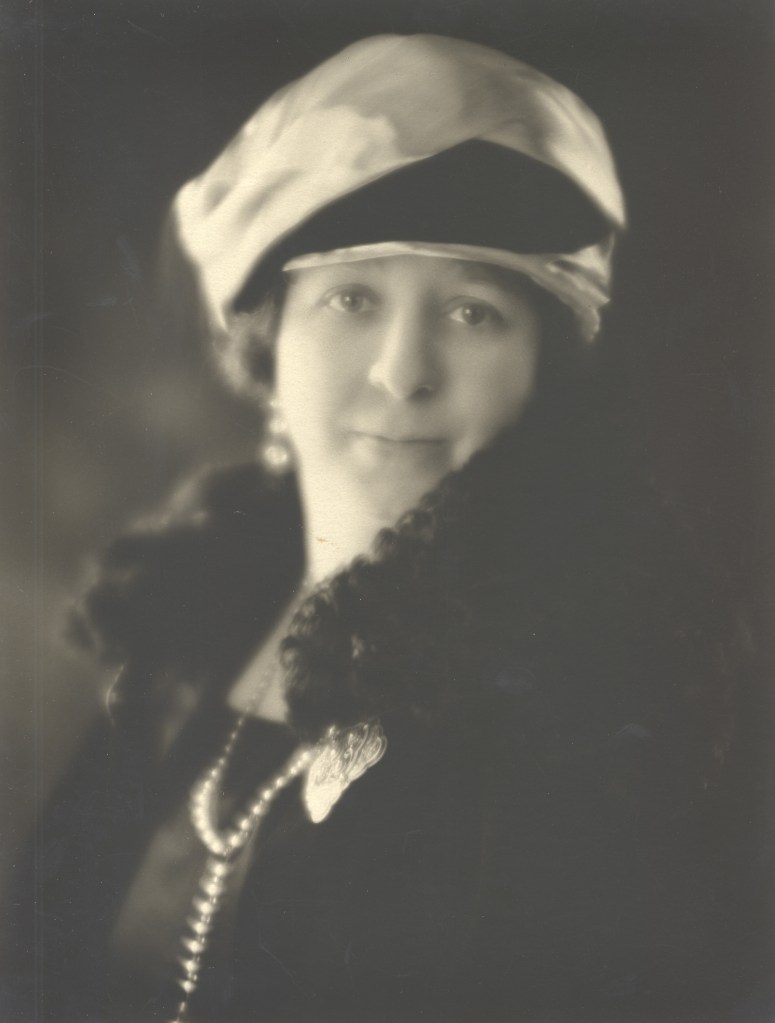
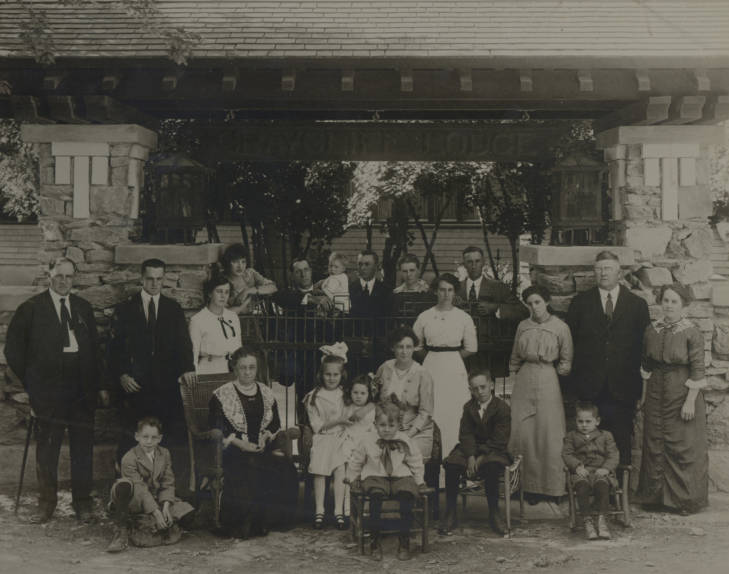
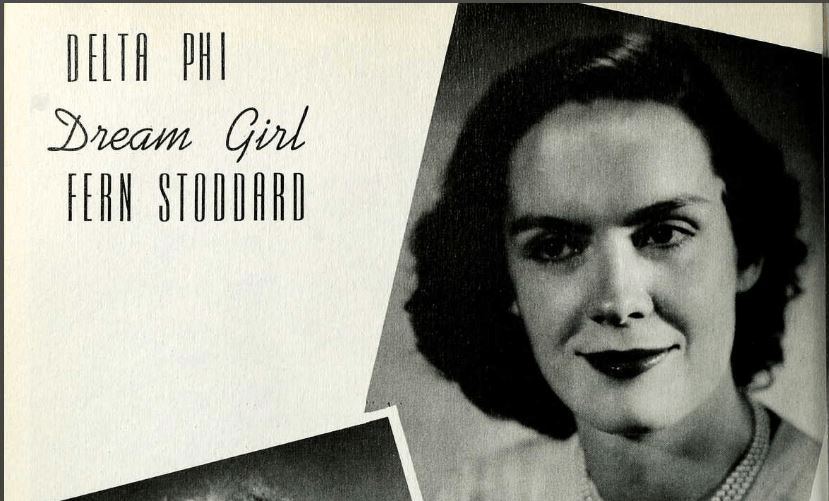


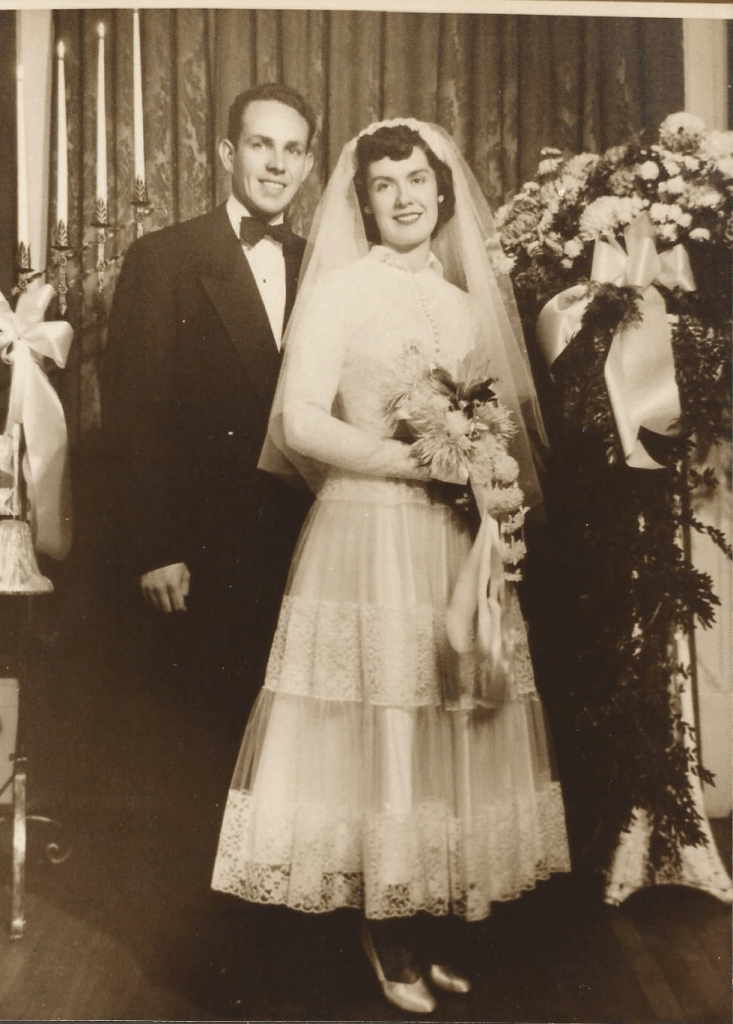

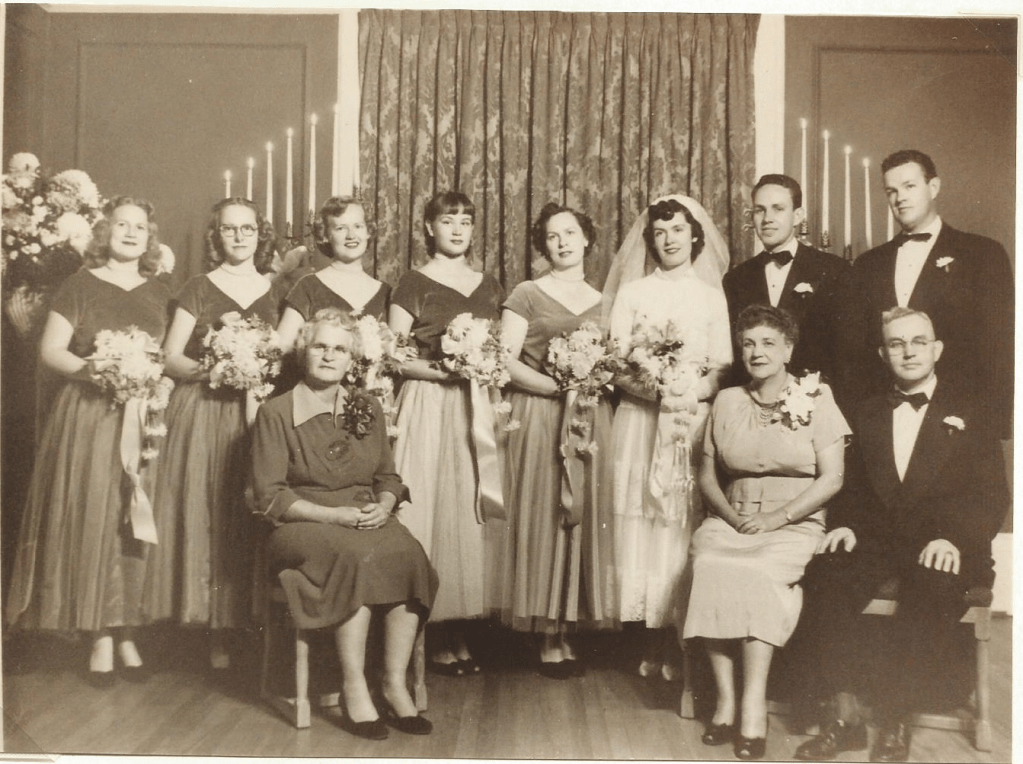

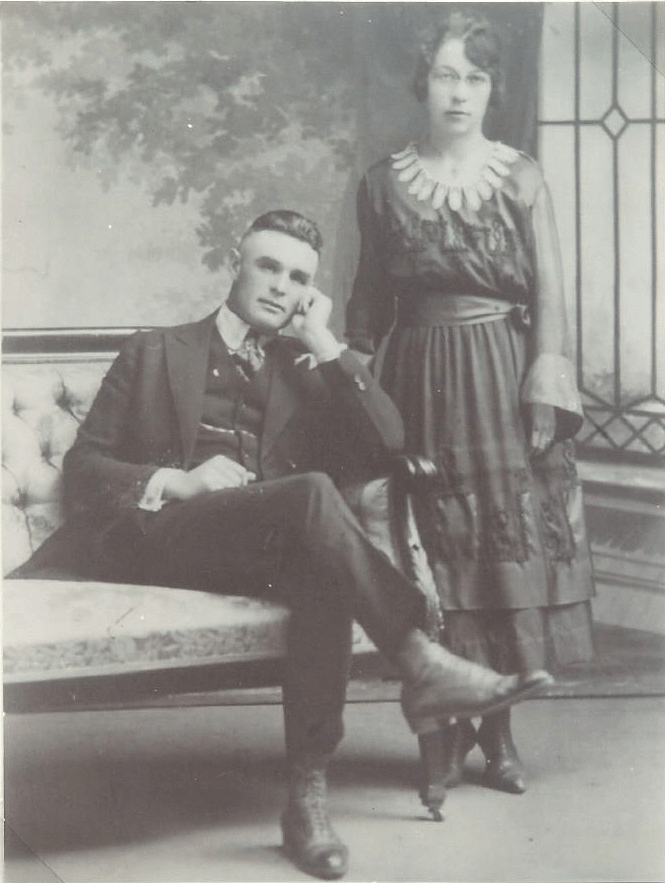

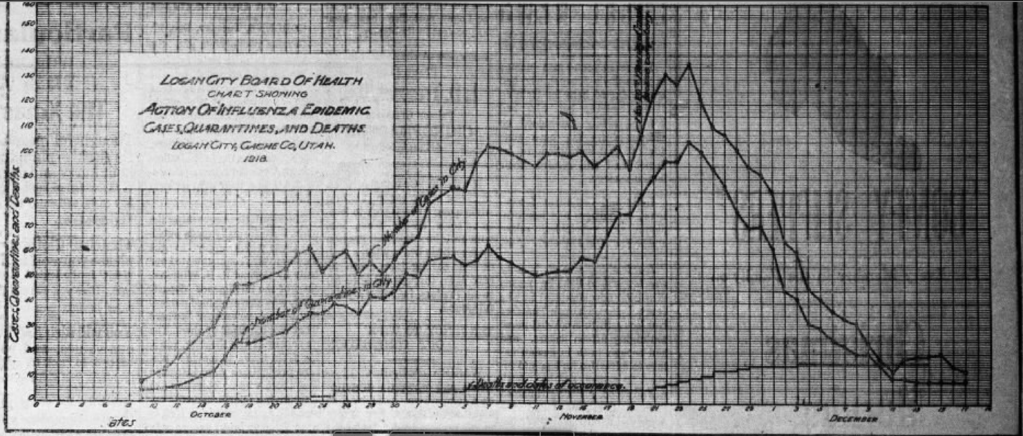
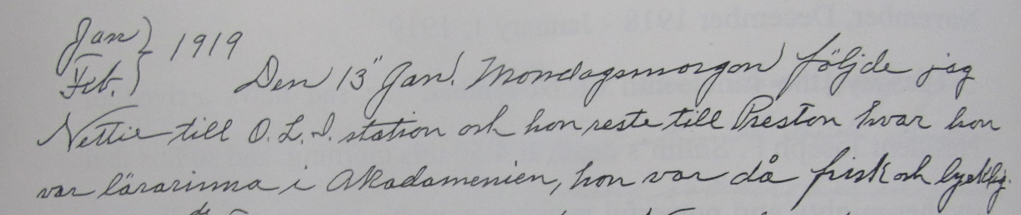
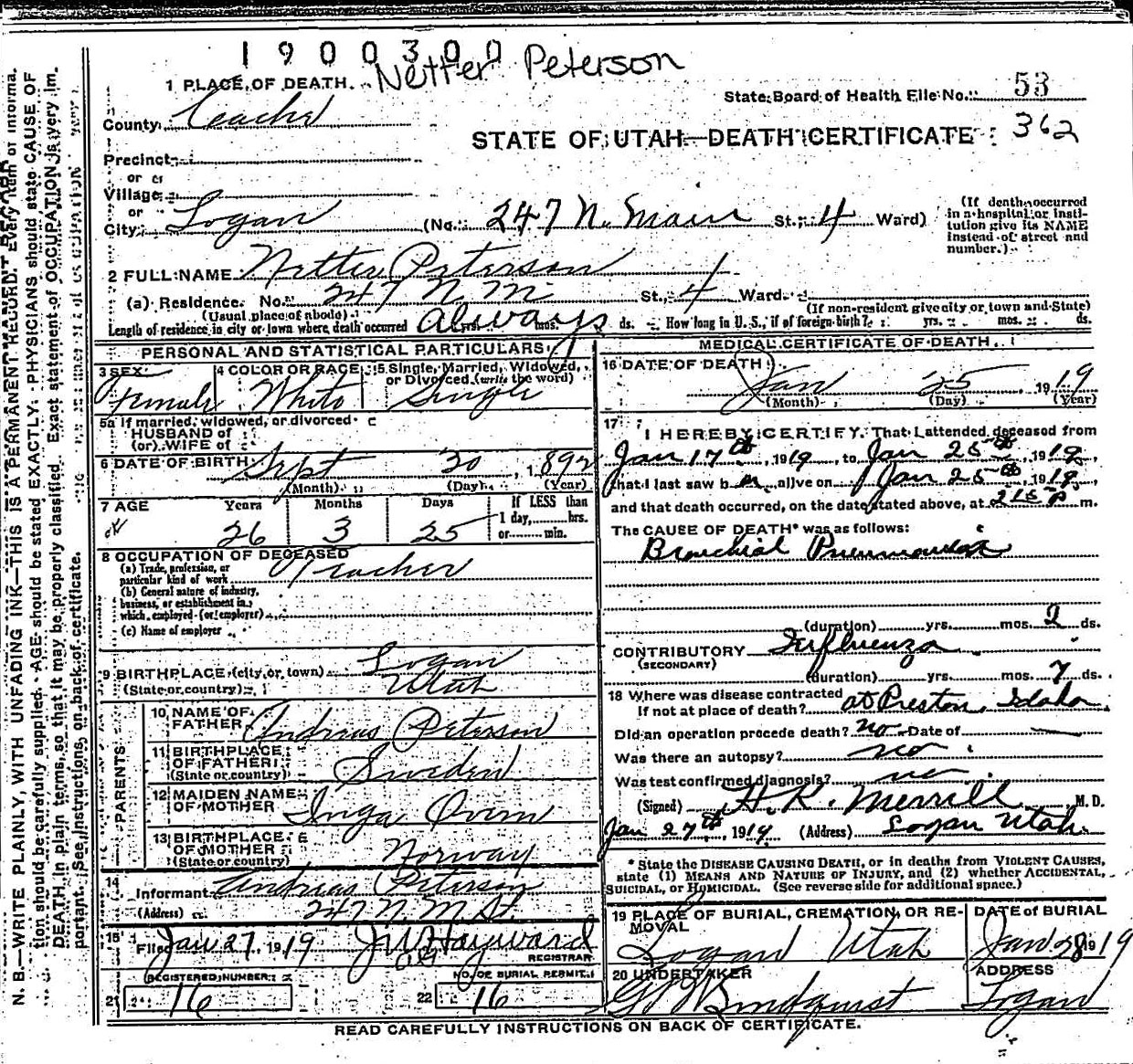

 Genealogenes