I love all things genealogy and family history. I want to share some of my research experiences and stories with you!
I fell in love with family history when I was eight years old. My grandparents gave each of their grandchildren family history binders for Christmas, and I have been hooked ever since. A pedigree chart showing the trajectory of my family’s history – most recently in Utah, before that in New England, the British Isles, Scandinavia and France – was fascinating to me. The stories about my uncles and aunts, as well as my more distant ancestors were intriguing. Thus began a life-long passion for genealogical research. As a teenager I decided to pursue a career in genetic genealogy. To that end, I attended Brigham Young University where I majored in genetics and minored in Family History. Since graduation, I have worked full-time as a professional genealogical researcher at Legacy Tree Genealogists where I get to do client research everyday. My main specialties are genetic genealogy and French genealogical research. I also dabble in Scandinavian, Italian, Spanish and other research areas. Genealogy is both my profession and my passion. Though most of my time these days is spent on research for clients, I do occasionally still get to work a little on my own family history research. Over the years, I have collected a lot of information, stories, photos, documents and research on my own family. I look forward to sharing some of my discoveries here with you. Maybe in the process you might learn something about our shared ancestors, about the early history of the Church of Jesus Christ of Latter-day Saints, or perhaps some of the records and strategies that you might use for exploration of your own family history. Enjoy!
Several months ago, I shared an announcement from FamilySearch, American Ancestors (New England Genealogical Society) and the General Society of Mayflower Descendants that they are working together to make available records for descendants of Mayflower passengers. In exploring the website for this collaboration, I found that I purportedly descend from John Alden and Priscilla Mullins through my grandmother, Fern Laurine Stoddard. In a previous post, I proved the generational linkage between my Rhoda Chase and her father, Isaac Chase. in this post, I will continue my efforts to prove (according to the genealogical proof standard) the generational linkages between Fern Stoddard and her proposed ancestors John Alden and Priscilla Mullins.
Generation 5: Isaac Chase to Sarah Simmons
Compiled family trees report that Isaac Chase was born 12 December 1791 in Little Compton, Newport, Rhode Island and that he was the son of Timothy Chase and Sarah Simmons.[1] The same compiled trees report that he married Phebe Ogden on 18 August 1818 in Sparta, Livingston, New York, and that he died 26 May 1861 in Salt Lake City, Salt Lake, Utah.
Isaac Chase portrait ca. 1840
Isaac’s Birth and Parentage
While no record of Isaac’s birth has been located in town records of Little Compton, we do find that two presumed siblings, Abner and Sisson Chace [sic] were born there on 26 April 1784 and 6 February 1786 respectively to Timothy Chace and his wife Sarah.[2] Perhaps the most direct evidence of the birthdate and parentage of Isaac Chase is his patriarchal blessing dated 9 February 1842 in Nauvoo, Hancock, Illinois, given by Hyrum Smith which named his parents as Timothy and Sarah Chase and reported that he had been born 12 December 1791 in Little Compton, Rhode Island.[3] This information was likely provided by Isaac himself. Isaac’s birthdate and birthplace were confirmed in an 1847 list of individuals in the Joseph B. Noble company who departed for the Salt Lake Valley on 19 June 1847.[4] The details of Isaac’s birthdate and birthplace generally align with his reported age and birthplace in the 1850 and 1860 U.S. Censuses.[5] While the death record of Isaac confirms his exact birthdate of 12 December 1791, it states that he was born in Massachusetts and that he was the son of Timothy and Lucy Chase.[6] Perhaps the information for this record was provided by someone unfamiliar with Isaac’s origins and parentage, as it is the only record found thus far that conflicts with the details previously described. Later family reminisces and histories consistently report that he was born in Rhode Island to Timothy and Sarah.[7]
Entries for Isaac Chase and his family in the Camp of Israel Schedules and Reports, Spring 1847 emilgration camp, third 100, first 50.
Isaac’s marriage to Phoebe Ogden
According to compiled family trees, Isaac Chase married Phoebe Ogden, widow of William Ross, on 18 August 1818 in Sparta, Livingston, New York. In fact, Livingston County was not formed until 1821. Therefore, if the date and place of this proposed marriage correct, then Isaac and Phoebe would have been married in Ontario County. Except for a short stint between 1847 and 1850, the state of New York did not require registration of marriages until 1880. Therefore, it is unlikely that a state-issued certificate of this marriage is still extant (if it ever existed at all). While announcements for some early marriages from Ontario County were published in local newspapers, we find no mention of the marriage of Isaac and Phoebe in extracts and indexes of these records.[8]
Modern compiled records (including FamlilySearch Family Tree) often state that Isaac and Phoebe were married in Sparta, but at least two earlier compiled records report conflicting information. A 1907 compiled genealogy regarding the Ogden family of Elizabethtown reported that Phoebe married Isaac Chase in 1818 in Seneca County, New York.[9] A 1913 compilation of biographies for Pioneers and Prominent Men of Utah reported that Isaac Chase married Phoebe Ogden in August 1818 in Seneca County.[10] A 1915 biography of Phoebe Ogden Chase reported that she married Isaac in 1818.[11] Since Isaac’s daughter, Rhoda Chase, was still living at the time these biographies were published, she may have been the informant for this information. Nevertheless, in her own history, Rhoda only stated that “Father’s parents moved from the state of Rhode Island when he was quite a small boy to the state of Vermont. When he became a young man, he came to the state of New York and married Phoebe Ogden Ross, widow of William Ross.”[12]
A much later undated compiled history of Isaac Chase of unknown authorship (though which includes many detailed references and footnotes) offered additional insight regarding available records and what they can tell us regarding the marriage of Isaac and Phoebe.[13] From this history, and through independent verification, we learn that both Isaac and Phoebe reported that they were married in 1818 when they received their endowment in the Nauvoo temple in December 1845.[14] Also, David Ogden Chase, son of Isaac Chase and Phoebe Ogden, at some point between 1861 and 1885 recorded in a notebook that his parents were married 18 July 1818 in Cayuga County, New York.[15] This makes sense given that Phoebe’s youngest daughter by her previous marriage, Clarissa Ross, was born in 1814 in Genoa, Cayuga, New York.[16] Also, Isaac was known to have been residing in Genoa as early as 2 April 1817 when he and Amos Scott purchased two acres of land from David Ogden, the uncle of his future wife.[17] After the death of her husband, it is likely that Phoebe was residing with her family near Genoa or Northville (now known as King’s Ferry). Therefore, it is most likely that they were married in the same county. By 1820, Isaac and Phoebe were living in Sparta, Ontario County, New York where all of their children would be born.[18]
Land indenture by David and Polly Ogden in favor of Amos Scott and Isaac Chase, 2 April 1817
Death of Isaac Chase
The death of Isaac is well-documented in contemporary sources. Though his death record offers information regarding his birth and parentage which conflicts with other sources, it is a primary source for information on the details of his death. It reports that he died 26 May 1861 of consumption (tuberculosis).[19] An obituary published a few days later confirmed the date of his death.[20]
Obituary of Isaac Chase, 1 June 1861 in The Mountaineer.
Conclusion
From this analysis, we conclude that Isaac Chase was born 12 December 1791 in Little Compton, Rhode Island, married Phoebe Ogden sometime in 1818 (likely in the summer and likely in Cayuga County, New York), and died 26 May 1861 in Salt Lake City, Utah Territory.
While documentary evidence supports these family relationships and generational linkages, it is important to note that biological relationships can differ from documented genealogies because of adoptions, cases of misattributed parentage, or other reasons. In this case, there is genetic evidence to support Isaac’s descent from Timothy Chase and Sarah his wife. This evidence will be explored in a future blog post. Next up, to prove the identity and parentage of Sarah Chase, Isaac’s mother.
[1] “FamilySearch Family Tree,” Isaac Chase (1791-1861), ID: KWJ1-KTY, https://familysearch.org, accessed January 2021.
[2] James Newell Arnold, Vital record of Rhode Island, 1636-1850 : first series: births, marriages, and deaths; a family register for the people (Providence, Rhode Island: Narragansett Historical, 1891-1912), p. 101, Family History Library 974.5 V2a v. 4, viewed digitally, https://familysearch.org, accessed January 2021.
[3] “Josephine C. Bradshaw collection, 1829-1937,” Patriarchal Blessing of Isaac Chase, 9 February 1842, Nauvoo, Illinois, Church History Library call number MS 1560, https://catalog.churchofjesuschrist.org/, accessed January 2021.
[5] 1850 U.S. Census (population schedule), Great Salt Lake, Utah Territory, sheet 65b, Isaac Chase household, https://ancestry.com, subscription database, accessed March 2021; and,
1860 U.S. Census (population schedule), Great Salt Lake City Ward 13, Great Salt Lake, Utah Territory, sheet 187, Isaac Chase household, https://ancestry.com, subscription database, accessed March 2021.
[6]Utah, U.S., Death Registers, 1847-1966 (index and images), death of Isaac Chase, 26 May 1861, Salt Lake City, Salt Lake, Utah, no. 1307, p. 47, https://ancestry.com, subscription database, accessed March 2021.
[7] Rhoda Chase, “Early Reminisces of the Chase Family,” in Memoirs of the Chase family, ca. 1916-1920, call no. MS 8434, https://catalog.churchofjesuschrist.org/, accessed March 2021; and,
Frank Essholm, Pioneers and Prominent Men of Utah (Salt Lake City: Utah Pioneer Books, 1913), p. 800, https://contentdm.lib.byu.edu/, accessed March 2021.
[8] Syracuse Public Library, Local History Department, “Marriages from Ontario C ounty newspapers published at Canandaigua, 1803-1879, https://www.familysearch.org/library/books, accessed March 202; and,
Crystal W. Fegley, Marriages and deaths from misc. newspapers, for Waterloo, Seneca Falls, Ovid, Trumansburg and Geneva, 1807-1908 (Provo, Utah: Brigham Young University, 1970), https://www.familysearch.org, accessed March 2021.
[9] William Ogden Wheeler, The Ogden Family in America: Elizabethtown Branch and their English ancestry: John Ogden, the Pilgrim and His Descendants 1640-1906, Their History, Biography and Genealogy (Philadelphia: J.B. Lippincott Company, 1906), p. 281, https://ancestry.com, subscription database, accessed March 2021.
[10] Frank Esshom, Pioneers and Prominent Men of Utah (Salt Lake City: Utah Pioneer Books, 1913), p. 800, https://contentdm.lib.byu.edu/, accessed March 2021.
[11] James Thomas Jakeman, Daughters of the Utah Pioneers and their Mothers (Salt Lake City: Western Album Publishing Company, 1915), https://archive.org/, accessed March 2021.
[12] Rhoda Chase, “Early Reminisces of the Chase Family,” in Memoirs of the Chase family, ca. 1916-1920, call no. MS 8434, https://catalog.churchofjesuschrist.org/, accessed March 2021.
[14] Church of Jesus Christ of Latter-day Saints. Temple Records Index Bureau, Nauvoo Temple endowment register : 10 December 1845 to 8 February 1846 ( 1974), p. 10,11, Family History Library 977.343/N1 K29c.
[15] George Ogden Chase, George O. Chase notebooks, 1861-1886, vol. 2, Church History Library call no. MS 3359.
[16] Church of Jesus Christ of Latter-day Saints. Temple Records Index Bureau, Nauvoo Temple endowment register : 10 December 1845 to 8 February 1846 ( 1974), Family History Library 977.343/N1 K29c.
[17] Cayuga County (New York). County Clerk , Deed records, 1794-1901; index, 1793-1956, “Deeds, Cayuga Co. v. T-U 1817-1819,” Indenture between David Ogden and Polly Ogden in favor of Amos Scott and Isaac Chase, 2 April 1817, Genoa, Cayuga, New York, vol. T, p. 416, Family History Library microfilm 851939, viewed digitally, https://familysearch.org, accessed March 2021.
[18] 1820 U.S. Census (population schedule), Sparta, Ontario, New York, sheet 92, Isaac Chase household, https://ancestry.com, subscription database, accessed March 2021.
[19]Utah, U.S., Death Registers, 1847-1966 (index and images), death of Isaac Chase, 26 May 1861, Salt Lake City, Salt Lake, Utah, no. 1307, p. 47, https://ancestry.com, subscription database, accessed March 2021.
In a previous blog post, I shared an announcement from FamilySearch, American Ancestors (New England Genealogical Society) and the General Society of Mayflower Descendants that they are working together to make available records for descendants of Mayflower passengers. In exploring the website for this collaboration, I found that I purportedly descend from John Alden and Priscilla Mullins through my grandmother, Fern Laurine Stoddard. In the last post, I proved the generational linkages between Ira Stoddard, Elanthropy Stoddard and Rhoda Chase. In this post, I will continue my efforts to prove (according to the genealogical proof standard), the generational linkages between Rhoda Chase and her proposed ancestors John Alden and Priscilla Mullins.
Generation 4: Rhoda Chase to Isaac Chase
The death certificate for Rhoda (Chase) Hinman reports that she died 28 January 1920 in Centerville, Davis County, Utah.[1] It reports that she was born 29 September 1830 in New York and that she was the daughter of Isaac Chase and Phoebe Ogden. The information for the record was given by Rhoda’s niece, Kate Chase with whom she had been living in the final months of her life. Prior to that time, she had been living in Cardston, Alberta, Canada. Though the information for the record was given by someone who might have been less familiar with the exact birthdate and parentage of Rhoda, this reported information is supported by several other sources.
Death certificate of Rhoda Hinman
In the 1830 U.S. Census, Isaac Chase was enumerated with his family in Sparta, Livingston County, New York. Prior to 1850, United States Census records only named heads of households whereas all other individuals in the family were represented with tick marks based on age and gender. The 1830 census was taken in June 1830 a few months before Rhoda’s reported birth. Ten years later the family was enumerated in the 1840 census in the same locality. Comparison between these two enumerations suggest that one of the females aged 10-14 who was enumerated in the 1840 U.S. Census was Rhoda Chase. According to reminisces that Rhoda recorded during her life, she and her older siblings were born in Sparta, Livingston County, New York. According to this same record, in 1840 her family migrated to Nauvoo, Hancock County, Illinois where they joined the main body of members of the Church of Jesus Christ of Latter-day Saints.[2] The earliest record found to date mentioning Rhoda by name is an 1842 Census of Nauvoo carried out and organized by the general Church clerk.[3] Rhoda was enumerated immediately after her parents (Isaac and Phebe) and her older half-sister Clarissa. Other records confirming Rhoda’s birthdate and birthplace include her patriarchal blessing which she received while the family was still residing in Nauvoo on 7 March 1843.[4] It confirmed that she was the daughter of Isaac Chase and Phebe Ogden and that she was born 29 September 1830 in Sparta, New York. Another record confirming her birthdate was the 1901 Canada census.[5] After the death of Rhoda’s first husband, Judson, she married Morgan L. Hinman as a plural wife. Application of federal laws prohibiting polygamy in the United States and prosecution of many practitioners caused many to migrate from Utah to Mexico or Canada. Rhoda moved to Canada in the 1880s with her family and was enumerated there in 1901 in the census. Her enumeration confirmed that she was born 29 September 1830 in the United States. On her final trip returning to the United States, Rhoda reported that she was born in Sparta, New York.[6] While the manifest of her boarder crossing through Sweet Grass, Montana was dated 24 May 1920, nearly four months after her documented death, closer analysis of the document reveals that the date of her examination and entry into the United States was 3 October 1919. This date of entry is confirmed in Rhoda’s diary which also reported that she paid eight dollars in immigration fees.[7] Instructions for the creation of the border crossing list indicated that once a manifest was filled it was supposed to be returned to Montreal, Canada at the end of each month. The fact that the manifest documenting Rhoda’s entry into the United States was not completed and returned until seven months after her entry is perhaps a testament to the low number of individuals crossing at the port in Sweet Grass.
Entry from Rhoda’s Diary from the day she crossed into the United States confirming she migrated on 3 October 1919
Rhoda’s reminisces also report that while living in Nauvoo she married Judson Lyman Stoddard in 1845. An interview and biography written in 1915, when she was 85 years old, reported that she married Judson Lyman Stoddard on 29 October 1845.[8] This date is also reported in several other compiled records and life histories. The only documentary evidence we have for these dates are in memories recorded many years after the event, so it is possible that this date may not be entirely correct. However, we do find that before leaving Nauvoo, she and Judson were sealed in the Nauvoo Temple on 4 February 1846.[9] Judson and Rhoda were among the first settlers to migrate across the plains to Utah, arriving there between 20 and 24 September 1848.[10]
After the death of Judson Lyman Stoddard in December 1869, Rhoda married Morgan Lewis Hinman on 4 April 1870 in Salt Lake City as a plural wife.[11] He died in Alberta, Canada in 1891 and was buried there.[12] Rhoda continued to live in Alberta for most of the remainder of her life, but spent the last few months of her life in Utah where she died 28 January 1920.[13] A short obituary reported that she died at the Chase farm in Centerville, Davis County, Utah.[14] It also confirmed that she was the daughter of Isaac Chase and Phebe Ogden, that she had first been married to Judson Lyman Stoddard and that she was later married to Morgan Hinman.
Obituary of Rhoda Hinman in the Salt Lake Telegram 28 January 1920
From these records, we conclude that Rhoda Chase was born 29 September 1830 in Sparta, Livingston, New York. She was the daughter of Isaac Chase and Phoebe Ogden. She married Judson Lyman Stoddard in Nauvoo, Hancock, Illinois in late 1845 and at least before February 1846. He died in December 1869 after which Rhoda married Morgan Lewis Hinman. He died in 1891 in Canada and nearly 30 years later, Rhoda Chase Stoddard Hinman died 28 January 1920 in Centerville, Davis, Utah.
While documentary evidence supports the family relationship and generational linkage between Rhoda Chase and her father, Isaac, it is important to note that biological relationships can differ from documented genealogies because of adoptions, cases of misattributed parentage, or other reasons. In this case, there is genetic evidence to support Rhoda’s biological relationship to her father. This evidence will be explored in a future blog post. Next up: to prove the parentage of Isaac Chase.
[1]Utah, U.S., Death and Military Death Certificates, 1904-1961 (index and images), death of Rhoda Hinman, 28 January 1920, Centerville, Davis, Utah, certificate no. 550, https://ancestry.com, subscription database, accessed November 2020.
Hyrum Smith, “Patriarchal Blessing of Rhoda Chase,” 7 March 1843, Nauvoo, Hancock, Illinois, churchofjesuschrist.org, privately shared with author, accessed January 2021.
[5]1901 Census of Canada (index and images), Cardston, Alberta, The Territories, Canada, p. 2, Rhoda C. Hinman household, https://ancestry.com, subscription database, accessed November 2020.
[6]Washington, U.S., Arriving and Departing Passenger and Crew Lists, 1882-1965 (image), Rhoda C s Hinman, S.S. Canadian Pacific Railway, 3 October 1919, Sweet Grass, Montana, https://ancestry.com, subscription database, accessed January 2021.
[7]Rhoda Chase Hinman, Rhoda C. Hinman diaries, 1896-1919, “Journal, 1917 December-1919 December,” p. for 4 Junes, image 167 of 200, Church History Library call number MS 6713, https://catalog.churchofjesuschrist.org/, accessed January 2021.
[9] Nauvoo Community Project, “Rhoda Ogden Chase,” LLQ8-D5V, http://nauvoo.byu.edu/, accessed November 2020, citing: Nauvoo Temple (LDS Church), Sealings and Adoptions of the Living, 1845-1857 (Salt Lake City, Utah: Filmed by the Genealogical Society of Utah, 1958), p. 499-500, FHL microfilm 183374.
[11] Nauvoo Community Project, “Rhoda Ogden Chase,” LLQ8-D5V, http://nauvoo.byu.edu/, accessed November 2020, citing: Endowment House (LDS Church), Sealings of couples, living and by proxy, 1851-1889 (Salt Lake City, Utah: Filmed by the Genealogical Society of Utah, 1958, 1978), p. 143, FHL microfilm 1149515.
[12]Find A Grave (image and transcription), Cardston Cemetery, Cardston, Alberta, Canada, headstone for Motgan Lewis Hinman, 1831-1891, memorial no. 107771248, https://findagrave.com, accessed January 2021.
[13]Utah, U.S., Death and Military Death Certificates, 1904-1961 (index and images), death of Rhoda Hinman, 28 January 1920, Centerville, Davis, Utah, certificate no. 550, https://ancestry.com, subscription database, accessed November 2020.
[14] “Mrs. Rhoda Hinman Called by Death,” Salt Lake Telegram (Salt Lake City, Utah), 28 January 1920, p. 12, https://newspapers.com, subscription database, accessed January 2021.
This week, we get more of the love letters between Frank and Fern, more diary entries from the journal of Maude Dee Porter detailing the events of Fern and Frank’s engagement between September 1952 and their marriage on 10 October 1952.
Last week we left off with a letter from Frank to Fern on 28 August. A few days later, on Saturday 30 August, Frank came up to Ogden in the evening and stayed overnight. The next day he joined Fern and Maude at church where he sang a solo and Fern accompanied him.[1] That evening, Fern and Frank traveled to Provo where they hiked Mount Timponogos the next day – Labor Day.
“Took Fern to Miss Smiths for a lesson & later with Marian I took her to Farmington to visit Barbara & later to go to the Temple…Fern & Frank came in good time. Frank stayed all night. Fern & I fixed him a lunch for tomorrow.”
In case you can’t read the last part, Frank writes: My lunch time is gone and so I guess that I’ll just wind this letter up by telling you something you perhaps have guessed by this time. It is this, Fern – that I Love you. As a matter of fact, I guess you have me going around in circles. Is that not quite apparent? Frank
That same evening, Maude wrote about Fern getting cold feet and the result:
“Fern & I spent some time out on the terrace. A fine, cool eve. Fern became upset thinking of her affairs. She phoned Frank & he rushed up to a comfort her & back home again.” The next day, she wrote, “A rather late breakfast. Fern wrote out facts about her engagement & we took the paper & the picture to Sally Humphris… Fern got Franks ring, also material for bridesmaid dress (Ermas wedding) Ordered invitations & announcements at Woodys. A hot day. We hurried home. Did some cooking. Down town to P.O. with letter (Fern to Frank special del.) got stamps, got ice cream. Had our lunch at home at 3 pm & then rested… Fern practicing. We argued the question of her starting lessons again with Mrs. Jenkins… Frank phoned. Fern herself again.”
Following is the version of events that Fern recorded in the special delivery letter:[4]
Saturday, September 6, 1952 …At 3 pm. drove down town (Fern & I). Picked up Ferns shoes, to Mrs. Furniss & fitted suit, to Ellises & got apples for Fern to put up… Fern put up my hair & we listened to Twenty Questions. Frank came & he & Fern went to Salt Lake. (Frank politely asked me to go with them but I declined) They went to Olies a terrible place & got home late. Frank stayed. Fern was tired went to sleep on my bed with me. Sunday, September 7, 1952 It is so nice to have Fern & Frank here if only my Dick could be with us. Frank went home. We got up in good time. Frank left at 8 without breakfast his fast day. Fern went to teach at Sunday school… Fern & I got dinner in a leisurely way. Frank came & we ate at 3…Monday, September 8, 1952 Fern put up apples this a.m. all by herself for Golden Gleaner credit. I did a lot of phoning re home & wedding arrangements…Took Fern to Miss Smiths for lesson at 3. Called for her at 4 & we went down town. Got Franks ring at Wests also material for Ferns bridesmaid dress (Ermas wedding) at Silk Shop. In the eve… Fern went to Mutual. Tuesday, September 9, 1952 Fern fasting (to pray for guidance…Fern & I met Barbara & two children at the station & brot them home. Had lunch, then went to Bertha Eccles Hall to make plans for reception. Came home & Fern showed her trousseau… we drove Barbara & children home. Fern stayed with them…
The next few days in Maude’s diary were blank, perhaps because of her preparations for Fern and Frank’s wedding as well as the wedding of Erma Adams, but where the diary drops off, the letters pick up. Over the next several days, Frank wrote the following:[6]
On 16 September, Fern responded to Frank’s letters with the following:[7]
Later that evening, Fern and Maude attended a wedding shower:[9] “Fern & me down to Margarets for a shower for Fern. A pleasant time with members of our family (female) the Woodburys (mother & sisters of Frank) also Donna Witmer. Frank brot Fern & me home also quantities of canned provisions & reciepes for their use.”
After this, there are fewer surviving letters from the time of Frank and Fern’s engagement. The following weeks were a flurry of activity in preparation for the wedding.[11] 20 September there was a cousins party (for the Dee family) at Betty’s honoring Frank and Fern. On Sunday 21 September, Frank spoke at his stake conference. on 26 September Fern served as a bridesmaid at Erma Adams’ wedding. The next day, Frank and Fern went on a hayride and attended a bridal shower thrown by Frank’s younger sister. That Sunday, Fern prepared and hosted a meal for the Woodbury’s. 29 September, Frank and Fern went in search of an apartment. September 30, Fern made out the menu for the wedding dinner and reception and went and got her bridal shots taken. October 1, Frank and Fern met the florist and decorator for the reception to finalize arrangements, October 4 and 5 were General Conference.
“Wednesday, October 8, 1952 Began assembling things for Fridays wedding dinner. All plans fully made … Henry came in the late eve. He & I got tables & chairs out & placed. (He had a hard time getting the big round table up. Fern & Frank did not got home until quite late. Thursday, October 9, 1952 Mary came this a.m. & we got really busy preparing for tomorrow. Table cloths on & all settings ready on tables to be placed. Went to Pres. Riries office & got my temple recommend signed. Ferns mother with us. Frank & Fern in Salt Lake…Mrs. Stoddard took Marion & me to Farmington for a supper given for members of the Woodbury & Stoddard families. A pleasant time. Came home with Fern & Frank. He stayed in his bachelor apartment down stairs to be ready for the a.m. My last night with Fern. She nervous & restless.”
“Friday, October 10, 1952 We got up at 615. Hurried around & left home at 715 am. Frank & Fern took me to Farmington & they went on to the Temple. Mrs. Stoddard, Barbara, Bobs wife (Dorothy) & I drove down to the Temple. Heard part of the 9 oclock service. Saw Fern & Frank as they came out. Went with Mrs. Woodbury to brides room to see Fern get dressed in her wedding dress, before she met Frank at the veil…We saw Frank & Fern married To Woodburys for lunch. I home with Bob S. at 2 p.m. Lots to do. Elizabeth & Bob took gifts to the hall. Wedding party had pictures taken at 4. All assembled at our house for supper at 5. Sociable visit before going to reception. Everything was beautiful & all went off like clock work. Over 180 came. Fern & Frank left at 11 pm.
“On a beautiful autumn morning, October 10, 1952, we drove from Ogden to Salt Lake where we were married in the Salt Lake temple by grandfather, Frank B. Woodbury. A lovely wedding breakfast was prepared and served by my mother, Louise C. Woodbury and my sisters at the Woodbury home.
A delicious dinner was served for the wedding party at the home of Maude Dee Porter. We had a wonderful wedding reception at the Bertha Eccles hall sponsored by aunt Maude. She had been very helpful to Fern in planning the wedding as well as providing support and instruction. She was a very dear friend of Fern’s and consequently a very good friend of mine. After our wedding reception there was a traditional ritual. We were followed by others who pursued us in an automobile chase. We had anticipated this and so developed a subversive plan. By previous arrangement, my brother Joe parked his car in a narrow thru-way alley. The Fisher family transported us from the wedding reception with friends following as usual. We drove into the alley behind my brother’s car, then Fern and I got into my brother’s car and we drove away, leaving the Fisher’s car to block the alley, thus preventing pursuit by our friends. All would have been well, except that the Fishers changed their minds and cleared the alley. But we were far enough that by parking in someone’s driveway we evaded them – we thought. Just as we backed out, they rounded the corner.
We drove to Temple Square Hotel in Salt Lake City to spend our first night. We went the following day to the Alpine Rose Lodge in Brighton and spend several days there…”
Thus began a beautiful and joyous marriage.
Frank Woodbury and Fern Stoddard on the Day of their Marriage, 10 October 1952
[1] Annie Maude Dee Porter, Dee, Annie Taylor and Annie Maude Dee Porter Diaries, “1952 Annie Maude Dee Porter Diary,” August 29 – September 1, p. 127-128, https://cdm.weber.edu/digital/collection/ANN/id/9537, accessed February 2021.
[3] Frank Woodbury, letter to Fern Stoddard, 4 September 1952, Salt Lake City, Utah, Frank and Fern Woodbury Family Archives.
[4] Fern Stoddard, letter to Frank Woodbury, 5 September 1952, Salt Lake City, Utah, Frank and Fern Woodbury Family Archives.
[5] Annie Maude Dee Porter, Dee, Annie Taylor and Annie Maude Dee Porter Diaries, “1952 Annie Maude Dee Porter Diary,” September 6-9, p. 131-132, https://cdm.weber.edu/digital/collection/ANN/id/9540, accessed February 2021.
[6] Frank Woodbury, letter to Fern Stoddard, 9 September 1952, Salt Lake City, Utah, Frank and Fern Woodbury Family Archives; and,
Frank Woodbury, letter to Fern Stoddard, 10 September 1952, Salt Lake City, Utah, Frank and Fern Woodbury Family Archives; and,
Frank Woodbury, letter to Fern Stoddard, 11 September 1952, Salt Lake City, Utah, Frank and Fern Woodbury Family Archives; and,
Frank Woodbury, letter to Fern Stoddard, 15 September 1952, Salt Lake City, Utah, Frank and Fern Woodbury Family Archives; and,
[7] Fern Stoddard, letter to Frank Woodbury, 16 September 1952, Salt Lake City, Utah, Frank and Fern Woodbury Family Archives.
[8] Frank Woodbury, letter to Fern Stoddard, 9 September 1952, Salt Lake City, Utah, Frank and Fern Woodbury Family Archives; and,
Frank Woodbury, letter to Fern Stoddard, 10 September 1952, Salt Lake City, Utah, Frank and Fern Woodbury Family Archives; and,
Frank Woodbury, letter to Fern Stoddard, 11 September 1952, Salt Lake City, Utah, Frank and Fern Woodbury Family Archives; and,
Frank Woodbury, letter to Fern Stoddard, 15 September 1952, Salt Lake City, Utah, Frank and Fern Woodbury Family Archives; and,
[9] Annie Maude Dee Porter, Dee, Annie Taylor and Annie Maude Dee Porter Diaries, “1952 Annie Maude Dee Porter Diary,” September 16-17, p. 136, https://cdm.weber.edu/digital/collection/ANN/id/9545, accessed February 2021.
[10] Fern Stoddard, letter to Frank Woodbury, 19 September 1952, Salt Lake City, Utah, Frank and Fern Woodbury Family Archives.
This post will, perhaps, be of most interest to descendants, relatives and friends of Fern Stoddard Woodbury and Frank Woodbury, but beyond the immense value and biographical insight and detail that it provides regarding their lives, it also demonstrates the value of creating and preserving family letters, the value of daily journals, and the insight that can be gained by considering the records created by friends, family and others in the social network of an ancestor’s life. Not only do Maude Dee Porter’s journals provide a rich context and background for Frank and Fern’s letters, but Frank and Fern’s letters also provide insight into various aspects of life in the 1950s: Life in Bancroft, Idaho, what it was like to work for Westinghouse in Salt Lake City, and more.
I have always taken an interest in the love story of my grandparents since they were so loving and dear to each other throughout their lives. Their story also reminds me in some ways of the love stories of my parents, siblings and other family members and it is a pleasure to see the experiences they had in their courtship and engagement leading up to their marriage. Another reason, perhaps, that this topic has been so fun for me to explore is because the documents available to us give us such a clear picture of what it was like.
On 2 August 1952, Frank Woodbury proposed to Fern Stoddard. She accepted the engagement on 13 August 1952.
Maude Dee Porter, Fern’s benefactor, friend, confidante, companion and third mother, recorded of the evening: “In the eve, I went to Joan’s for dinner. Frank came during my absence. After I got home we had music. I retired up stairs and was presently called down to “guess what they had decided.” They were both radiantly happy to announce their engagement. I was happy too. Thinking of my own dear love – and missing him so!” [1]
The next day, 14 August, Maude recorded “Fern and I have so much to talk about and to plan for. We went over Ferns cedar chest & arranged her linens, etc… Downtown at 530. To Emporium (hose & garments for Fern) … Frank came in the eve. & I was again called to see something which was a diamond! Fern & Frank went to Farmington & to Salt Lake to tell news to families. They came back late Frank left still later (Date set for Sept 12th) & then Fern & I talked together until 340 a.m. She is so happy. I am thinking of Dick.”
The next day, Maude wrote “ I took Fern to Ermas to show her diamond. Erma not too pleased to have Ferns wedding to be before her own (set for Sept 30th) Picked up Fern at 1030… Fern & I had lunch & I took her to the 125 bus to go home to see her mother Bless her! She means so much to me.” [2]
Fern’s letter that evening corroborates some of the details from the day: [3]
Frank got the car and rushed back immediately to his love. Maude reports that on 18 August, “Came home at 830 & about 15 minutes later Fern & Frank arrived. He has a new (used) Ford. He brot Fern down from Bancroft. Such a radiant, happy couple you seldom see. We had a happy eve together. Frank left at 11.” [5]
From earlier that day, we find that Frank wrote the following letters:[6]
And later that evening, he wrote:
The code Frank gave refers to the corresponding numbers for each letter in the alphabet – ( I LOVE YOU). It seems that after coming down for dinner with Maude, Fern returned to Bancroft and Frank drove back and forth. A few days later, Fern responded:[7]
(living individuals redacted)
On the same day, Fern called Maude to let her know that the wedding date had been changed to October 10 with plans for a reception in Salt Lake (a disappointment to Maude who had already made reservations for the Eccles hall for the original date, but who was understanding).[8]
The ensuing days were a whirlwind of activity for Fern as recorded in Maude’s journal:
August 21, 1952…Home at noon & we got lunch. Fern & I down town directly after. Fern to the bank & I to the office. To Wolfers (night gown for Fern) Nyes (a dress & slips for Fern) to photographers & got our pictures they are pretty good. To Andersons & looked at silver. Fern chose 2 patterns to be sent up to choose from. Also looked for a wedding ring for Frank. All these things most thrilling to the bride to be & I get some of the thrill reflected. I tell many times about the early courting days of Dick & myself. Friday, August 22, 1952 Joan took Fern & me down to the 10 oclock bus for Salt Lake. Arrived 1130 am. Looked at silver at Z.C.M.I. Went to Bishop (Apostle) Richards office & had a nice visit. Told him of Ferns going to Pittsburg. Fern & I had lunch together at the hotel. Spent the p.m. shopping for Ferns trousseau. Looked at wedding dresses at Z.C.M.I. but made no decision Looked for a ring for Frank no decision. To the Hotel at 4. Dorothy and Margaret came & took us out to their home. We made plans for a party for Fern. Frank came for us at 6 & we went to his home for dinner. Mr & Mrs. Woodbury Frank, Fern & I had a nice sociable visit together. Frank brot Fern & me home at midnight. Fern & I had a long visit after he left. She is adorable and very much in love.
On 25 August Fern and Frank both wrote letters to each other.[9]
Frank’s morse code reads, I LOVE YOU. Fern’s letter from the same day reads:
In the next few days, Maude recorded:[10] “Tuesday, August 26, 1952 Fern & I started out to do a lot of things at 930 a.m. To Topper Bakery & ordered a wedding cake… A talk with Bill Loos he was very nice to Fern. Ordered Ferns silver (Stradvari pattern) at Andersons Got gifts for bridesmaids at Nyes & looked at suits, dresses, robes. To Wolfers & looked at suits & to Pennys for patterns. Looked at wedding dresses at Samuels. Nothing doing… Wednesday, August 27, 1952 Tom (Barker) called for Fern & me & we went to Salt Lake… To Hotel Utah. Checked luggage. No room available. To Z.C.M.I. shopping. Looked at suits, dresses & wedding gowns no purchase. To Makoffs no purchase…Took taxi to Anerbachs. Spent some time with Fern fitting suits. Finally decided no one to be delivered. In luggage dept. Fern bought a suit case as a gift for Frank. Looked at dresses none suitable… Fern & I walked up to the Hotel, calling at the Paris (wedding dress 0) on the way… I talked the clerk into giving us a room, so we stayed (Fern & I). Frank came & he & Fern went to a session at the Temple & after that held rather a lengthy session together… Thursday, August 28, 1952 Fern & I ready to go down for breakfast at 9. Dorothy phoned (also Frank) & we made arrangements for Dorothy to meet us. Fern & I went to Mrs. Clawsons & to Miriams (wedding dress) got nothing… To Boston Store. Hudson Bay, Kieth OBriens & Ermas Shop on our fruitless quest for a wedding dress…To Cordalls just to look see… We went down to Brittans just before closing time & found the wedding dress. Fern & I quietly at home.”
During this same time, Frank’s love letters continued: [11]
Again, it has been a few months since I last posted, but I hope my posts will be more regular from here on out (we will see if I can meet my New Year’s resolution).
Yesterday was Valentine’s Day. Growing up, I remember that my parents would make Valentine’s Day into a sort of second Christmas. We would wake up (often late since they wouldn’t wake us up for school and seminary like they usually did) and we would come into the kitchen to an array of foil balloons, pink pancakes shaped like hearts, a few gifts at each of our places at the breakfast table, a bouquet for mom, and we would spend the morning talking about why we loved one another. I remember one year when it was Dad’s turn to tell what he loved amount mom, he gave her a really long, mushy kiss – the kind that kids groan about to choruses of “EWWW.” These days, I try and recreate at least a portion of the same feeling and tradition in my own family, and I am grateful for the tradition that my parents started on Valentine’s Day. I am grateful for the love they demonstrated for each other and the choices they made to communicate their love for one another openly and sincerely.
Those choices were, perhaps, an extension of my own paternal grandparents’ expressions and communications of love to one another. Frank and Fern were deeply in love. I have previously written a little about their courtship from the perspective of Fern’s benefactor, Maude Dee Porter, but here is a little more about their courtship in their own words: [1]
“During the time I was in the service I occasionally prayed the Lord to bless and protect the girl I would one day marry. I didn’t know who she was, but I knew the Lord knew. While on my mission I was often asked, “Do you have someone waiting for you?” To which I would reply, “Yes, but I don’t know who it is.” While at University of Utah I had dated many girls looking for the right one. It wasn’t until the later part of my Senior year that I finally found “the one.”
Fern had attended Weber College on a scholarship that paid tuition and books awarded as a result of being chosen as an aide to the Pioneer Sweetheart of the 1946 Ogden Pioneer Days celebration. Later while attending Brigham Young University she was chosen to be the Dream Girl of Delta Phi (returned missionary fraternity) in 1950. After graduating from BYU, she taught kindergarten at the Grant School in Ogden, Utah for one year and then enrolled in the University of Utah to study music and art.
On Easter Sunday, April 13, 1952, a study group consisting mainly of Elders from the Stratford Ward and their partners was held at the home of Sheryl and Bonnie Wakefield. Fern knew very few of the people there, but later remembered that I had capably directed the music and that my partner and I had left early. Fern participated in some of the scripture reading. It was at this point that I was impressed by Fern’s spirituality, beauty and charm. I noticed that she was with Dick Thompson and inquired of Dick at school, learning that he had dated her for the evening with no future plans. I was further impressed on questioning him to learn that she played the piano and that she was of a sufficiently religious nature that she had been to the temple to receive her endowment.
At a rehearsal at the Assembly Hall for the Judas Maccabeaus oratorio on Wednesday, April 16th, 1952, I was displaying some 8 mm. movies on a hand cranked viewer which interested several, including Fern. This gave me an opportunity to ask, “How did the fireside end, or did you leave early too?” At this point, Fern remembered that this must have been the person who was with the girl with the corsage, because she noted that she had left early. Being curious she asked one of the others in the chorus, Nan Bullen, if I were going steady (an innocent and logical question). On an assumption, Nan replied, “No, you can work on him.”
I called Fern the next morning (April 17th) and asked her for a date to go to the opera after the Saturday night practice. She was usually dated ahead of time but had not committed herself at this time because of the practice. Since we would both be there together she would not be able to find a convenient reason to say no. She was the type of girl who had been very desirable to the young men and had usually been dated up several weeks ahead while at Brigham Young University. It was our first date and arranged on short notice. We both enjoyed that evening together. I got her to sing “Blue Skies” with me while I sang harmony. I furnished transportation for her between Salt Lake and Ogden and at first thought I was the only one who had done so. Our association began at a time when Fern was reducing the frequency of her dates. I was a little proud and perhaps if it had been difficult getting dates with her I might not have persisted, but her availability allowed a mutual interest to develop.
Our first full date was April 19, 1952 to go to the Utah opera production of “The Consul” at East High School, following the recording session of the Judas Maccabeaus oratorio performed by the combined choruses of the University of Utah and the Utah Symphony. That evening we made plans for the following day to attend sacrament meeting in Stratford Ward and a fireside in the East 27th Ward. This was the beginning of many enjoyable associations that followed through the spring and summer. These included the spring Delta Phi formal, Elder’s Quorum dances, picnics, church, musical productions, etc.
May 1 Postcard from Frank: I’m home again. Frank and Fern Family Archives
In the spring of that year there was a flood in Salt Lake. Thirteenth South had been made into a river. Parts of the lower part of the city had water three feet deep. On May 5, we drove down to see the effects of the flood, then stopped at the Museum of the Daughters of the Pioneers and at the Capitol to enjoy the beautiful cherry blossoms. Our times together were always looked forward to with anticipation and enjoyed with satisfaction.
Flooding in the Salt Lake area 1 May 1952, image courtesy of Deseret News
On the occasion of a Delta Phi picnic in a canyon I took my jacket, torn while delivering mail at Christmas, with me for Fern to mend while we traveled. Her comments made in jest prompted me to write the poem, “The Wrap.”
The Wrap
‘Twas hard he worked the busy town, a mailman’s helper true;
With satchel tramped he up and down, on feet both black and blue.
The cold perturbed his husky toes till pang and pain were nil,
And wind bit past his rosy nose to shake his frame with chill.
But courage kept and without flaw for found him firm and tight
He felt his trusty mackinaw to warm him in his plight.
Then suddenly on ice he listed, slipped, and took a flip!
His coat, it strained and twisted, then was heard a roaring rip!
“O, sad, sad day,” he said, said he, “I cannot work the more,
For cold will in and freeze me at the place my coat is tore (n)”
So home he went and quit his work; Ah wretched, pity, poor,
His coat, a ragged shambles of undisciplined contour.
While daily begged he for repairs from plant, life, beast and man,
His wrap was doomed to uselessness, and dubbed as “also ran.”
He knew it ne’er would mend itself; twould die in unrepair.
But, lo! His hopes, they upward shot; For came a damsel fair.
Her sweetness breathed a fragrance deep To one who whiles and lingers;
And one glance at her tender hands revealed her sewing fingers.
They quickly mended, quickly stitched the sleeve so neat and pretty.
Now I esteem her most of all the sweetest in the city.
I do implore thee, Fern of “S” By all that’s good in life;
You’ve won my heartfelt gratitude; I want you for my friend.
June 7, 1952, Fern enjoyed being with my parents as they attended my graduation from the University of Utah with a Bachelor of Science degree in Electrical Engineering. After the graduation exercises we attended the dance. Fern says, “I was embarrassed when I discovered that the seam in my dress, purchased for the occasion, had come out. Frank was very considerate and protective about the whole thing but I was humiliated.”
Chuckle Correspondence, 18 June 1952, Frank and Fern Family Archives
I helped Fern move to Ogden where she lived with Maude Dee Porter, a wonderful friend and confidante. Fern relates that, “She took an interest in our relationship and appreciated the unusual ideas and talents Frank displayed in pursuing romance. Her rendition of “The Wrap” was performed with enjoyment and feeling.
That summer Fern taught a six weeks session of kindergarten in Roy, Utah and then was employed at the Dee hospital. I worked for the City of Salt Lake as an electrical inspector in the interim between graduation and going to work with Westinghouse. We continued dating, enjoying such events as dancing at Lagoon and attending performances of “Kiss Me Kate,” “All Faces West,” and “Samson and Delilah.”
Correspondence regarding show tickets, Frank and Fern Family Archive
About midsummer, I made the statement, “Fern, I want you for my wife!” She couldn’t answer because I hadn’t asked. she stated, “There was some indecision – Bishop Harrison had spoken to me earlier in the summer about serving a mission, but after counseling together we felt it best to wait until the end of summer.”
On the delightful summer evening of July 28th, 1952 we had gone dancing at Lagoon near Farmington. At this dance she seemed to like me, yet during an intermission walk beneath the trees between concession stands she told me she couldn’t see me any more. Later I realized I had previously put her in an awkward position my making the “I want you for my wife” statement.
On August 2nd after an Elders quorum party in Mill Creek canyon, I proposed. On August 13th, the proposal was apparently accepted. I asked “When shall we get married, Fern?” Her responsive question which I interpreted as an answer was “before you go to Pittsburgh?” I replied, “Yes” and kissed her. I later joked that I had accepted a leap-year proposal. This is said in jest for she is adamant that she did not propose to me. It would never have entered her mind to do so. When I looked into the mirror to remove the lipstick I noticed that in my pre-occupancy I had buttoned my collar but had forgotten to put my bow tie on. Fern admitted she thought that this was a new style and that I was being sporty. On August 14th I presented Fern with a diamond ring and we notified our friends and relatives. I had purchased the diamond as an investment some years before, knowing it might be useful. This was an eventful week for me. In addition to becoming engaged, I changed jobs, flew to Denver and purchased a car…
From the Frank and Fern family archives, we find several love letters during the weeks that ensued. More on that next time!
[1] Frank Woodbury and Fern Stoddard, “Family History of Frank Alan Woodbury and Fern Laurine Stoddard,” 1991.
In my last blog post, I shared an announcement from FamilySearch, American Ancestors (New England Genealogical Society) and the General Society of Mayflower Descendants that they are working together to make available records for descendants of Mayflower passengers. In exploring the website for this collaboration, I found that I purportedly descend from John Alden and Priscilla Mullins through my grandmother, Fern Laurine Stoddard. In the last post, I proved the generational linkage between my grandmother, Fern, and her father Ira Stoddard. in this post, I will continue my efforts to prove (according to the genealogical proof standard), the generational linkages between Ira Stoddard and his proposed ancestors John Alden and Priscilla Mullins.
Generation 2: Ira Stoddard to Elanthropy Stoddard
The state of Utah did not require registration of births until between 1898 and 1905.[1] Depending on the record analyzed, Ira Stoddard was reportedly born between 1891 and 1893, a few years before widespread birth recording. Therefore, no state-issued certificate of his birth was created. While Ira’s birth may have been recorded in church records from the same time period, those records are currently only available on microfilm at the Family History Library and inaccessible due to the pandemic. Later records report and support competing possibilities for the timing of his birth. The 1900 U.S. Census, 1910 U.S. Census, Ira’s application for Social Security, and his death record support a birthdate of 25 February 1891.[2] Ira’s World War I Draft registration, marriage record, and World War II draft registration report or support a birthdate of 25 February 1892.[3] The 1920 and 1930 census records for Ira suggest a birthdate sometime in 1893.[4] The birth record of Ira’s daughter, Fern, discussed in the previous blog post suggests a birthdate of 1870 – by far the biggest outlier discovered thus far in documents relating to his life.
Ira Stoddard’s World War I Draft Registration Card
Excerpt from Ira’s Death Certificate
So, which record is correct? In genealogical research, we strive to rely on the most reliable records – those that were recorded at or near an event and which are based on information from reliable witnesses. By one measure, the 1900 U.S. census would be the record closest to Ira’s birth out of the records mentioned above, but it is not clear who provided the information for that record. The informant could have been Ira’s mother, one of his siblings or even a neighbor. Perhaps the most reliable records based on the identity of the informant would be Ira’s draft registration cards, marriage record and social security application all of which would have been based on information he himself provided. However, those records are in conflict one with another regarding Ira’s birth year with the majority suggesting 1892 rather than 1891. To prove the date of birth, additional information and context was needed. One clue provided in the 1900 U.S. Census is the fact that both Ira and his sister Iva were reported to have been born in February 1891. Ira had a twin sister. Historically (and even to some extent today) births of twins were considered to be a notable event and often received significant attention. Baptismal records from various European countries show that twins often had more witnesses and godparents at christening than other children. The birth of Elanthropy “Thump” Stoddard’s twins likewise was considered newsworthy and was announced in a newspaper article in March 1891 suggesting that Ira was indeed born 25 February 1891 rather than any other year.[5]
Newspaper Announcement: Birth of Twins
While Ira’s father was not living with his family in 1900 at the time of the census enumeration, several other records clearly identify Ira as Elanthropy’s son including the 1910 census, Elanthropy’s obituary (where Ira is identified by his nickname, Bud), Ira’s application for social security, Ira’s death certificate and the newspaper announcement described above.[6] It seems that Elanthropy’s absence from the household in 1900 was due to his working in Idaho managing the Nipper ranch.[7]
On 11 May 1920, Ira Stoddard married Opal Gay Coumerilh in Pocatello, Bannock, Idaho.[8] They had six children together and were later divorced on 13 May 1938.[9] Ira later married Mattie Scott on 16 June 1938 in Cache County, Utah.[10] Ira Stoddard died 29 January 1950 in Kelly, Caribou, Idaho.[11]
In addition to this document evidence, genetic genealogy supports Ira’s descent from Elanthropy. These results will be explored in a future post. Next up: documenting and proving the connection between Elanthropy Stoddard and Rhoda Chase.
Generation 3: Elanthropy Stoddard to Rhoda Chase
According to the death certificate of Elanthropy Stoddard, he was born 3 October 1856 in Centerville, Davis County, Utah and was the son of Judson L. Stoddard and Rhoda Chase of Canada and New York respectively.[12] The information for the record was provided by Elanthropy’s spouse, Sarah A. Stoddard. However, it seems that his reported birthdate may have been off by a year. The earliest record yet found for Elanthropy, the 1860 U.S. Federal Census, shows him enumerated in the household of his father, Judson L. Stoddard in Centerville, Davis County, Utah Territory.[13] At the time of the census in June 1860, Elanthropy was reported to be four years old. If he was, indeed, born in October then this would suggest he was born in October 1855 rather than 1856. Also enumerated in the household were Judson’s two wives (Sylvia and Rhoda), and eight children: Joseph, Judson L. Jr., Mariam, Horace, Elanthropy, Ophelia, Willard and Charles. In 1870, Elanthropy was enumerated in the household of his older brother, Judson Stoddard Jr., in Box Elder, Box Elder County, Utah.[14] At the time of the enumeration in July 1870, Elanthropy was fourteen years old suggesting once again a birthdate of 1855 rather than 1856. By June 1880, Elanthropy was married and had two children of his own. They were enumerated in the 1880 Census in Farmington, Davis County, Utah in June of that year and Elanthropy was reported to be twenty-four years old suggesting once again that he was born in October 1855 rather than 1856.[15] Though Elanthropy’s death certificate reported a birthyear of 1856, his tombstone reported that he was born 3 October 1855.[16] Finally, an image from Rhoda’s family bible confirms that Elanthropy was born 3 October 1855 in Centerville, though it is unclear when this date may have been recorded. All of these earlier records, many of which were based on information of individuals who witnessed his birth and several of which were made closer to the time of his birth suggest that he was born 3 October 1855 rather than 1856.
Civil marriage records were not kept in Utah at the county level until 1887. As such, no civil marriage record was created for Elanthropy Stoddard and Sarah Ann Steed. While many marriages during this time period were performed in temples of the Church of Jesus Christ of Latter-day Saints as part of sealing ordinances, other couples were first married civilly and then were sealed at a later date. Elanthropy and Sarah Ann Stoddard were sealed 25 June 1913 in the Salt Lake Temple.[17] At that time, they reported that they had originally been married 3 October 1875 in Farmington, Utah. However, this reported marriage date is at odds with information reported in earlier records. Though Elanthropy was not enumerated with his family in the 1900 U.S. Census, this record created in June 1900 reported that his wife, Sarah Stoddard had been married for twenty-three years suggesting a marriage date sometime between June 1876 and June 1877.[18] In the 1930 U.S. Census taken in April of that year, Sarah Stoddard reported that she had first married at age 18. This same record reported that she was 72 years old suggesting that she was born in about 1857 or 1858. Therefore, she would have been married in about 1875 or 1876. At this point, it is still not yet clear exactly when Elanthropy Stoddard and Sarah Ann Steed were married, but there is ample evidence supporting their spousal relationship.
Elanthropy Stoddard died 21 July 1913 in Farmington, Davis County, Utah. His genealogical connection to his parents, Judson Lyman Stoddard and Rhoda Ogden Chase, is well supported not only by his death certificate, but also by the 1860 U.S. Census, his connections to his siblings in later records, his mention in the family bible maintained by his mother, and his obituary (which names his mother as a survivor). Additionally, later in life, Rhoda Chase Stoddard Hinman kept detailed diaries which frequently make mention of her son “Tump.”[19]
Death Certificate of Elamthrofy [sic] Stoddard.
I conclude that Elanthropy Stoddard was born 3 October 1855 in Centerville, Davis, Utah and was the son of Judson Lyman Stoddard and Rhoda Chase. He married Sarah Ann Steed sometime between 1875 and 1877 in Farmington, Davis, Utah. They were sealed to each other on 25 June 1913 in Salt Lake City, Salt Lake, Utah. Elanthropy died 21 July 1913 in Farmington, Davis, Utah.
While documentary evidence supports these family relationships and generational linkages, it is important to note that biological relationships can differ from documented genealogies because of adoptions, cases of misattributed parentage, or other reasons. In this case, there is genetic evidence to support Elanthropy’s descent from Rhoda Chase. This evidence will be explored in a future blog post. Next up: to prove the parentage of Rhoda Chase.
[2] 1900 U.S. Census (population schedule), Farmington, Davis, Utah, ED 91, sheet 7A, Sarah Stoddard household, https://ancestry.com, subscription database, accessed November 2020; and,
1910 U.S. Census (population schedule), Chesterfield, Bannock, Idaho, ED 26, sheet 4B, Elanthropy Stoddard household, https://ancestry.com, subscription database, accessed November 2020; and,
U.S., Social Security Applications and Claims Index, 1936-2007 (transcription), Ira Stoddard, born 25 February 1891, SSN 519054046, https://ancestry.com, subscription database, accessed November 2020; and,
Idaho, U.S., Death Records, 1890-1967 (index and images), death of Ira Stoddard, 29 January 1950, Kelly, Caribou, Idaho, certificate no. 557, https://ancestry.com, subscription database, accessed November 2020.
[3]U.S. World War I Draft Registration Cards, 1917-1918 (image and transcription), serial no. 1425, registration board Chesterfield, Bannock, Idaho, card for Ira Stoddard, born 25 February 1892, https://ancestry.com, subscription database, accessed November 2020; and,
Idaho, U.S., County Marriage Records, 1864-1967 (index and images), marriage of Ira Stoddard and Opal Coumerilh, 11 May 1920, Pocatello, Bannock, Idaho, license no. 77211, https://ancestry.com, subscription database, accessed November 2020; and,
U.S., World War II Draft Registration Cards, 1942 (index and images) U.S. World War II Draft Registration Cards, Young Men, 1940-1947 (image and transcription), serial no. U191, registration board Local Board No. 1, Bannock County, Idaho, card for Ira Stoddard, born 25 February 1892, https://ancestry.com, subscription database, accessed November 2020.
[4] 1920 U.S. Census (population schedule), Chesterfield, Bannock, Idaho, ED 37, sheet 3A, Ira Stoddard household, https://ancestry.com, subscription database, accessed November 2020; and,
1930 U.S. Census (population schedule), Kelly, bannock, Idaho, ED 51, sheet 2A, Ira Stoddard household, https://www.ancestry.com/, subscription database, accessed November 2020.
[5]Brigham City Bugler (Brigham City, Utah), 7 March 1891, p.1, https://newspapers.com, subscription database, accessed November 2020.
[6] “Elanthropy Stoddard Passed Away Monday,” Davis County Clipper (Bountiful, Utah), 25 July 1913, p. 5, https://newspapers.com, subscription database, accessed November 2020.
[7] Fern Woodbury, Bob Stoddard, Jack Stoddard, and Barbara Rose, Stoddard Family Reminisces, 1983, p.8.
[8] Idaho, U.S., County Marriage Records, 1864-1967 (index and images), marriage of Ira Stoddard and Opal Coumerilh, 11 May 1920, Pocatello, Bannock, Idaho, license no. 77211, https://ancestry.com, subscription database, accessed November 2020.
[9]Bannock County (Idaho), County Recorder, Decree of Divorce, Ira Stoddard vs. Opal Gay Stoddard, 13 May 1938, Pocatello, Bannock, Idaho, case 11390.
[10] Utah, County Marriages, 1887-1940 (index), marriage of Ira Stoddard and Mattie Scott, 16 June 1938, Cache, Utah, no. 627, https://familysearch.org, accessed April 2020.
[11]Idaho, U.S., Death Records, 1890-1967 (index and images), death of Ira Stoddard, 29 January 1950, Kelly, Caribou, Idaho, certificate no. 557, https://ancestry.com, subscription database, accessed November 2020.
[12]Utah, U.S., Death and Military Death Certificates, 1904-1961 (index and images), death of Elamthrofy Stoddard, 21 July 1913, Farmington, Davis, Utah, certificate no. 336, https://ancestry.com, subscription database, accessed November 2020.
[13] 1860 U.S. Census (population schedule), Centerville, Davis, Utah Territory, sheet 366, Judson L. Stoddard household, https://ancestry.com, subscription database, accessed November 2020.
[14] 1870 U.S. Census (population schedule), Box Elder, Box Elder, Utah Territory, sheet 88B, Judson Stoddard household, https://ancestry.com, subscription database, accessed November 2020.
[15] 1880 U.S. Census (population schedule), Farmington, Davis, Utah, ED 15, sheet 286A, Elanthropy Stoddard household, https://ancestry.com, subscription database, accessed November 2020.
[16]Find A Grave (image and transcription), Farmington City Cemetery, Farmington, Davis, Utah, headstone and memorial for Elanthropy, Stoddard, memorial no. 40177, https://findagrave.com, accessed November 2020.
[17] Church of Jesus Christ of Latter-day Saints, Salt Lake Temple, Signatures of previously married, 1893-1930, “Vol. B 9 Nov 1910-10 Jul 1919” reported marriage of Elanthropy Stoddard and Sarah Ann Steed, 3 October 1875, Farmington, Davis, Utah, recorded 25 June 1913, Family History Library microfilm 851127.
[18] 1900 U.S. Census (population schedule), Farmington, Davis, Utah, ED 91, sheet 7A, Sarah Stoddard household, https://ancestry.com, subscription database, accessed November 2020.
Thanksgiving festivities in the United States commonly harken back to what many call “The First Thanksgiving” celebrated by the Plymouth pilgrims after their first harvest in the Americas in October 1621.[1] Though there are debates about when and where the first Thanksgiving celebration actually happened in what is now the United States, observance of the holiday we celebrate today on the fourth Thursday of November is closely tied to the event in Plymouth in 1621.
This month marked the 400th anniversary of the arrival of the Mayflower Pilgrims in Plymouth, Massachusetts (11 November 1620). This year, traditional Thanksgiving celebrations, meals, and gatherings are being discouraged due to the continued threat and shadow of the coronavirus pandemic. For many, this year’s festivities will be quite different from in previous years.
Despite these discouraging developments, one exciting piece of news was an announcement by FamilySearch, American Ancestors.org (New England Genealogical Society) and the General Society of Mayflower Descendants that “in concert with the 400th Anniversary of the Mayflower… tens of thousands of Mayflower Society member applications (over one million images) and documented descendant family trees of the Mayflower passengers are now freely accessible online.”[2] After receiving this announcement, I visited FamilySearch.org/Mayflower to learn about which of the couples I might be related to myself. I found proposed connections to several Mayflower passengers but confirming those lines will require some additional work.
FamilySearch Family Tree is a collaborative tree with multiple users and contributors. While many profiles on this tree have attached sources, the tree at large is still a compiled source. Therefore, before accepting the information contained therein, it is important to verify and confirm the proposed generational connection through documentary evidence. Original documents provide the basis for the genealogical relationships proposed in FamilySearch or any family tree and while discussion of these documents might seem silly for more recent generations of known ancestors, they are an important step in communicating how we know what we know in terms of genealogical relationships.
Genealogical Proof is achieved through:
Reasonably exhaustive research
Complete and accurate source citations
Critical tests of relevant evidence through process of analysis and correlation
Resolution of conflicting evidence
Soundly reasoned, coherently written conclusions.[3]
This year, I will work toward proving the connections between my grandmother, Fern Laurine Stoddard, and one set of proposed Mayflower ancestors: John Alden and Priscilla Mullins.
The First Generation: Fern Laurine Stoddard to Ira Stoddard
One of my proposed descent lines from John Alden and Priscilla Mullins is through my grandmother, Fern Laurine Stoddard Woodbury (1929-2020). Several of my previous blog posts have been dedicated to details regarding her life. One of my previous articles even described my genetic relationship to her and the amount of DNA that I inherited from her – an amount of DNA typical of a grandparent-grandchild relationship. My efforts to document my connections to the Mayflower begin with her.
Fern Laurine Stoddard was born at 2:30 AM on 21 April 1929 on her family’s ranch near Bancroft, Idaho which at that time was part of Bannock County.[4] Fern’s birth certificate filed with the state of Idaho originally listed just her surname but was amended in 1986 to include her given names and correct her mother’s middle name. The source supporting this later amendment and addition was Fern’s certificate of birth from the Church of Jesus Christ of Latter-day Saints where she had been blessed and entered on the record of the church on 5 May 1929 just two weeks after her birth.[5] From these two records, we learn that Fern was the sixth child of Ira Stoddard (a 59-year-old farmer from Utah residing in Bancroft) and Opal May [sic] Coumerilh (Opal Gay Coumerilh in the church record and corrected to Opal Gay Coumerilh in the 1986 revision of the original certificate). Opal was a 39-year-old housewife and a native of Colorado also residing in Bancroft. The information for Fern’s birth certificate was recorded by G.G. Fitz the doctor present at the delivery.
Birth certificate of Fern Laurine Stoddard. Her given names were added and Opal’s middle name amended in 1986. This record reports that Ira was 59 and Opal was 39. In fact, Ira was 38 and Opal was 25.
In the 1930 U.S. Census, 11-month-old Fern was enumerated in the household of her parents in the Kelly Precinct of Bannock County, Idaho.[6] While the record confirms that Fern was the sixth child of the family, and while it corroborates her parentage and birthdate and birthplace, it offers conflicting information regarding the ages of Fern’s parents. Fern’s birth certificate in April 1929 reported Ira was 59 years old and Opal was 39. The 1930 census reported that Ira was 37 years old and Opal was 26. The reason for this discrepancy is not exactly clear, but the ages reported in the census are more consistent with other records for Ira and Opal which will be discussed later. In this case, the information for Fern’s birth certificate was filed by the attending physician a week after the birth. While the record provides primary evidence of the details of Fern’s birth, it provides secondary (and perhaps less reliable) evidence for other details recorded in the same record including Opal’s middle name which was later amended and the ages of the parents which may have been estimated, misreported or misunderstood. Ten years later at the time of the 1940 U.S. Census, Fern was still living in the household of her father, but by that date Opal was no longer living with the family. Opal and Ira were divorced 31 May 1938 after Opal had abandoned the family.[7] A few weeks later, Ira married Mattie Scott, a widow with two sons of her own who had been assisting Ira with managing the household in the absence of his wife.[8] The 1940 enumeration of Ira’s household included his second wife, Mattie, and her two sons Raymond and Raleigh.[9] This record corroborates Ira’s age as reported in 1930 rather than in Fern’s birth certificate. In 1946, Fern received a scholarship to attend Weber College at which time she began living with Maude Dee Porter. At the time of Ira’s death in 1950, “Fern Stoddard [of] Provo, Utah” was identified as one of Ira’s surviving children.[10] At the time she was attending Brigham Young University with Maude’s assistance. After graduating from BYU, she returned to live with Maude and continued to reside with her until her marriage in October 1952. Fern married Frank Alan Woodbury on 10 October 1952 in Salt Lake City, Salt Lake, Utah.[11] They would go on to parent seven children of their own and enjoy a long and happy marriage – a topic for future blog posts. Fern died 7 May 2020 at the home of her son in unincorporated Arapahoe County, Colorado.[12]
Not only is Fern’s relationship to her parents supported by documentary evidence and her personal recollections in life, but also by genetic evidence. Before her death, Fern performed DNA testing at several genetic genealogy testing companies. Three of Fern’s nieces/nephews have also performed autosomal DNA testing and share between 1484 cM and 2091 cM with her – exactly what we would expect given their proposed relationships with no indication of possible half niece or half nephew relationships which might throw into question her own paternity.[13] Fern also shares appropriate amounts of DNA with at least 41 other descendants of paternal aunts and uncles – descendants of Elanthropy Stoddard and Sarah Ann Steed.[14] Her relationships to these tested individuals range from first cousins once removed to first cousins four times removed and she shares between 15 cM and 671 centimorgans with them. While there are some outliers, on the whole her purported relationships are well supported by the amounts of DNA she shares with these individuals. A host of other proposed connections to Fern’s maternal ancestors are also supported through DNA evidence and may be explored in future posts.
Based on Fern’s recollections during life, the documentary evidence and the genetic evidence, I conclude that Fern was born 21 April 1929 in Bancroft, Bannock, Idaho to Ira Stoddard and Opal Gay Coumerilh. She married Frank Alan Woodbury on 10 October 1952 in Salt Lake City, Salt Lake, Utah. She died 6 May 2020 in Unincorporated Arapahoe County, Colorado. Next up – to prove the vital events and generational linkage of Ira Stoddard to his parents Elanthropy Stoddard and Sarah Ann Steed.
[3] Boad for Certification of Genealogists, Genealogy Standards, 2nd ed. (Washington D.C.: Turner Publishing Co., 2019), pp. 2-3.
[4] State of Idaho, Department of Public Welfare, Bureau of Vital Statistics, birth of Fern Laurine Stoddard, 21 April 1929, Bancroft, Bannock, Idaho, certificate no. 170250. Document in possession of author.
[5] Church of Jesus Christ of Latter-day Saints, Historical Department, Certificate of Birth from information recorded in Idaho Stake, Kelly Branch, Record of Births and Blessings, birth of Fern Laurine Stoddard, 21 April 1929, Bancroft, Bannock, Idaho, page 1202, line 492. Document in possession of author.
[6] 1930 U.S. Census (population schedule), Kelly, bannock, Idaho, ED 51, sheet 2A, Ira Stoddard household, https://www.ancestry.com/ , subscription database, accessed November 2020.
[7] Bannock County (Idaho), County Recorder, Decree of Divorce, Ira Stoddard vs. Opal Gay Stoddard, 13 May 1923, Pocatello, Bannock, Idaho, case 11390. Document in possession of author.
[8]Utah, County Marriages, 1887-1940 (index), marriage of Ira Stoddard and Mattie Scott, 16 June 1938, Cache, Utah, no. 627, https://familysearch.org, accessed April 2020; and,
Fern Woodbury, Bob Stoddard, Jack Stoddard, and Barbara Rose, Stoddard Family Reminisces, 1983, p.2.
[9] 1940 U.S. Census (population schedule), Kelly, Bannock, Idaho, ED 3-49, sheet 2B, Ira Stoddard household, https://ancestry.com, subscription database, accessed November 2020.
[10] “Ira Stoddard,” Salt Lake Telegram (Salt Lake City, Utah), 31 January 1950, p. 18, https://newspapers.com, subscription database, accessed November 2020.
[11] County Clerk, Salt Lake, Utah, certificate of marriage of Frank Alan Woodbury and Fern Laurine Stoddard, 10 October 1952, Salt Lake City, Salt Lake, Utah, license no. 127993. Document in possession of author.
[12] Colorado Department of Public Health and Environment, Vital Records Section, certificate of death for Fern Stoddard Woodbury, 6 May 2020, Unincorporated Arapahoe County, Colorado, certificate no. 1052020015933. Document in possession of author.
[13] “Fern Woodbury’s DNA Matches,” estimated close family relationship with PRIVATE, sharing 2091 cM across 50 segments, https://ancestry.com, private database, accessed November 2020; and,
“Fern Woodbury’s DNA Matches,” estimated close family relationship with PRIVATE, sharing 1819 cM across 56 segments, https://ancestry.com, private database, accessed November 2020; and,
“Fern Woodbury’s DNA Matches,” estimated close family relationship with PRIVATE, sharing 1484 cM across 43 segments, https://ancestry.com, private database, accessed November 2020.
[14] “Fern Woodbury’s DNA Matches,” ThruLines for Elanthropy Stoddard, 48 DNA matcheshttps://ancestry.com, private database, accessed November 2020.
It has been several months since I last have last published on my blog, for which I apologize. I hope to be more consistent in the future, but my publications may as yet be infrequent due to the demands of several upcoming conferences presentations, and work in general. I have several blog posts in various phases of research and development, and you can look forward to some interesting tidbits and surprises in the future.
For today, however, I thought I might share a story from the ancestry of my paternal grandfather, Frank Alan Woodbury. Earlier this month in our local community of Provo, Utah, a hiker was stalked by a mountain lion while running in Slate Canyon. The video footage of the experience has gone viral and has made national news. This news item reminded me of one of the stories of my own ancestors. From the Deseret News on 30 April 1862: [1]
“A few days since a young lad, son of Mr. Charles Lambert, of this city, while riding over the prairie west of Jordan, came in contact with a large wild cat, or California tiger, as they are frequently called in this country, which immediately showed “fight,” and attacked a large dog which was with the boy, and was in a fair way to use him up, when the lad, who is an adept with a lariat, and had one with him, but was not armed with gun, pistol, or knife, succeeded in taking a “hitch” on the ferocious beast, but not around his neck, the top at the same time passing through a sage brush, so that in drawing it up in the usual way the animal, which still held fast to the dog, became fastened somewhat to the bush. The boy then got down from his horse, and applied the heel of one of his heavy boots to the wild cat’s head, until it released its hold upon the dog, but subsequently got disentangled from the bush and made fight with the lad, who sprang into the saddle and started off under whip and spur, the wild beast making efforts to seize him, jumping higher than the horse several times, just missing him, as they were moving swiftly over the prairie, the horse gradually gaining ground, and the wild cat falling behind, till the lariat brought him up and he was dragged by it for about a quarter of a mile, when the boy, supposing him dead, held up his horse. On dismounting, however, he found that the animal was yet alive, and having no other means of dispatching him took off one of the stirrups from his saddle, and beat him therewith till life became extinct.
The animal was one of the largest size, the body being over three feet in length, and was taller than a greyhound. From the boy’s statement, it fought most desperately, and it was certainly lucky for the lad that it did not get hold of him, for if it had the boy would not have been able to have disengaged himself from its grasp, and would have been killed.
That kind of carnivorous animals and other ferocious wild beasts, including wolves, have been lurking about in the valleys in greater numbers the past winter than usual, owing to the vast amount of snow that has fallen on the mountains where such beasts make their lairs and principally inhabit. They have been unusually ravenous and destructive to sheep, lambs and young domestic animals generally, when found unprotected on the range, while prowling about in search of food, and in more than one instance have animals belonging to the feline species made assaults upon persons with whom they have come in contact unawares; but so far as known, no one has been hurt, although several, as in the case above stated, have had very narrow escapes.”
The article described the animal as “one of the largest size,” but then reports that it was the height of a greyhound and that the size of the body was more than three feet long. Three feet is actually quite small for a mountain lion, but if the description was referring to just the body of the animal (excluding the tail and head) then this would be a more representative description. Also, the “height of a greyhound” is more representative of a mountain lion rather than other wild cats.
Though this article does not specifically name the “lad” who was attacked by the wild cat, it seems most likely that it was one of the three oldest sons of Charles Lambert: Charles John Lambert (16 years old at the time of article and my own direct ancestor), George Cannon Lambert (almost 14 years old at the time of the article) or Richard Greaves Cannon Lambert (11 years old at the time of the article). Even if this was not my own direct ancestor, the event surely was a defining moment of his family’s early years in Utah.
Charles John Lambert (1846-1924) and George Cannon Lambert (1848-1917). Sons of Charles Lambert (1816-1892) and Mary Alice Cannon (1848-1908)
[1] “A Combat With and Capture of a Wild Cat,” Deseret News (Salt Lake, Utah), 30 April 1862, https://newspapers.lib.utah.edu/, accessed November 2020.
On 24 July 1847, Brigham Young and the first group of Latter-day Saint Pioneers entered the Salt Lake Valley to establish a settlement. In the years that followed, residents of Utah, Idaho, Arizona and other areas of Mormon settlement would celebrate the 24th of July as Pioneer Day – a commemoration of the pioneers who settled the mountain west, as well as a tribute to modern-day pioneers who pave the way for future generations.
The 1946 Ogden Pioneer Days Festival was going to be a grand event. Over the previous several years, the extent and mood of the festivities had been dampened by the war, but with the war over and many of the veterans returning home, a major celebration with a $40,000 budget was planned for Pioneer Day of 1946.[1] Part of the festival in 1946 was a competition to become the Ogden Pioneer Day Sweetheart. Letters of invitation were sent to 135 high schools in Utah, Idaho, Nevada and Wyoming inviting the senior classes of 1946 to select contestants to participate in the Sweetheart competition.[2]
Fern in her senior year of high school at North Gem School. ca. 1946
The 1946 senior class of North Gem School in Bancroft, Idaho numbered just over twenty individuals.[3] They selected Fern Stoddard as their representative for the competition and by 14 May 1946, Fern’s application was received by the festival committee.[4] She was among the first to enter the competition, perhaps because of her eagerness to pursue the coveted grand prize for the competition: a two-year scholarship to Weber College which also included lodging for the first year. As an alternative, the winner might also opt for a chaperoned tour of one of Utah’s state parks. Competitors were to be judged on scholarship (40 points), horsemanship (30 points), and personality (30 points). In the end, a festival sweetheart would be selected along with two attendants, but only the Sweetheart would receive the grand prize.[5]
For this competition, Fern’s scholarship was described in a letter of recommendation from her principal. Additional evidence of her scholarship came from the fact that ten days after her application was received, she was named valedictorian of her graduating class – a remarkable achievement given that she had skipped the eighth grade and was therefore the youngest member of her class.[6] But, Fern had not always done well in school. Fern’s childhood had been marked by the trauma of her parents’ quarrels which ended in her mother abandoning the family and her parents’ divorce in 1938. Fern was about eight years old when her mother left. Fern recalled, “School was not easy for me in my first two years, perhaps because of the discord at home. I started enjoying school about the middle of third grade and thereafter was more successful in my studies.”[7] What Fern never told her children or grandchildren was that in the months after her parents’ separation, she was sent away to live with relatives and attend school in Ogden.[8] A fact that perhaps compounded her feelings of abandonment. After her parents’ divorce, Fern’s father, Ira, remarried a widow named Martha Jane Rickman Scott. Prior to her first marriage, Mattie had worked as a schoolteacher in North Carolina and her tutoring (along with her tender love and care) certainly helped Fern in her education.
Later in her life, Fern’s children sometimes teased her because she did not know how to ride a bike. But, when they visited the family ranch in Idaho, they were left in awe at her ability on a horse. Fern descended from a long line of expert horse riders. Her great-grandfather, Judson Lyman Stoddard, was among those who carried the mail from Missouri to Salt Lake City in the early days of the Utah territory. Fern’s grandfather, Elanthropy Stoddard continued in the steps of his father and managed several ranches in Utah and Idaho. Fern’s father, Ira Stoddard, ran away from home when he was in the eighth grade to join his father in Idaho and help out on a ranch.[9] Though Elanthropy tried to incentivize Ira to return home by working the living daylights out of him, Ira stayed in Idaho for the remainder of his life, capturing, taming and selling wild horses, raising cattle and sheep, farming, and range riding. Under her father’s tutoring, Fern also learned to ride a horse extremely well. Fern recalled, “One year I was chosen queen of the rodeo. In preparation for the day, Dad coached me every evening on what it would be like to have the horse run up to the grandstand and stop quickly. The object of the practice was to help me hold my balance, not bounce up and down, and not sail over the head of the horse when he stopped. I rode Old Fox in the parade and the grand entry.”[10]
“Personality,” the third category of judging for the Pioneer Sweetheart competition, seems to have been a catch-all category for beauty, charm, humor, generosity, intelligence, talents, spirituality and eloquence in manner and speech. It is unclear exactly what the criteria were for this portion of the competition. In any case, Fern’s excellent character and personality had been developed through many of the unique experiences of her growing up years – whether those qualities could be measured or not. Perhaps as a result of the trauma of her childhood and as the youngest in her family, Fern often sought to please her parents, older siblings, stepsiblings, Uncle Hen, teachers, and superiors in any way that she could and acted as a peacemaker in her family. Though she was initially despised by her peers when she was advanced to the eighth grade after just a few weeks in the seventh grade, her peers’ respect for her grew in later years as evidenced by Fern’s service as student body secretary, a Junior Prom committee member, her participation in band and drama, and the many fond notes and messages written in her yearbook.[11] Fern’s work on the farm also stretched her in ways that taught her the importance of hard work and demanded flexibility, patience, courage, humility and cooperation. During World War II, Fern’s brothers were called off to war and as a result, Fern was suddenly required to assist in the daily operations of the farm and ranch including field labor which she had never before done. In addition to her normal chores caring for the lambs, selling eggs, cooking, cleaning, laundering, ironing, canning, sewing, and milking, Fern and her sister Betty assisted the hired help (conscientious objectors and Mexican migrants) with the hay rake and stacker teams. Despite her feelings of inadequacy and after struggling through frustration and tears on the part of both Fern and her father, she was eventually able to learn to drive and manage the stacker team in just the right way to stack the hay correctly.[12] This skill may also have further refined her horsemanship. In scholarship, horsemanship and personality, Fern was uniquely prepared for the Sweetheart competition.
17 contestants for the Ogden Pioneer Day Sweetheart competition, 13 July 1946. Front row left to right: Betty Jean Ercanback, Wanship; Carole Baker, Richfield; Helen Bagley, Afton, Wyoming; Ramona Chamberlain, Orderville. Middle row seated: Fern Stoddard, Bancroft, Idaho; Beverly Vanderlinden, Salt Lake City; Mary Olene Taylor, Cedar City; Doris Hadfield, Riverside; LuRene Eller, Laketown; Alice Boyce, Sandy; Marion Blackinton, Ogden. Standing: Shirley Jean Orr, Grantsville; Audrene Harper, Corinne; Dolores Van Sickle, Plain City; Esther Barthel, Murray; Doris Gillespie, Tooele; Lucille Gygi, Salt Lake County.
Out of a field of twenty-four applicants, nineteen arrived in Ogden for the competition on 12 July 1946 representing schools throughout the Mountain West.[13] That evening they retired to South Fork Canyon for swimming, games, introductions, an outdoor dinner, and boat rides on Pine View lake. The next day, their high school transcripts were submitted to a committee of educators for review of each individual’s scholarship. In the afternoon, each contestant was asked to demonstrate her riding skills before a committee of the Weber County Sheriff’s posse. Throughout the weekend, a secret committee observed contestants to score them on personality.[14] After tallying the weighted scores, the winner was announced.
Alas, Fern was not selected as the competition Sweetheart. On 14 July 1946, Doris Gillespie of Tooele, Utah was named the Sweetheart of the Ogden Pioneer Day Festival and the winner of the grand prize. Helen Bagley Yeamans of Afton, Wyoming was selected as first attendant and Fern Stoddard of Bancroft, Idaho was selected as second attendant.[15] While some reports indicated that competition rules dictated that the attendants of the Sweetheart had to come from different states as the winner, others indicated that the attendants were true runners-up. If, indeed, attendants needed to come from the other states, then this may have been a blessing in disguise. One other contestant from Nevada had canceled last minute due to a leg injury leaving Helen and Fern as the only contestants from outside of Utah. In any case, it seems that the competition had been close. While this was likely a disappointment to Fern, she followed through on her responsibilities as attendant to Doris. Her sportsmanship and grace may have saved her hopes for the future.
Image courtesy of Newspapers.com
After the announcement, Doris and her aides were the guests of honor at the Ben Lomond Hotel in Ogden and were interviewed on the radio. Later, Doris was taken to Hayden’s Ladies Wear and was outfitted in a complete western outfit. When asked about her feelings, Doris reported, “Oh, I am thrilled. I hope people will like me.” when asked if she would accept the scholarship or the tour of a state park, she reported that she couldn’t decide off-hand which to accept.[16]
After staying with family for a few days, the “famed trio” returned to Ogden on 18 July for the commencement of festivities.[17] On Thursday evening the 18th, they participated in the children’s parade. The next morning, they received the keys to the city from the mayor, David S. Romney. They next attended a city commission introductory meeting, followed by a Kiwanis club luncheon. On Friday evening they participated in the grand opening night of the rodeo.[18] They continued to participate in the events of the fiesta and rodeo on Saturday evening.[19] On Sunday evening and Monday, Fern spent the holiday weekend with her sister in Salt Lake City.[20] Helen, meanwhile, spent the holiday with Doris at the Gillespie home and returned to Ogden late Monday night. Perhaps it was at that point, that Doris and Helen planned their announcements and decisions for the following day.
Image courtesy of Newspapers.com
On 23 July 1946, Doris Gillespie announced that she was declining the grand prize for the Ogden Sweetheart competition.[21] According to her, “I think the Ogden celebration is wonderful in permitting girls from all over the state and from Idaho and Wyoming to enter the contest. The honor of being Ogden’s sweetheart for a week is reward enough.” She went on to explain that several weeks before the contest, she had enrolled at the University of Utah and therefore would not use the scholarship. In response to Doris’s announcement, the contest chairman declared that the $300 that would have been paid to the winner would be divided by her attendants. Even so, the division of the reward money was nowhere near equal.
Just three days prior to the Sweetheart competition, Helen Bagley and Donald Robert Yeaman were married in Idaho Falls, Bonneville County, Idaho.[22] Because of her acceptance into the competition, Helen had planned on competing and then leaving shortly thereafter for her honeymoon. This plan was delayed, however, when she was selected as first attendant to the Sweetheart. Helen was a newlywed and while the bulk of the prize money might have been hers to claim, she opted instead for a mere $60 to assist in the expenses of a delayed honeymoon trip to Yellowstone. The reduction in her portion of the prize may have been due to the fact that a chaperone was no longer necessary for her trip. Thus, in a surprising turn of events, the third-place winner, Fern Stoddard, received $240 of prize money for a scholarship to Weber College, the second-place winner opted for a cheaper trip to Yellowstone and Doris Gillespie walked away with a new cowgirl outfit and the honor of being Ogden’s sweetheart for a week.
Fern’s initial disappointment was transformed into gratitude and joy. In the final day of the Pioneer Day Celebration, Fern beamed as she rode her horse in the grand parade. On this day celebrating the pioneers who had forged trails through the wilderness to settle in the Salt Lake Basin and the Utah Territory, the door was opened for Fern to become a pioneer in her own right. Fern would be the first individual in her family to attend college – an opportunity that would forever transform her life. Thanks to the kindness of Doris and Helen, and thanks to a series of fortunate (and what Fern considered God-inspired) events, Fern’s life course was drastically altered from her former prospects on the family ranch in Bancroft.
[1] Ogden Pioneer Days Committee, “Howdy Vets, Welcome Back,” 1946, Frank and Fern Woodbury Memorabilia and Papers, Frank and Fern Woodbury Family Archive.
[2] “Nine Girls Seek Queenship of Pioneer Fiesta,” The Ogden Standard-Examiner (Ogden, Utah), 24 May 1946, p. 12, https://www.newspapers.com, subscription database, accessed June 2020.
[3] North Gem High School, “The Gem,” 1945, Frank and Fern Woodbury Memorabilia and Papers, Frank and Fern Woodbury Family Archive.
[4] “Two More Enter Contest,” The Ogden Standard-Examiner (Ogden, Utah), 14 May 1946, p. 9, https://www.newspapers.com, subscription database, accessed June 2020.
[5] “Schools Joining in Festival Sweetheart Race,” The Ogden Standard-Examiner (Ogden, Utah), 5 June 1946, p. 7, https://www.newspapers.com, subscription database, accessed June 2020.
[6] “Nine Girls Seek Queenship of Pioneer Fiesta,” The Ogden Standard-Examiner (Ogden, Utah), 24 May 1946, p. 12, https://www.newspapers.com, subscription database, accessed June 2020; and,
Fern Stoddard, “Fern Stoddard Woodbury Personal History,” undated, p. 1.
[7] Fern Stoddard, “Fern Stoddard Woodbury Personal History,” undated, p. 1.
[8] “Kelly-Toponce News,” The North Gem Herald (Bancroft, Idaho), 1 January 1938, p. 1, https://www.newspapers.com, subscription database, accessed June 2020.
[9] Fern Woodbury, Bob Stoddard, Jack Stoddard and Barbara Rose, “Stoddard Family Reminisces,” 1983, p. 8.
[10] Fern Woodbury, Bob Stoddard, Jack Stoddard and Barbara Rose, “Stoddard Family Reminisces,” 1983, p. 8.
[11] Fern Stoddard, “Fern Stoddard Woodbury Personal History,” undated, p. 1; and,
North Gem High School, “The Gem,” 1945, Frank and Fern Woodbury Memorabilia and Papers, Frank and Fern Woodbury Family Archive.
[12] Fern Stoddard, “Fern Stoddard Woodbury Personal History,” undated, p. 1; and,
Fern Woodbury, Bob Stoddard, Jack Stoddard and Barbara Rose, “Stoddard Family Reminisces,” 1983, p. 2; and,
Fern Stoddard Woodbury, “The Personal History of fern Laurine Stoddard,” ca. November 2004.
[13] “Ogden Fete Judges Choose Pioneer Sweetheart, Aids,” The Salt Lake Tribune (Salt Lake City, Utah), 14 July 1946, p. 10, https://www.newspapers.com, subscription database, accessed June 2020.
[14] “Contender Face Day of Judging,” The Ogden Standard Examiner (Ogden, Utah), 13 July 1946, p. 8, https://www.newspapers.com, subscription database, accessed June 2020.
[15] “Ogden Fete Judges Choose Pioneer Sweetheart, Aids,” The Salt Lake Tribune (Salt Lake City, Utah), 14 July 1946, p. 10, https://www.newspapers.com, subscription database, accessed June 2020.
[16] “Tooele Girl Wins Coveted Honor Over Field of 20,” The Ogden Standard Examiner (Ogden, Utah), 14 July 1946, p. 1, https://www.newspapers.com, subscription database, accessed June 2020.
[17] “Famed Trio Arrives for Celebration,” The Ogden Standard Examiner (Ogden, Utah), 18 July 1946, p. 18, https://www.newspapers.com, subscription database, accessed June 2020.
[18] “Broncs Prove Tough to Top On Opening Night of Rodeo,” The Ogden Standard Examiner (Ogden, Utah), 20 July 1946, p. 1, https://www.newspapers.com, subscription database, accessed June 2020.
[19] “12,000 Thrill To Pioneer Days’ Rodeo,” The Salt Lake Tribune (Salt Lake City, Utah), 21 July 1946, p. 10, https://www.newspapers.com, subscription database, accessed June 2020.
[20] “Rodeo Heads Pioneer Events As Ogden Awaits Parade,” The Salt Lake Tribune (Salt Lake City, Utah), 23 July 1946, p. 8, https://www.newspapers.com, subscription database, accessed June 2020.
[21] “Award Declined; Will Be Split,” The Ogden Standard Examiner (Ogden, Utah), 23 July 1946, p. 8, https://www.newspapers.com, subscription database, accessed June 2020.
[22] “Tooele Girl Wins Coveted Honor Over Field of 20,” The Ogden Standard Examiner (Ogden, Utah), 14 July 1946, p. 1, https://www.newspapers.com, subscription database, accessed June 2020; and,
“Wyoming Couple Weds,” The Post Register (Idaho Falls, Idaho), 10 July 1946, p. 5, http://newspapers.com, subscription database, accessed June 2020.
On the Fourth of July we specifically commemorate the signing of the Declaration of Independence, but we also celebrate many of the events contributing to the Independence and founding of the United States of America including the Revolutionary War, the Constitutional Convention, the War of 1812, and more.
In my own family tree, I have many ancestors who are reported to have served in the American Military during the American Revolutionary War. In future posts, we will consider each in turn. This year, however, I wondered if I inherited DNA from any of these specific ancestors who served in the American Revolution. To start, I decided to focus on my Revolutionary War ancestor John Woodbury (1752-1821).
John Woodbury was my fifth great grandfather. I descend from him in the following line of ancestry: My grandfather, Frank Alan Woodbury (1923-2001), was the son of George Lambert Woodbury (1892-1957), son of Frank Bartlett Woodbury (1867-1962), son of Orin Nelson Woodbury (1828-1890), son of Jeremiah Woodbury (1791-1883), son of John Woodbury (1752-1821). In this case, documentary evidence provides a clear trail of evidence linking these proposed generations. Autosomal genetic evidence also supports these proposed generational linkages back to at least Jeremiah Woodbury, John’s son. Y-DNA evidence also provides some support for my proposed Woodbury ancestry back to the 1600s.
Four types of DNA follow four different inheritance paths. Males inherit Y-DNA from their direct-line paternal ancestors (father of father of father…). All individuals inherit mitochondrial DNA from their direct-line maternal ancestors (mother of mother of mother…). All of us inherit 50% of our autosomal DNA from our parents, and about half that again for every more distant generation of ancestors (about 25% from a grandparent, about 12% from a great grandparent…). Finally, we each inherit X-DNA from a subset of our ancestors: males and females inherit X-DNA from some of their maternal ancestors and females also inherit X-DNA from some of their paternal grandmother’s ancestors.
Tracing the origins of specific pieces of your autosomal DNA gets more difficult the further back in time you research. If your ancestral lines are reasonably independent, then you can begin to assign with some confidence particular segments of shared DNA to specific shared ancestors. However, if any of your ancestral lines are related to each other through endogamy, pedigree collapse, or cousin marriages, or if you and a genetic cousin share multiple ancestral lines in common, it can be much more difficult to assign segments of autosomal DNA to a specific progenitor. While I have pursued chromosome mapping for myself, parents and grandparents over the last several years, at this point, I have not yet assigned any segments of DNA to my ancestors who served in the Revolutionary War. Perhaps in the future, as I continue my chromosome mapping efforts, that may change.
There is evidence that I may share at least some of my autosomal DNA with my fifth great grandfather, John Woodbury and/or his wife, Mary Ward. At AncestryDNA, I have ThruLines connections to several genetic cousins who report descent from this same couple including three matches with segments over 10 cM.[1]
Autosomal DNA connections to other descendants of John Woodbury and Mary Ward.
Even so, there is no guarantee that the DNA I share with these individuals in fact came from John Woodbury himself. First of all, each of these matches have other ancestral lines from New England not all of which have been extended and explored to rule out other possible relationships. Also, even if we assumed that the DNA I shared with these individuals did indeed come from the ancestry of Orin Nelson Woodbury, it would be very difficult to determine its more precise origin since Orin Nelson Woodbury’s parents were related to each other.
John Woodbury (1752-1821) was the son of Jeremiah Woodbury (1727-1820) and Sebelia Jerusha Tucker (1728-1801). John’s son, my fourth great grandfather, Jeremiah Woodbury (1791-1833), married his first cousin, Elizabeth Bartlett (1794-1851), who was the also a granddaughter of Jeremiah Woodbury (1727-1820) and Sebelia Jerusha Tucker (1728-1801) through her mother and John’s sibling, Hannah Woodbury (1767-1834). Therefore, the autosomal DNA that I share with other descendants of John Woodbury could come from John Woodbury and his wife Mary Ward, or it could come John’s sister, Hannah Woodbury, wife of Obadiah Bartlett.
My double descent from Jeremiah Woodbury and Sebelia Jerusha Tucker
Given the complications of my multiple relationships to John Woodbury, I may not be able to prove that I inherited autosomal DNA from this specific Revolutionary War Ancestor. Even if I shared DNA with him, any DNA I share with John’s descendants could very possibly have come to me through Hannah Woodbury instead. Nevertheless, there is evidence that I did inherit my Y-DNA from a Woodbury ancestor in this generation, and given the documentary evidence, my Y-DNA probably came from John Woodbury (1752-1821).
Though I have performed Y-DNA testing at Family Tree DNA to the Big-Y level of testing, my closest Woodbury Y-DNA matches have only tested at the 67-marker level. At the 67-marker level, I have two matches carrying the Woodbury surname, one of whom has a genetic distance of 0.[2] Y-DNA test results at Family Tree DNA are prioritized by genetic distance. Rather than communicating the generational distance between two individuals, genetic distance communicates the number of stepwise mutations distinguishing two genetic cousins. According to the interpretation charts for Family Tree DNA, 90% of individuals with a genetic distance of 0 at the 67-marker level are related within five generations of ancestry. Review of the TiP calculator of my relationship to this match suggests a 99% probability that my match and I are related within eight generations.[3] However, in this case, my match and I are proposed tenth cousins twice removed along our direct paternal lines – the equivalent of twelve generations to our most recent common ancestor. I descend from William Woodbury and he descends from John Woodbury, two individuals who are purported to be brothers who migrated to Massachusetts during the Great Puritan Migration in the 1630s. We’ll work on proving these connections in future posts
Proposed connection between me and my Y-67 match with a genetic distance of 0.
Given my Y-DNA connections to distant Woodbury relatives, it is likely that the generational linkages reflected in documentary evidence between Jeremiah Woodbury (1791-1851), John Woodbury (1752-1821) and Jeremiah Woodbury (1727-1820) are also representative of biological relationships.
Jeremiah Woodbury married Elizabeth “Betsy” Bartlett on 15 June 1815 in Leverett, Franklin County, Massachusetts.[4] Jeremiah was just one of several Woodbury relatives married in Leverett around the same time including: Palley Woodbury who married Silas Field in 1805, Isaac Woodbury who married Eunice Asgood in 1813, Sybble Woodbury who married Joshua Hobert in 1813, Ward Woodbury who married Nancy Field in 1821.[5] Two other Woodbury family members from Leverett married in nearby Montague in 1804: John Woodbury to Lydia Gunn and Susannah Woodbury to Abel Bancroft.[6] All of these Woodbury family members from Leverett were identified as the children of John Woodbury in his last will and testament drafted in 1818.[7] As part of his last will and testament, John provided for the care of his elderly father, Jeremiah Woodbury.
Last will and testament of John Woodbury (1752-1821) dated 12 April 1818, probated 18 December 1821
John married Mary Ward on 26 September 1775 in Montague, Massachusetts, a town just north of Leverett.[8] Both were identified as residents of Leverit [sic], and though his name is listed as Woodward in the marriage record, it is most likely that this record refers to the couple of interest given that there were no Woodwards in later records of the town and they named one of their sons Ward. John Woodbury was born in 30 June 1752 in Brookfield, Massachusetts to Jeremiah and Jerusha Woodbury.[9]
John’s Service in the Revolutionary War
Though I have admittedly had little experience researching Revolutionary War soldiers, here is what I have been able to piece together so far on John’s service. (Links to original records are included in the sources so if you want to take a look for yourself, I would welcome additional insight or feedback in the comments).
According to the Daughters of the American Revolution Genealogical Research System database, John Woodbury (1752-1821) served as a private in Captain Dickinson’s company and Colonel Porter’s regiment and also as a private in Captain Sylvanus Smith’s company in Colonel Timothy Bigelow’s regiment.[10] These details are confirmed in the book Massachusetts Soldiers and Sailors in the Revolutionary War.[11]Consultation of this compiled record reveals that there were several other John Woodbury’s from Massachusetts who also served during the Revolution. Nevertheless, all other Johns were from Eastern Massachusetts. The only John Woodbury listed in this source from Western Massachusetts was John Woodbury who served for the town of Amherst which was located just south of his residence in Leverett.
John enlisted in the continental army on 14 June 1777, the same day that the Continental Congress adopted the Stars and Stripes as the flag of the United States.[12] John first appeared in the muster roll of Sylvanus Smith’s company on 1 September 1777 at which time the company was stationed at Van Schaick’s Island in New York.[13] The Continental Army left Van Schaick’s Island on 8 September 1777 for the campaign that would eventually result in American victory at the Battle of Saratoga.[14] John Woodbury participated in this march as evidenced by the fact that on 11 September 1777 he was recorded on the muster roll for Sylvanus Smith’s company at Stillwater.[15] John participated in the Battles of Saratoga on 19 September and 7 October 1777 which stopped the advancement of John Burgoyne’s troops on their march south from Canada, cut Burgoyne’s army off from other British reinforcements and resulted in heavy casualties for Burgoyne’s army.[16] After two small battles, Burgoyne surrendered – a turning point in the war because news of Burgoyne’s surrender was instrumental in bringing France into the war as an American ally.
Surrender of General Burgoyne by John Trumbull
A month later, on 8 November the 15th Massachusetts regiment was transferred from the Northern Department to the Main Continental Army.[17] John and his company marched more than 250 miles from Stillwater to join the main army. On 18 December 1777, John Woodbury was identified in the muster of Sylvanus Smith’s company near “The Gulf” or Gulph Mills, just nine miles west of Valley Forge.[18]
March to Valley Forge by William B. T. Trego
John Woodbury was present for the beginning of the hardships at Valley Forge. As the troops under Washington’s command marched to Valley Forge, the General wrote, “To see men without clothes to cover their nakedness, without blankets to lay on, without shoes by which their marches might be traced by the blood from their feet, and almost as often without provisions as with; marching through frost and snow and at Christmas taking up their winter quarters within a day’s march of the enemy, without a house or hut to cover them till they could be built, and submitting to it without a murmur is a mark of patience and obedience which in my opinion can scarce be paralleled.”[19] Because of the British capture of Philadelphia in September 1777, the supply chain to the army was already broken by the time they arrived in Valley Forge. By December 1777, Washington had no way to adequately feed or clothe the soldiers in his camp. The remote location of the camp further complicated efforts to obtain adequate supplies. Washington and his commanders struggled to maintain order and good spirits among the troops. He reported that just four days after arrival, they had to quell a dangerous mutiny fomenting among the troops. Over the course of the winter, one thousand troops died due to starvation, disease and exposure. Though John witnessed the beginning of the trials at Valley Forge, his enlistment expired on 10 January and he soon thereafter returned home to Leveret, backtracking many of the 250 miles he had just marched south. By 22 February he was listed on the return of men engaged in the Continental Army for the company of Captain Dickinson in Colonel Porter’s regiment in the county of Hampshire.[20] However, a note indicated that he had returned from service on 10 January at which time “he ended” his service.
Thank you to John Woodbury and to the thousands of others who sacrificed a great deal in the struggle for our country’s independence.
[1] “ThruLines™ for John Woodbury,” ThruLines, https://ancestry.com, private database, accessed July 2020.
[2] “Y-DNA – Matches,” kit 282627 (Paul Woodbury), match Private, genetic distance of 0 at 67 markers, https://familytreedna.com, private database, accessed July 2020.
[3] “Y-DNA TiP Report,” comparison of kit 262827 (Paul Woodbury), and match [Private], https://familytreedna.com, private database, accessed July 2020.
[4]Massachusetts, Town and Vital Records, 1620-1988 (index and images), marriage of Jeremiah Woodbury and Betsey Bartlett, 15 June 1815, Leverett, Franklin, Massachusetts, and marriage of Isaac Woodbury and Eunice Asgood, 18 January 1813, and marriage of Silas Field and Polley Woodbury 27 January 1805, p. 63, https://www.ancestry.com, subscription database, accessed July 2020.
[5]Massachusetts, Town and Vital Records, 1620-1988 (index and images), marriage of Joshua Hobart and Sybbel Woodbury 8 September 1813, p. 167, https://www.ancestry.com, subscription database, accessed July 2020; and,
Massachusetts, Town and Vital Records, 1620-1988 (index and images), marriage of Ward Woodbury and Nancy Field, 1821, p. 123, https://www.ancestry.com, subscription database, accessed July 2020.
[6]Massachusetts, Town and Vital Records, 1620-1988 (transcriptions), marriage of John Woodbury and Lydia Gunn and marriage of Abel Bancroft and Susannah Woodbury, 20 January 1804, Montague, Franklin, Massachusetts, p. 123, https://www.ancestry.com, subscription database, accessed July 2020; and,
[7]Massachusetts, Wills and Probate Records, 1635-1991 (index and images), last will and testament of John Woodbury, 12 April 1818, Leverett, Franklin, Massachusetts, probated 18 December 1821, https://www.ancestry.com, subscription database, accessed July 2020.
[8]Massachusetts, Town and Vital Records, 1620-1988 (transcriptions), marriage of John Woodbury and Mary Ward 26 September 1775, Montague, Franklin, Massachusetts, p. 199, https://www.ancestry.com, subscription database, accessed July 2020.
[9]Massachusetts, Town and Vital Records, 1620-1988 (transcriptions), birth of John Woodbury 30 June 1752, Brookfield, Worcester, Massachusetts, p. 78, https://www.ancestry.com, subscription database, accessed July 2020.
[11]Massachusetts Soldiers and Sailors in the Revolutionary War (Images Online), Woodbury, John, Amherst,Vol. 17, p. 812, https://www.ancestry.com, subscription database, accessed July 2020.
[12]Massachusetts, Revolutionary War, Index Cards to Muster Rolls, 1775-1783 (images), John Woodbury, 14 June 1777, Smith’s Company, Bigelow’s Regiment, https:/ /familysearch.org, accessed July 2020; and,
[13]Massachusetts, Revolutionary War, Index Cards to Muster Rolls, 1775-1783 (images), John Woodbury, 14 June 1777, Smith’s Company, Bigelow’s Regiment, https:/ /familysearch.org, accessed July 2020; and,
Massachusetts, Secretary of State, Muster/payrolls, and various papers (1763-1808) of the Revolutionary War [Massachusetts and Rhode Island], “Vol. 48, Muster and payrolls 1777-1780,” item 321, Muster Roll of Captain Sylvanus Smith Company, from January 1, to September 1, 1777, https://www.familysearch.org, accessed July 2020.
[15]Massachusetts, Revolutionary War, Index Cards to Muster Rolls, 1775-1783 (images), John Woodbury, 14 June 1777, Smith’s Company, Bigelow’s Regiment, https:/ /familysearch.org, accessed July 2020; and,
Massachusetts, Secretary of State, Muster/payrolls, and various papers (1763-1808) of the Revolutionary War [Massachusetts and Rhode Island], “Vol. 69, Muster rolls, warrants, returns, lists of officers’ clothing receipts 1775-1782,” item 76, Muster Roll of Captain Sylvanus Smith Company, 11 September 1777, https://www.familysearch.org, accessed July 2020.
[18]Massachusetts, Revolutionary War, Index Cards to Muster Rolls, 1775-1783 (images), John Woodbury, 14 June 1777, Smith’s Company, Bigelow’s Regiment, https:/ /familysearch.org, accessed July 2020; and,
Massachusetts, Secretary of State, Muster/payrolls, and various papers (1763-1808) of the Revolutionary War [Massachusetts and Rhode Island], “Vol. 69, Muster rolls, warrants, returns, lists of officers’ clothing receipts 1775-1782,” item 77, Muster Roll of Captain Sylvanus Smith Company, 18 December 1777, https://www.familysearch.org, accessed July 2020; and,
[20]Massachusetts, Revolutionary War, Index Cards to Muster Rolls, 1775-1783 (images), John Woodbury, 14 June 1777, Smith’s Company, Bigelow’s Regiment, https:/ /familysearch.org, accessed July 2020; and,
Massachusetts, Secretary of State, Muster/payrolls, and various papers (1763-1808) of the Revolutionary War [Massachusetts and Rhode Island], “Vol. 53, miscellaneous loose rolls, no. 2 1776-1783,” item 198, Return of the names and the number of men engaged in the continental army for the Company of Cap Dickinson in Col Porters regt in the County of Hamshare of Massachusetts Bay, Amhurst, 22 January 1778, https://www.familysearch.org, accessed July 2020.


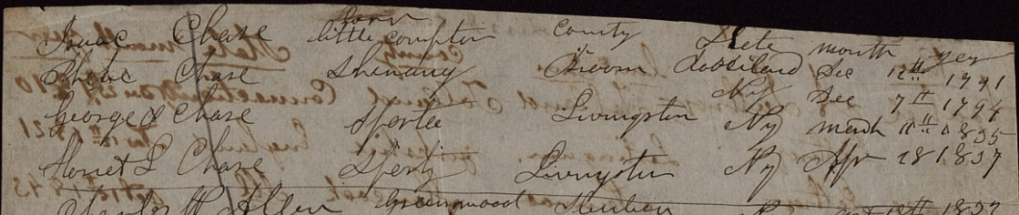

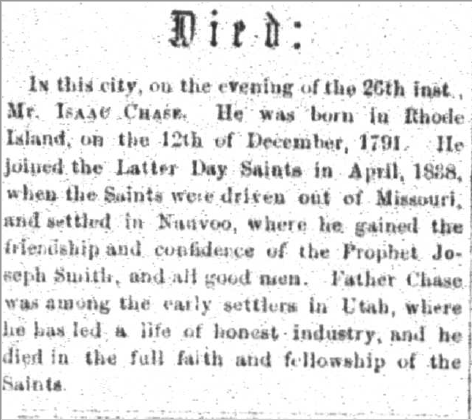
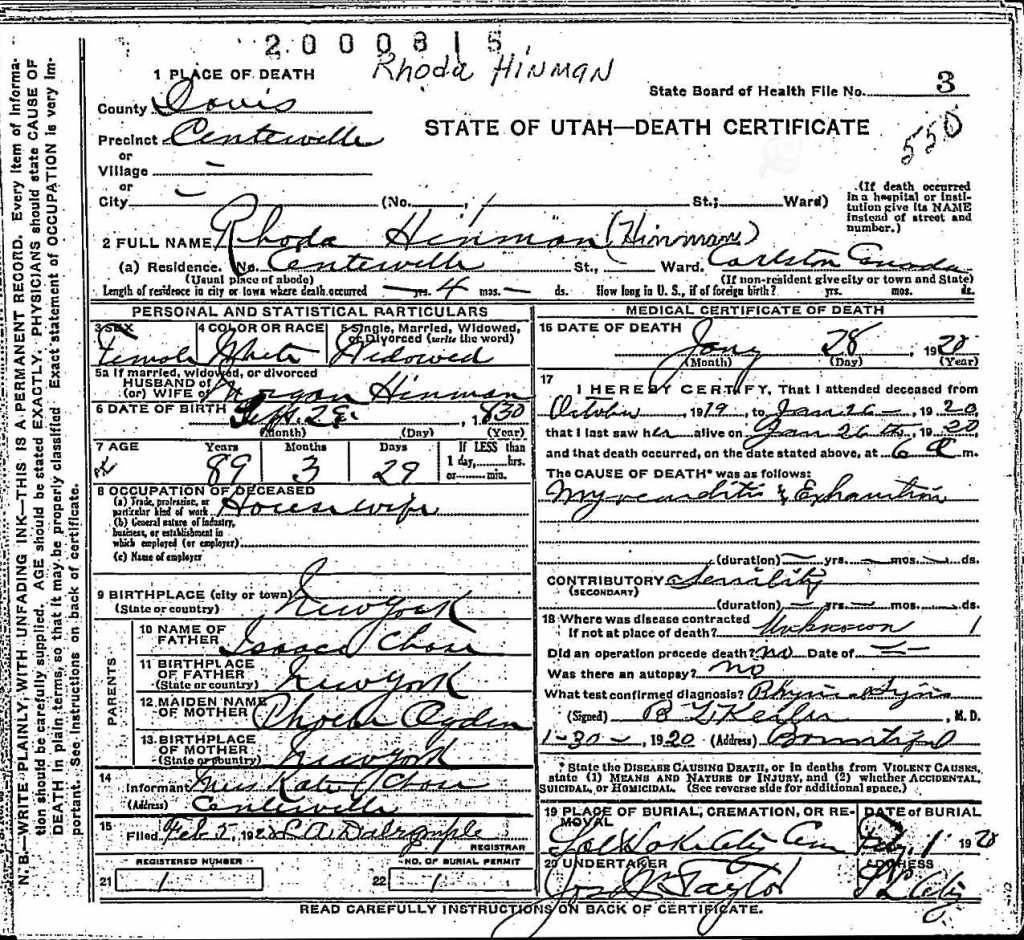

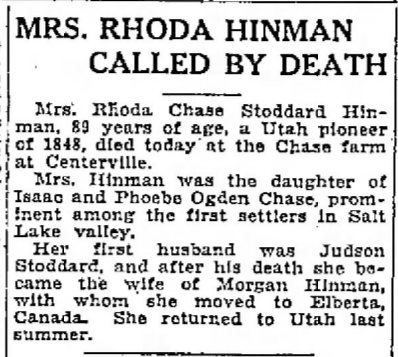


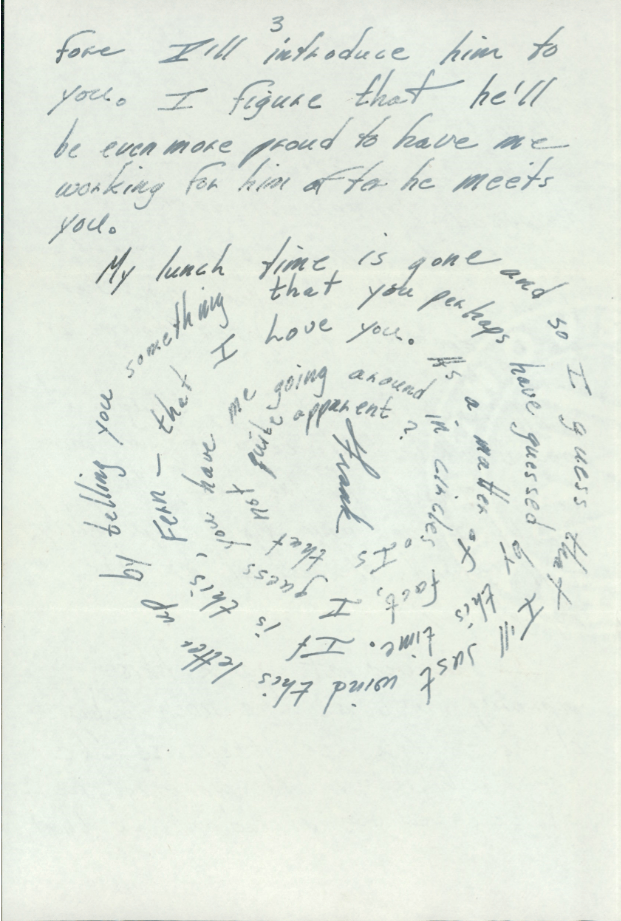

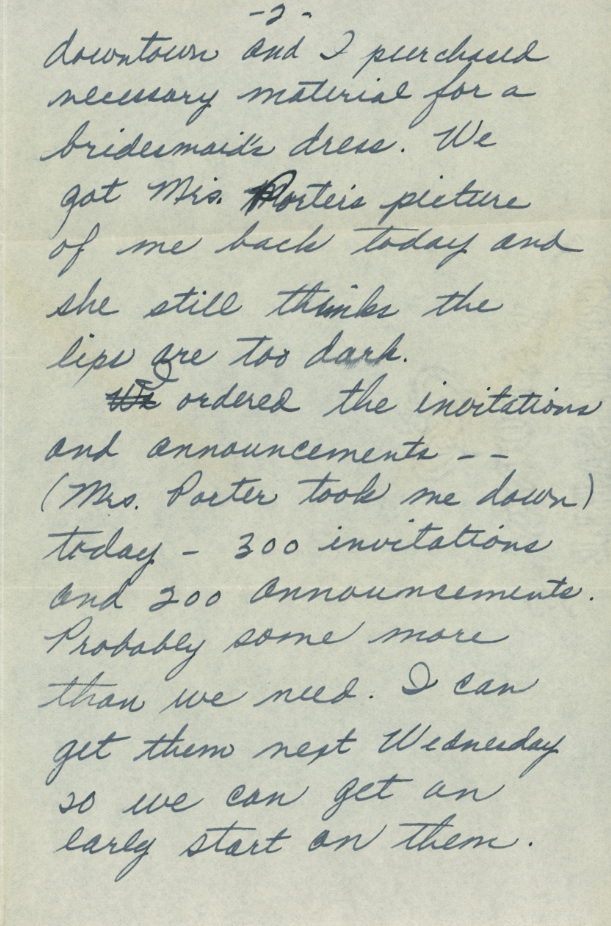


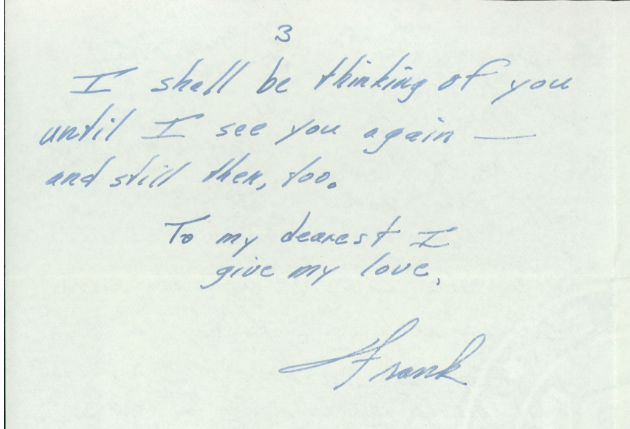
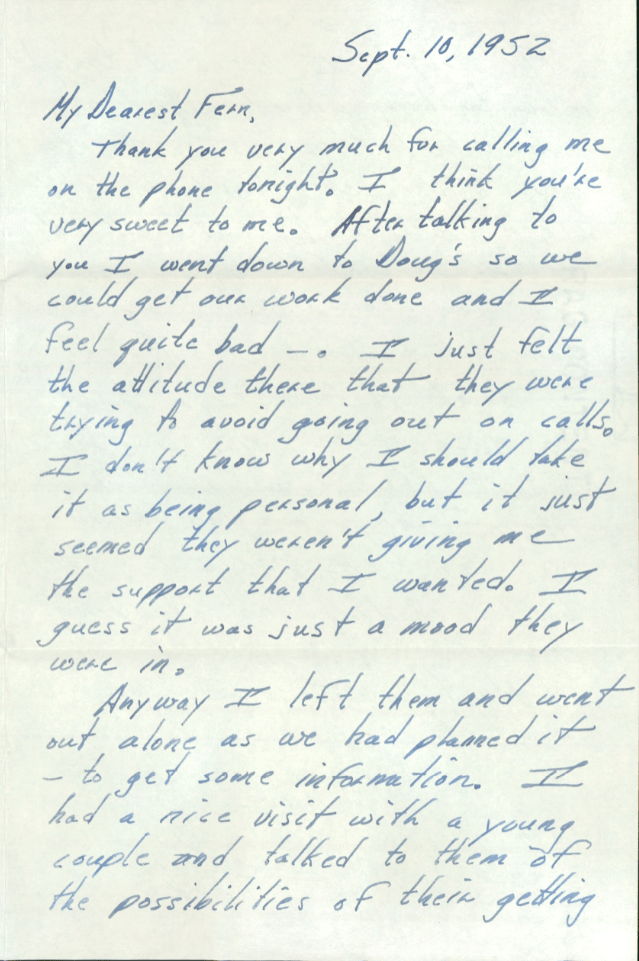
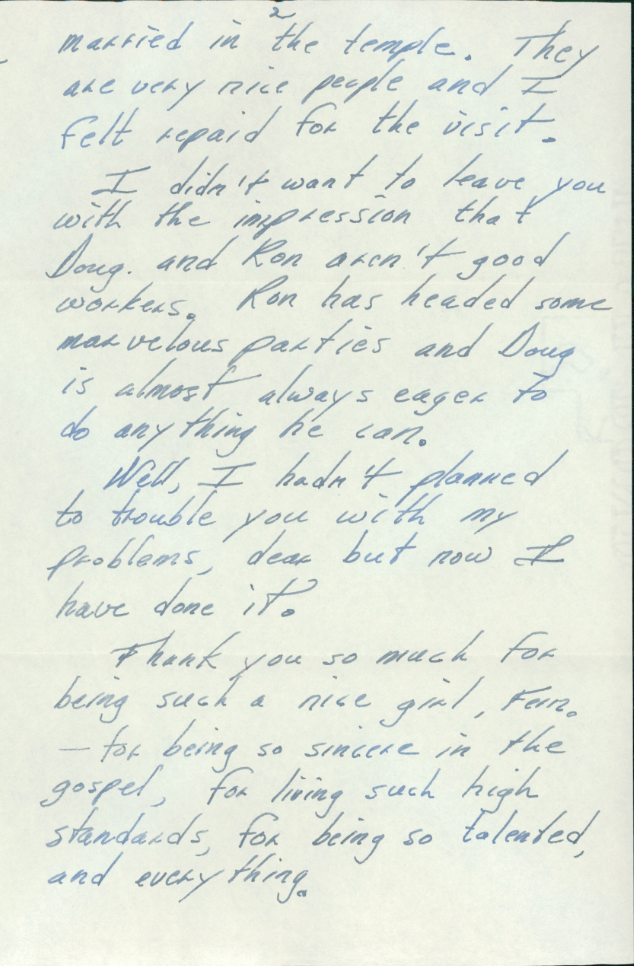


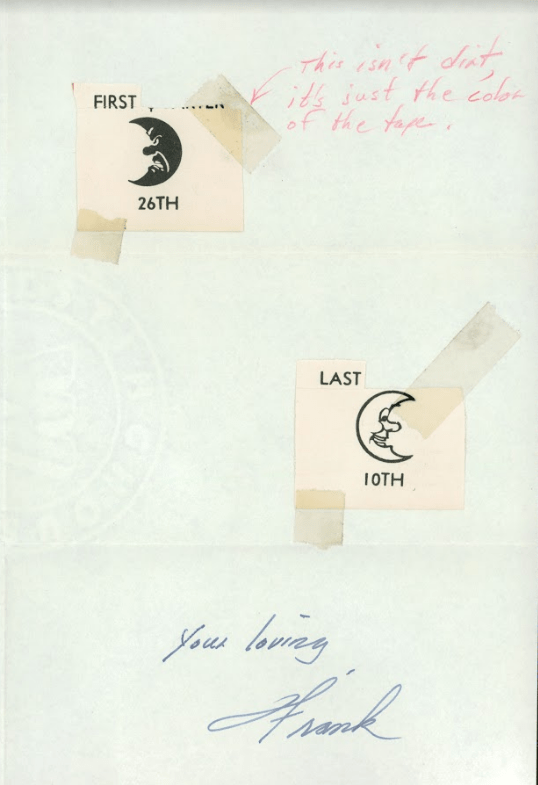
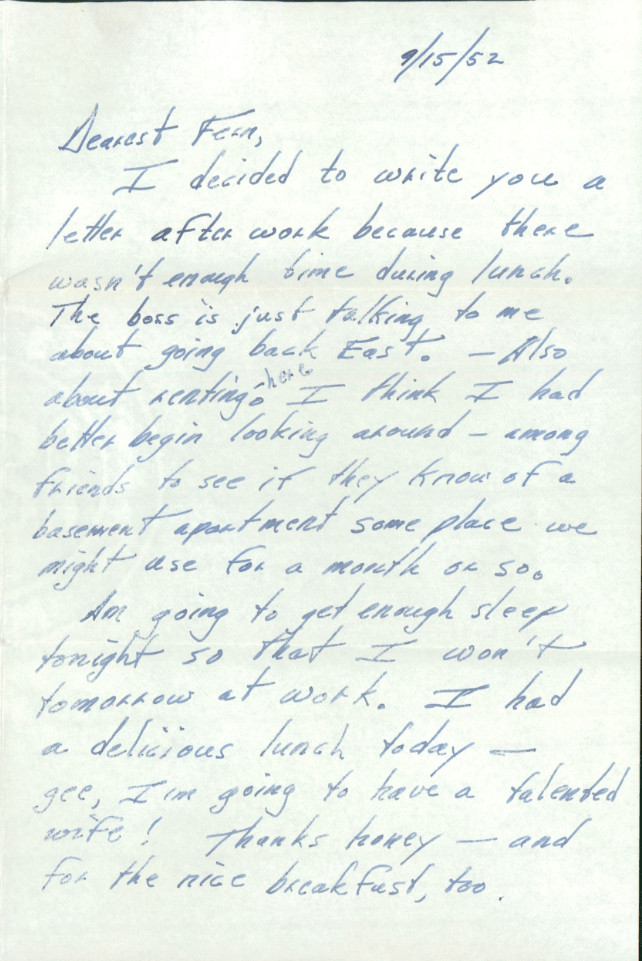

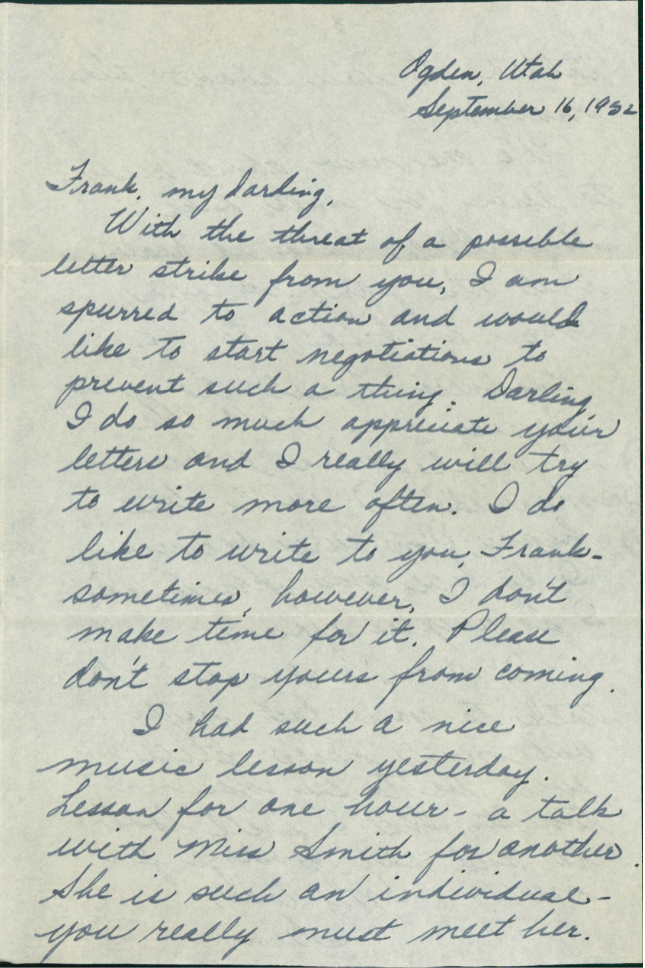
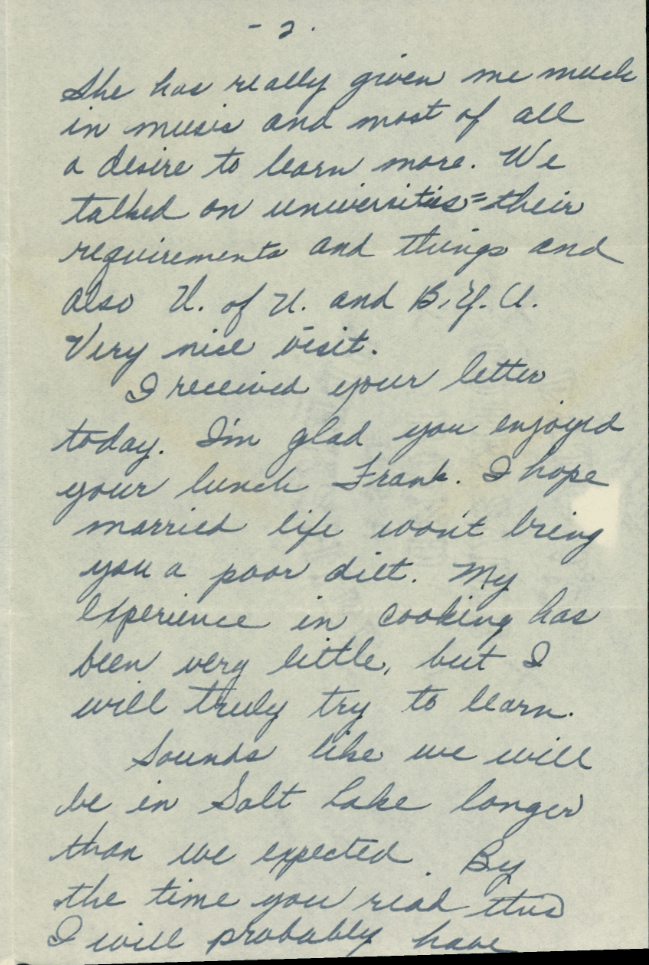


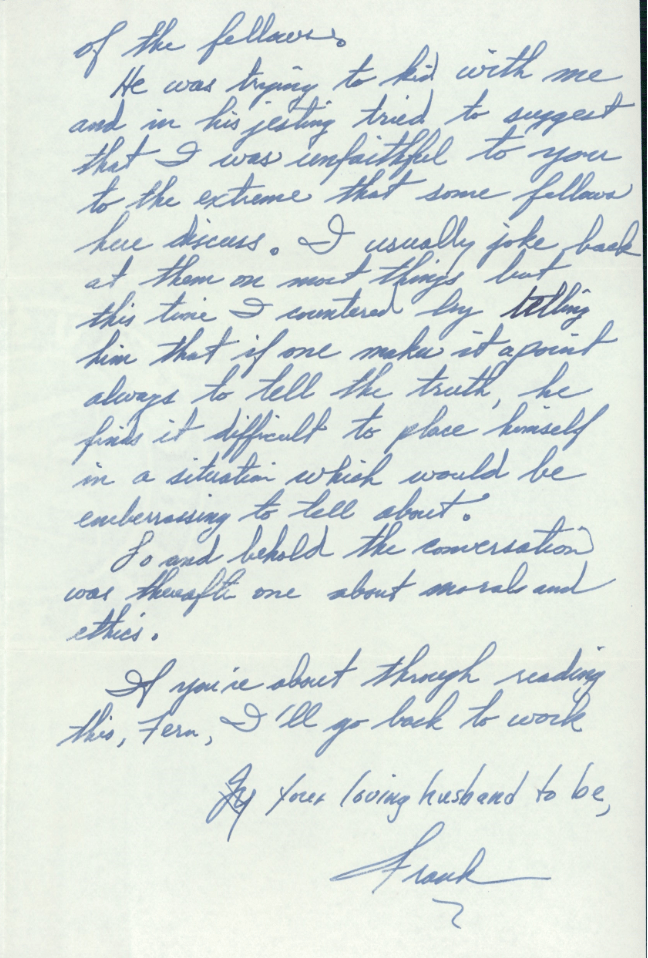
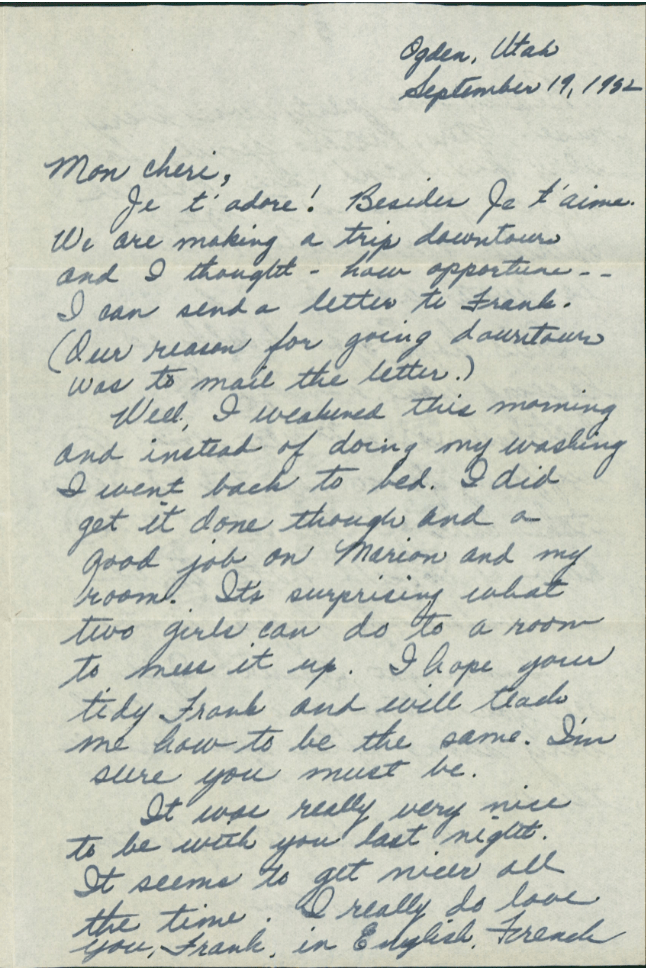
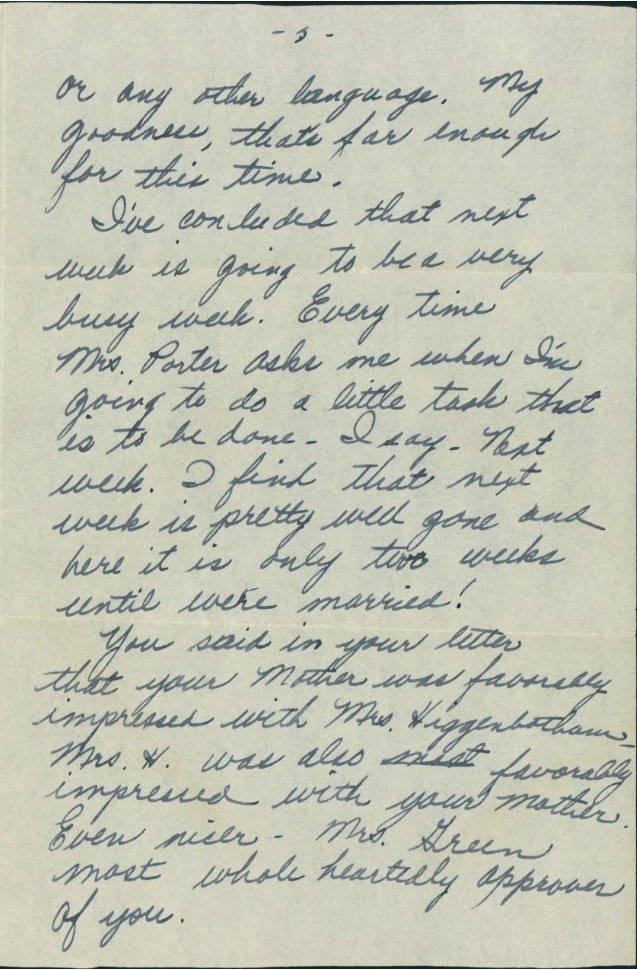
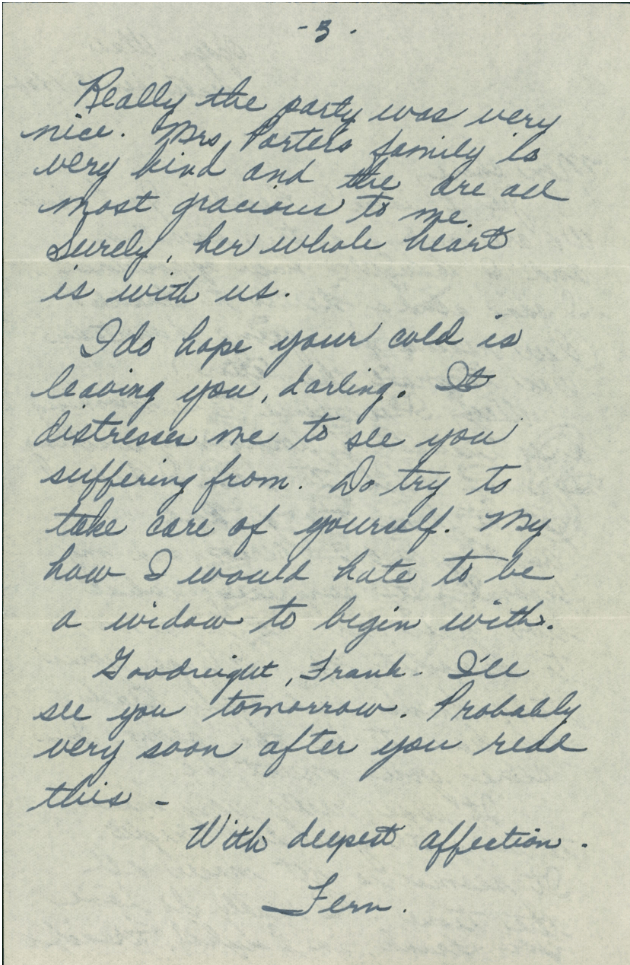
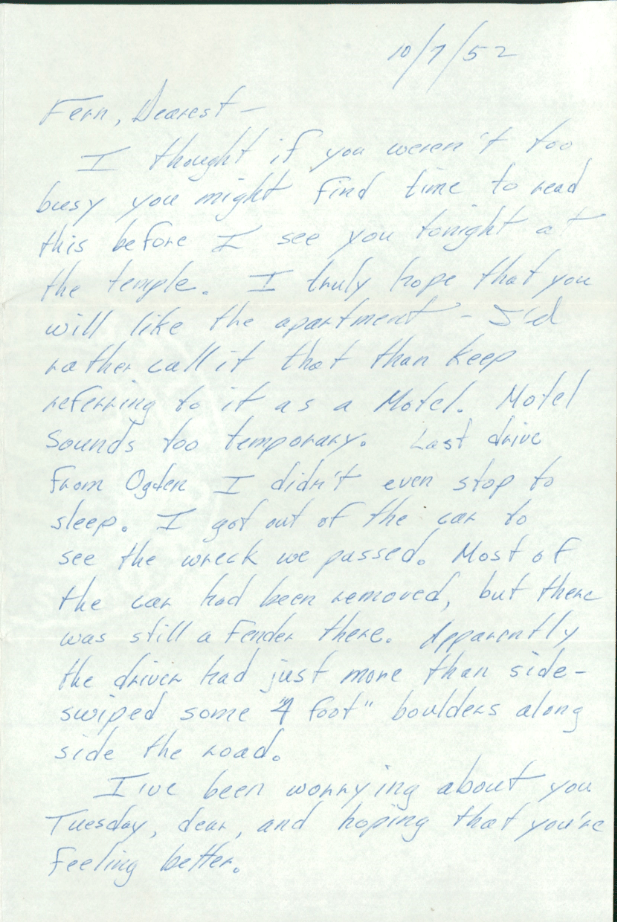
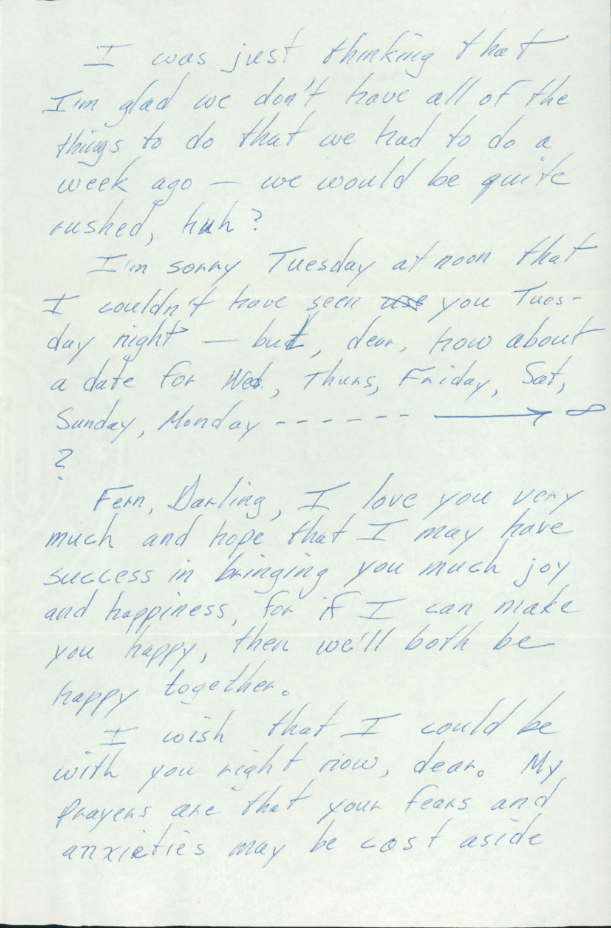

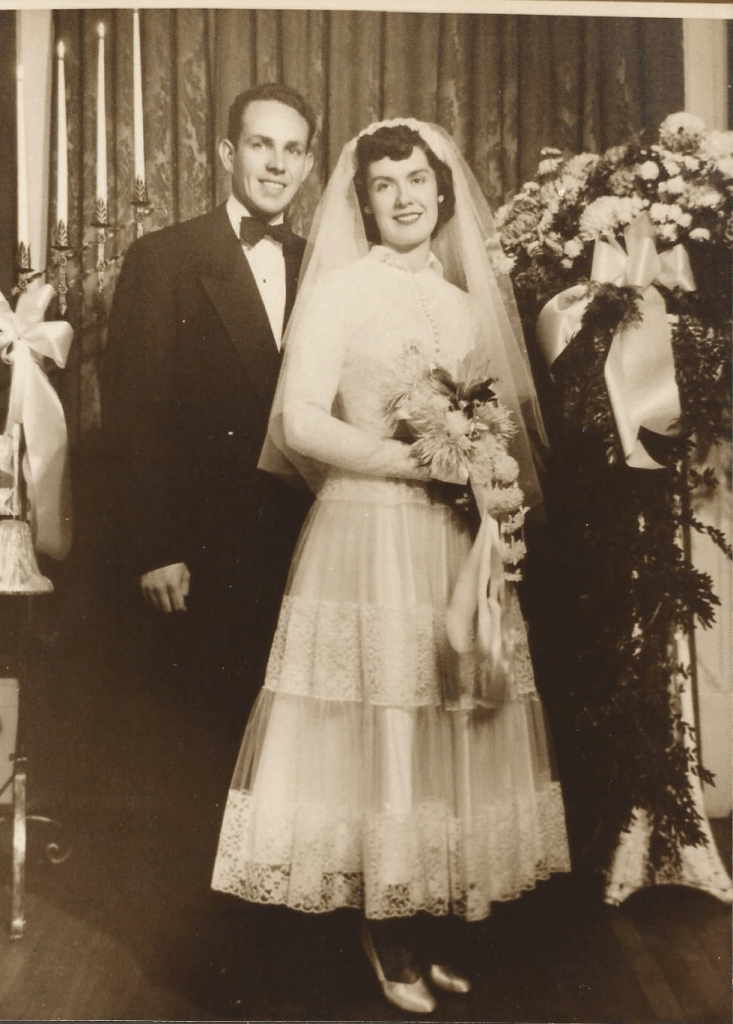

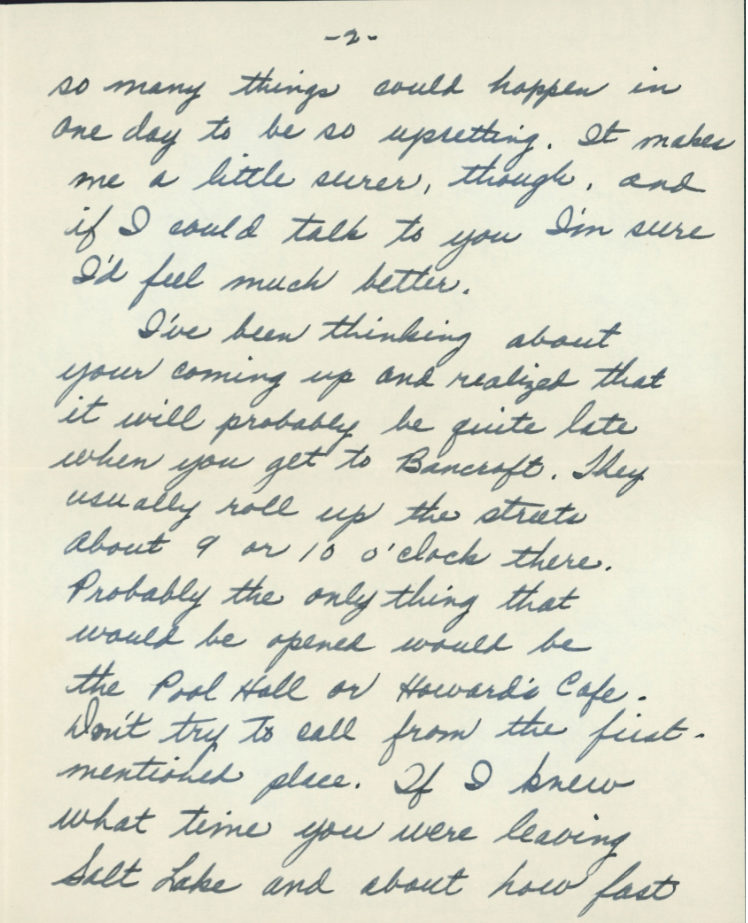
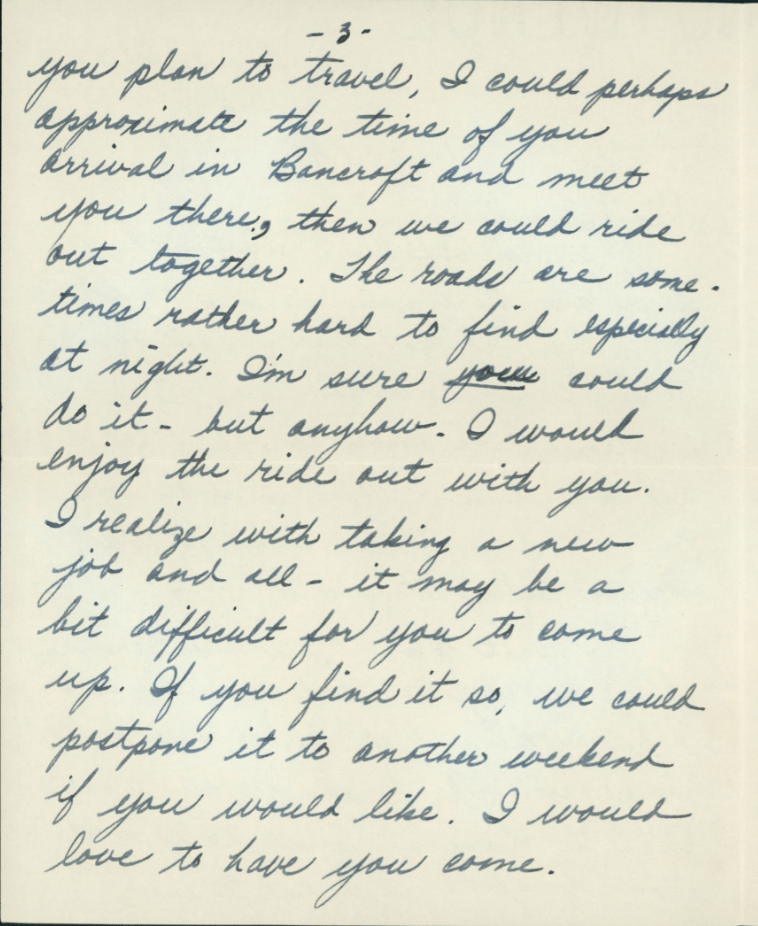

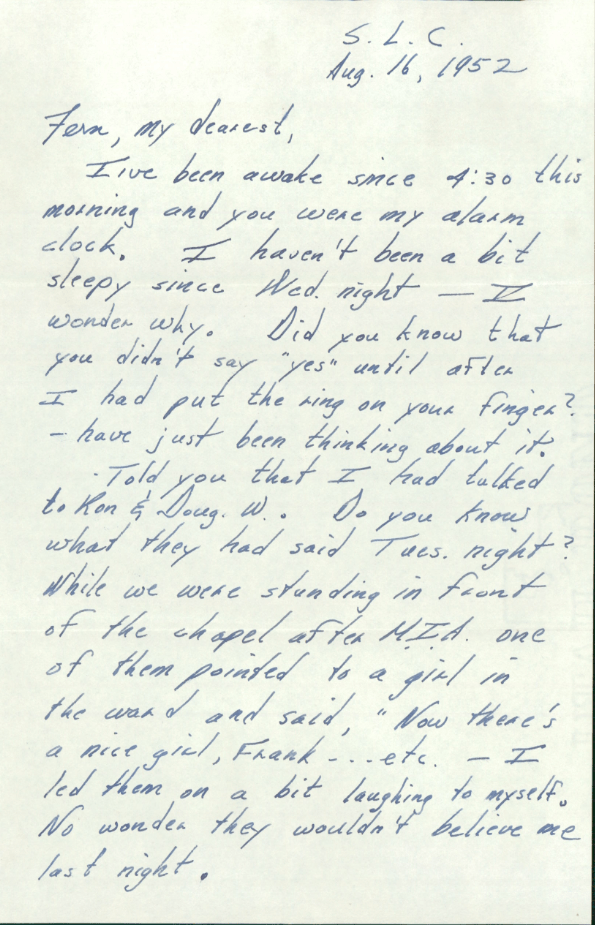
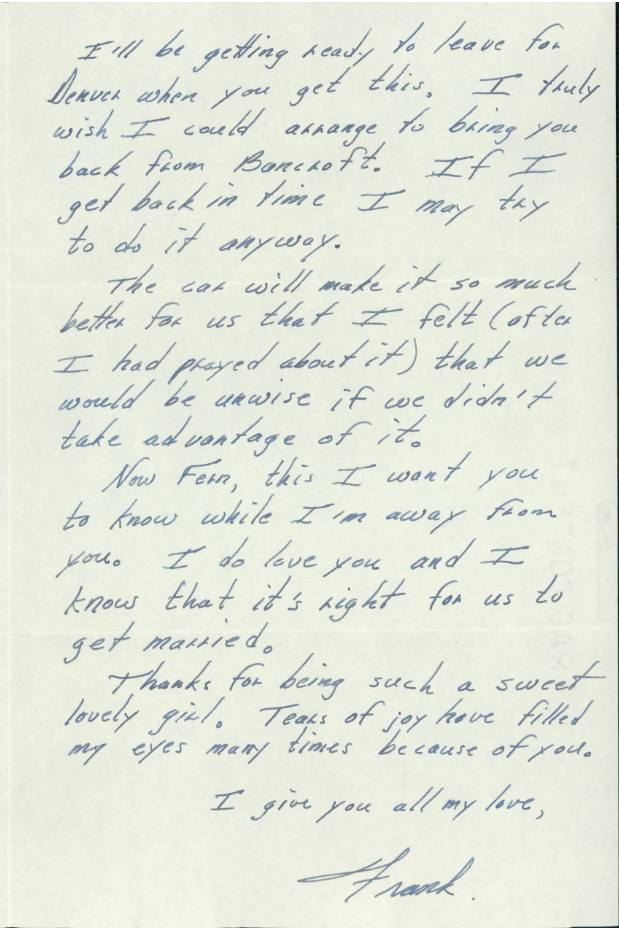

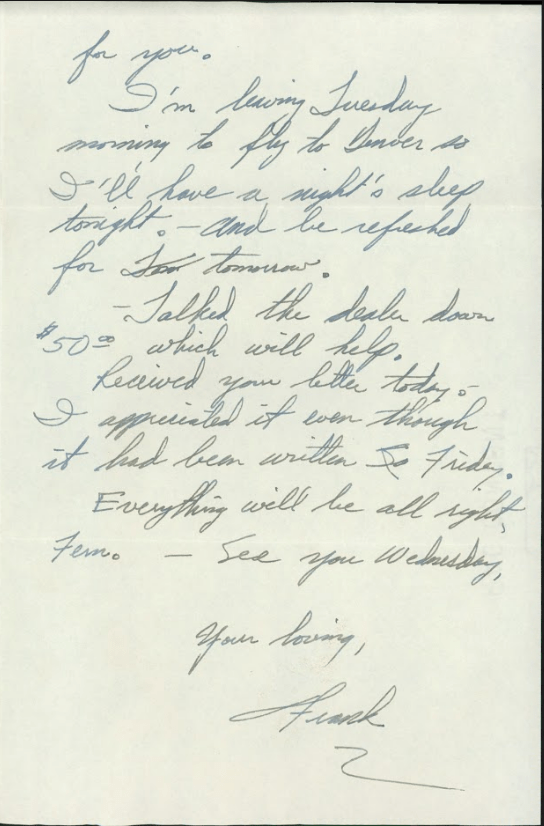
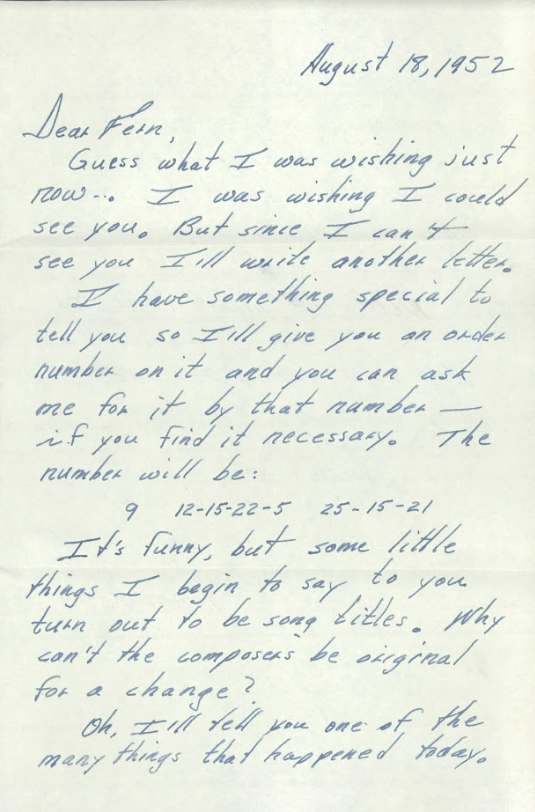
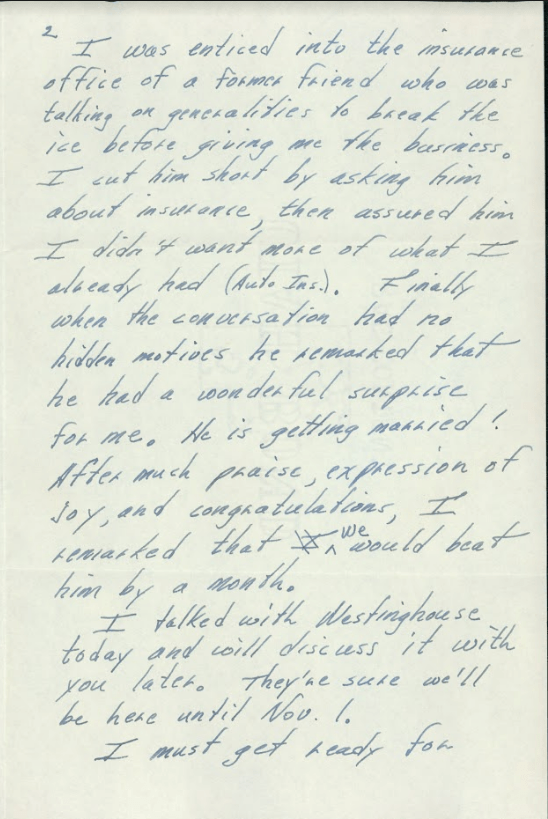
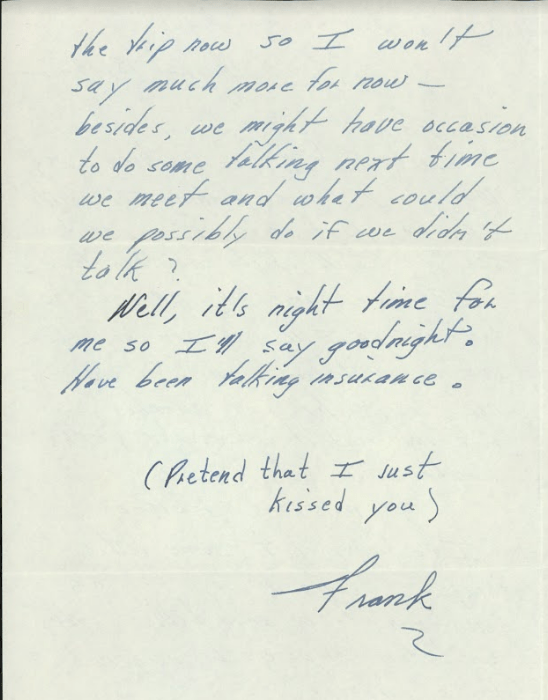
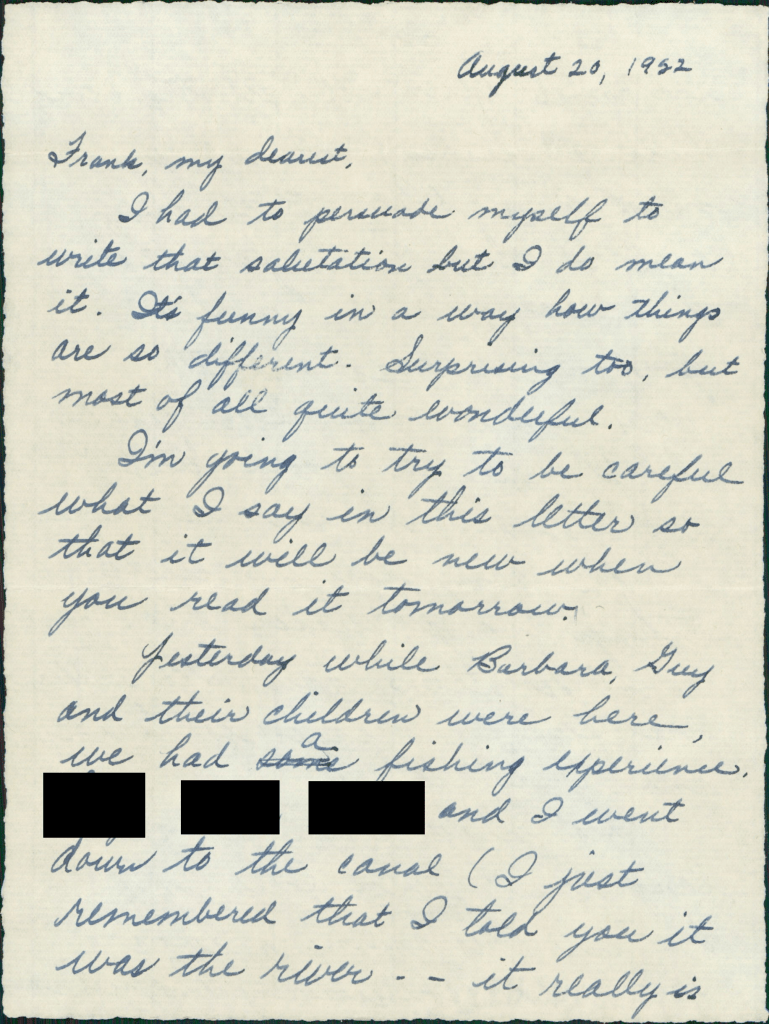
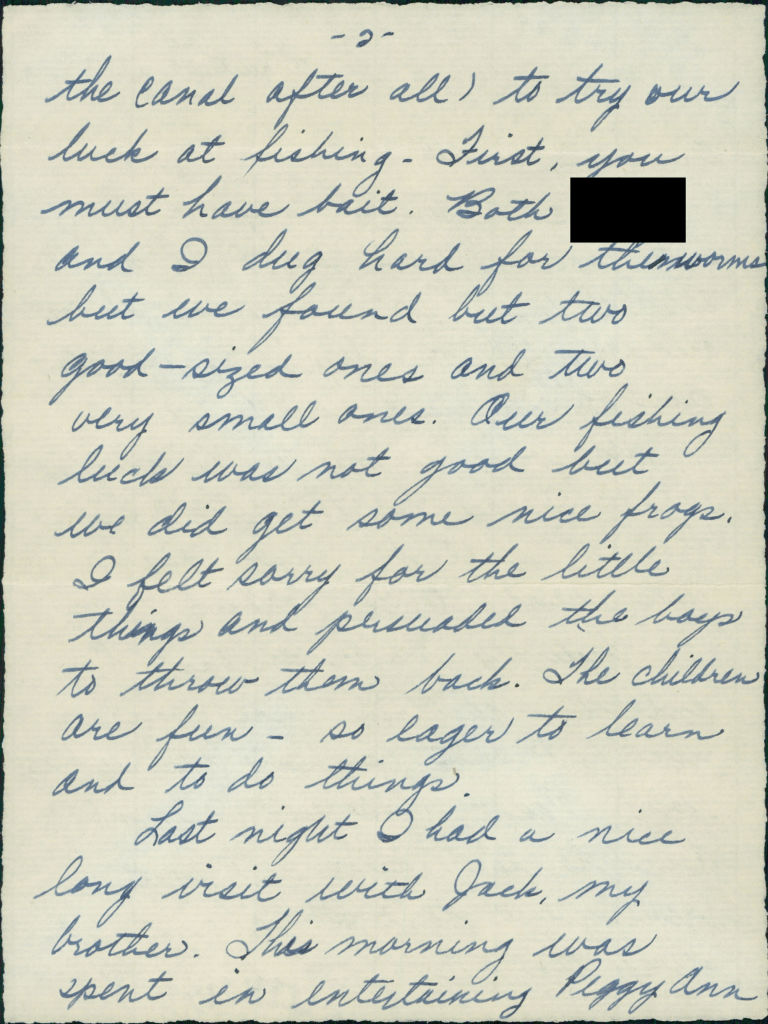
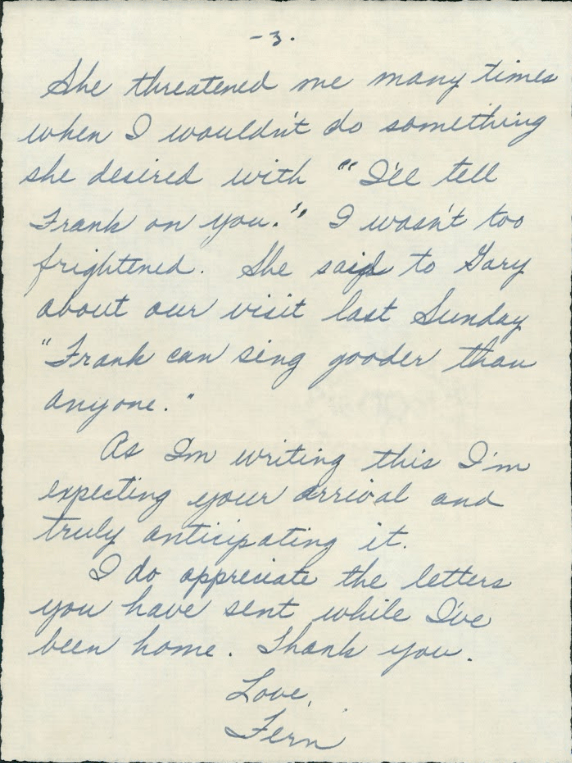
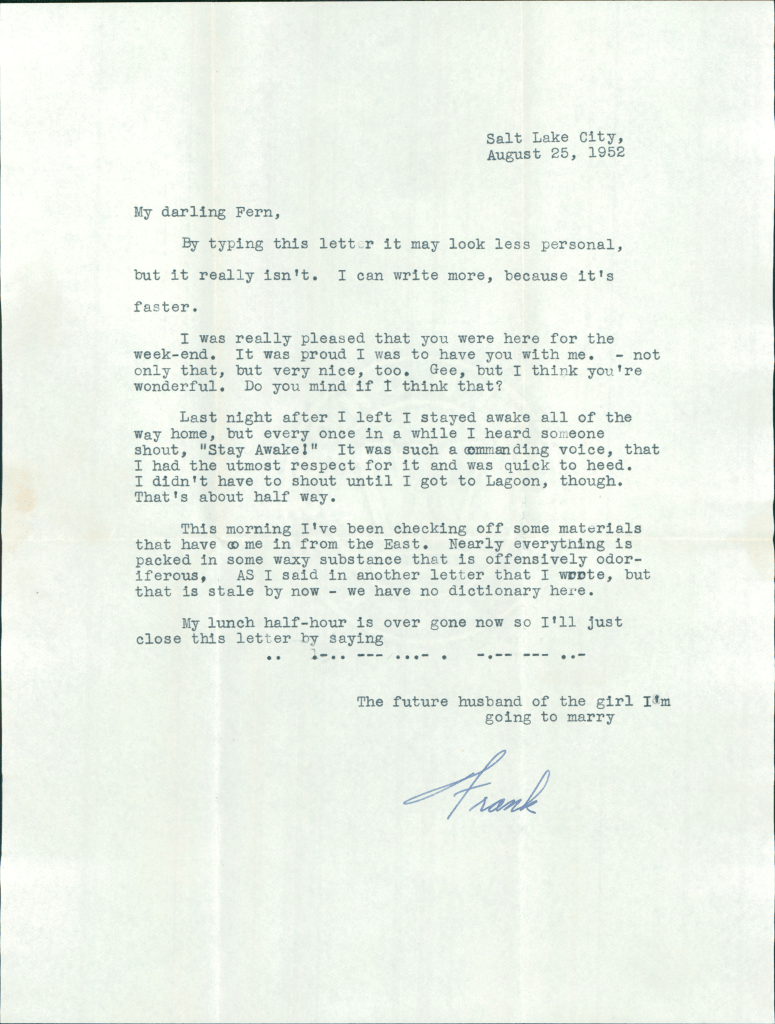
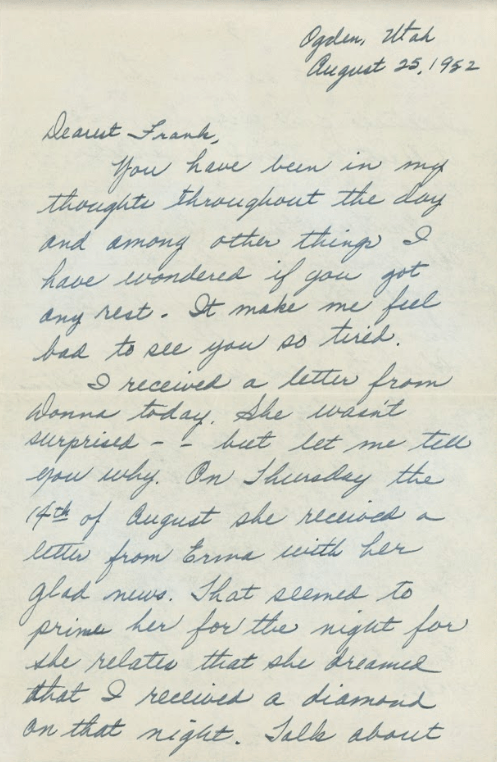


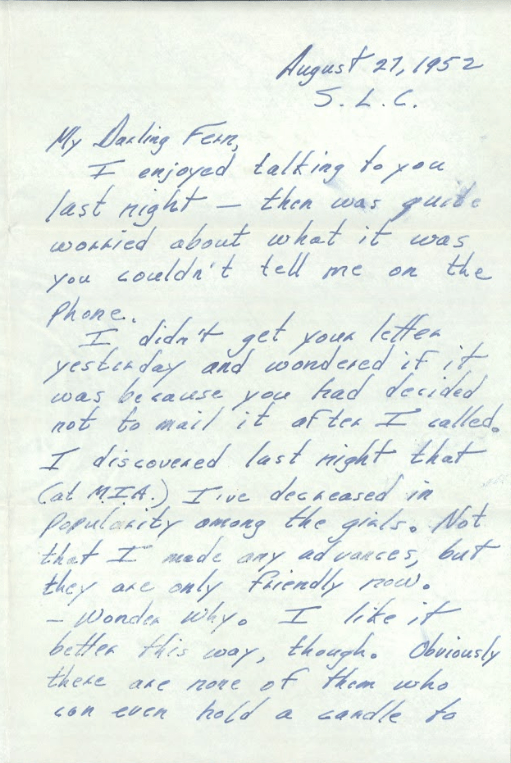
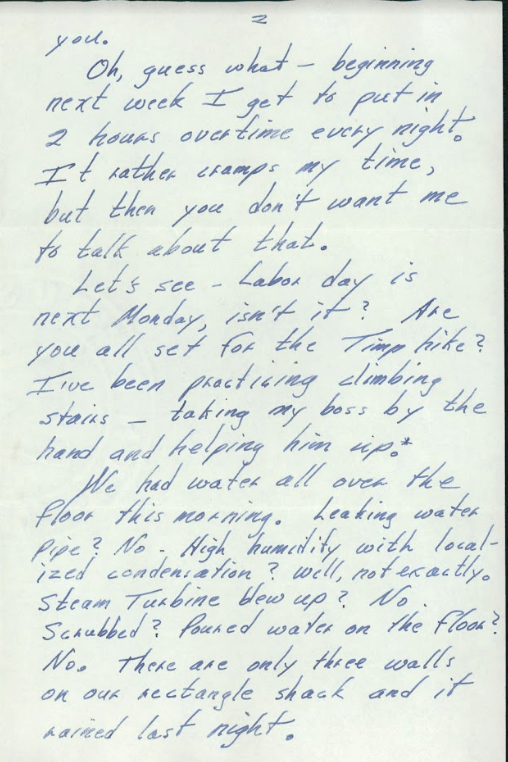


/cdn.vox-cdn.com/uploads/chorus_asset/file/16970616/479937.jpg)
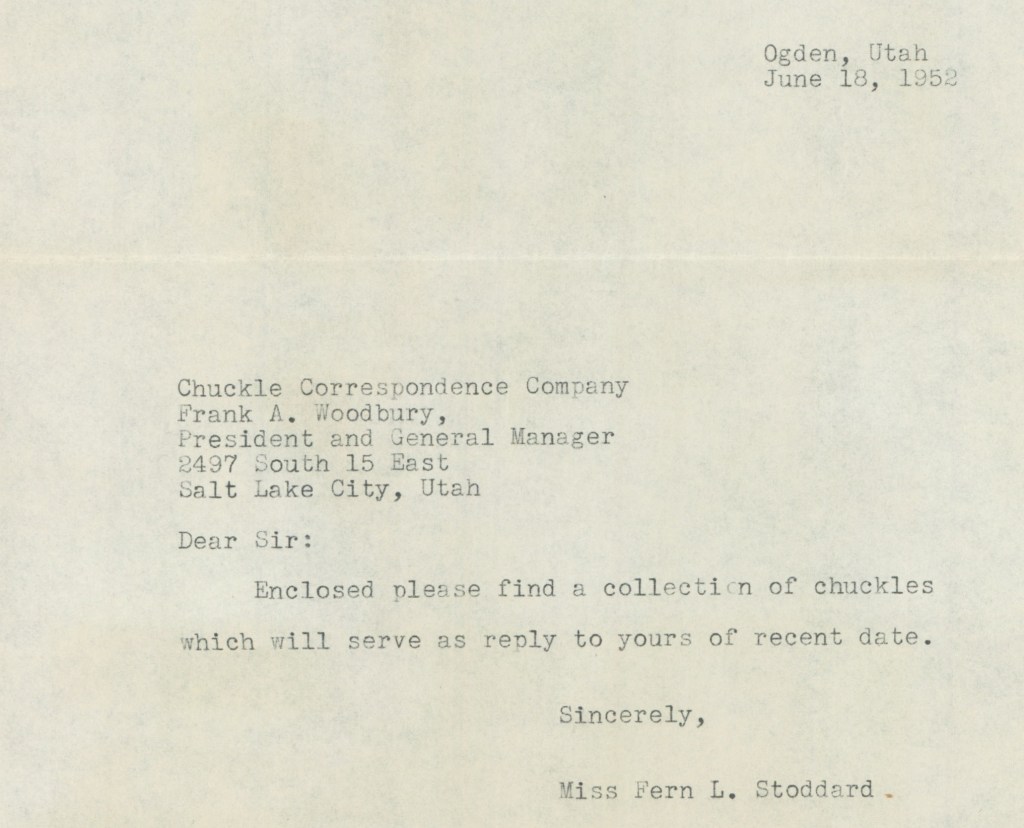


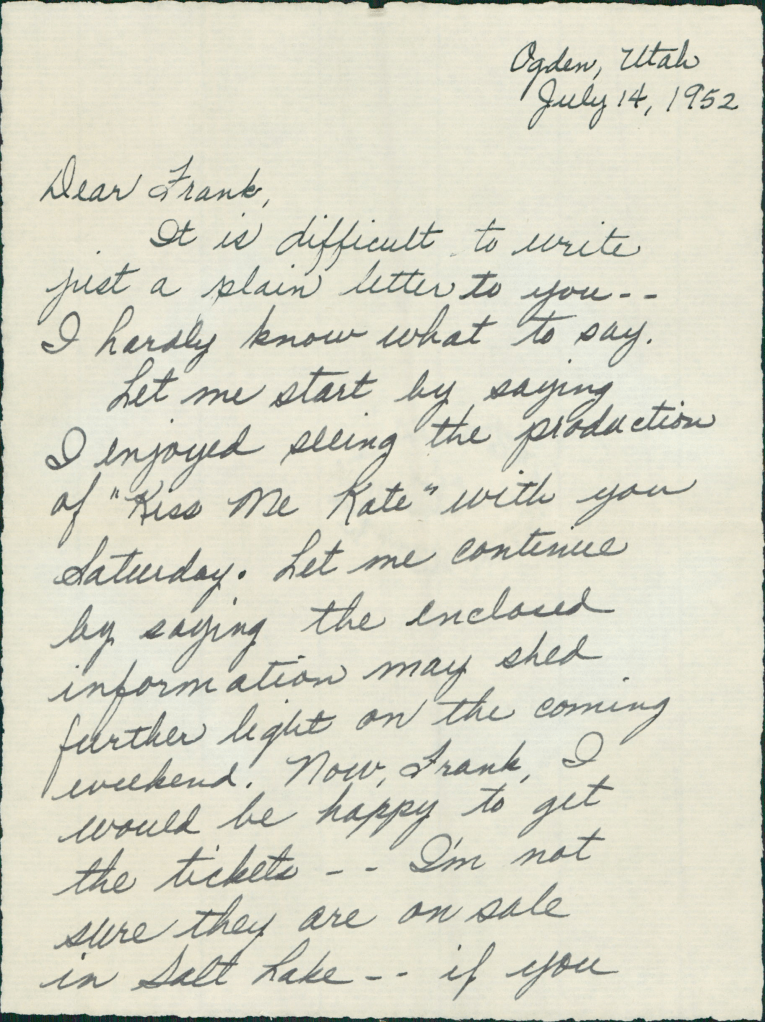
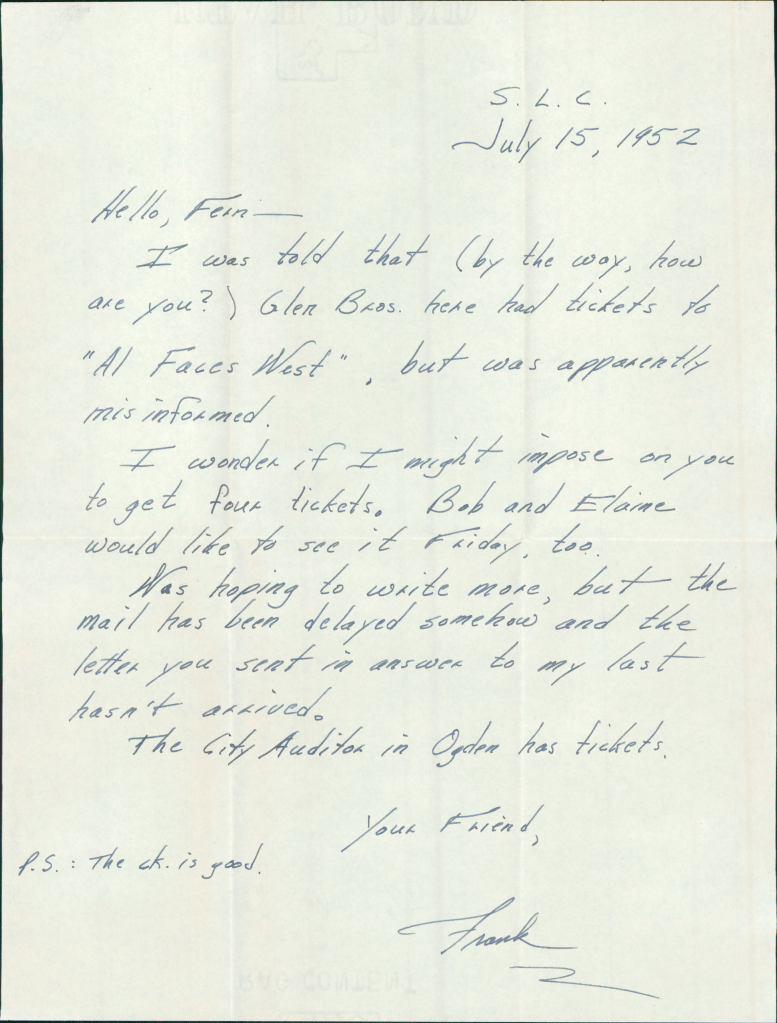


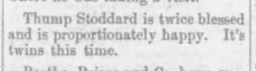
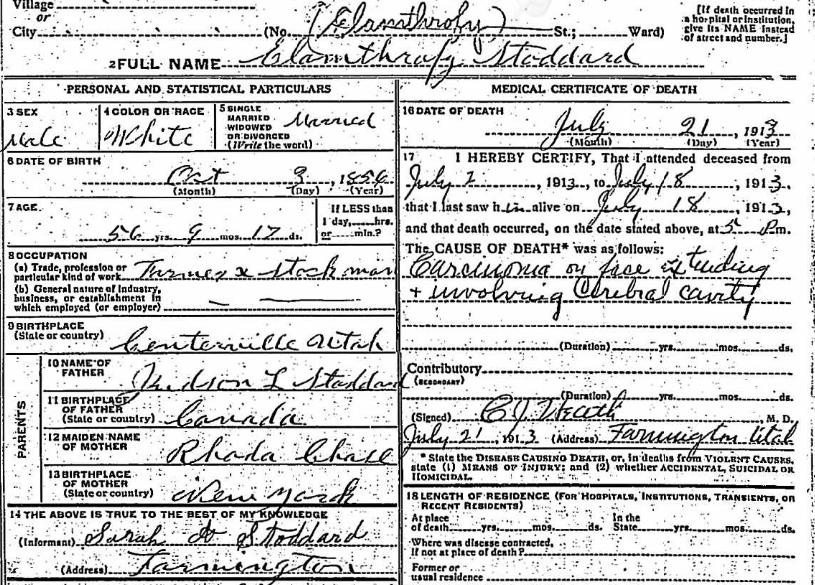
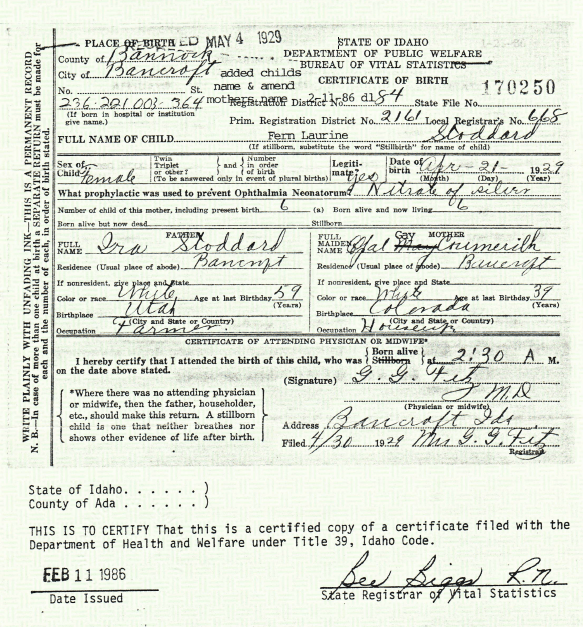


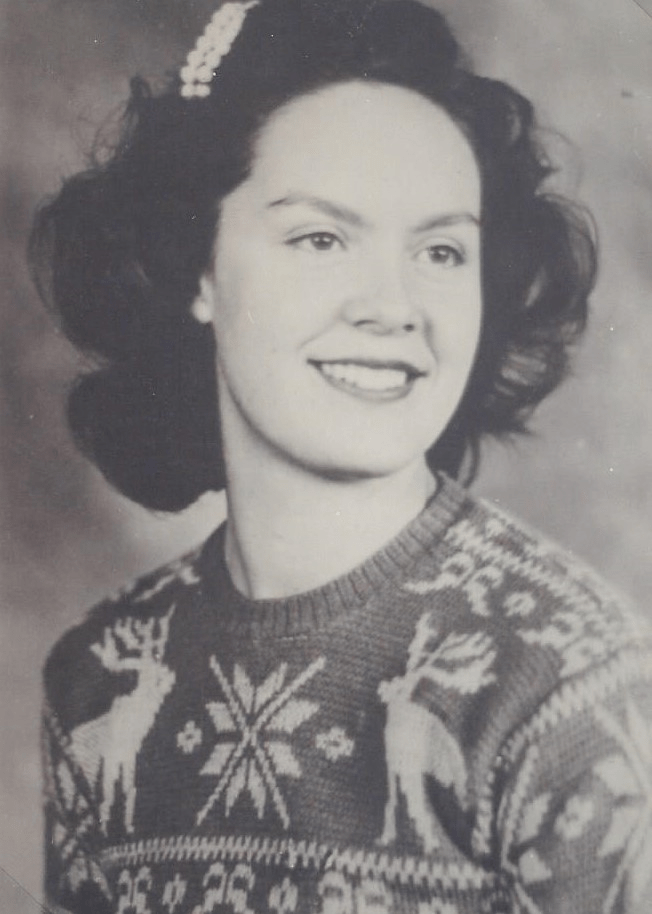

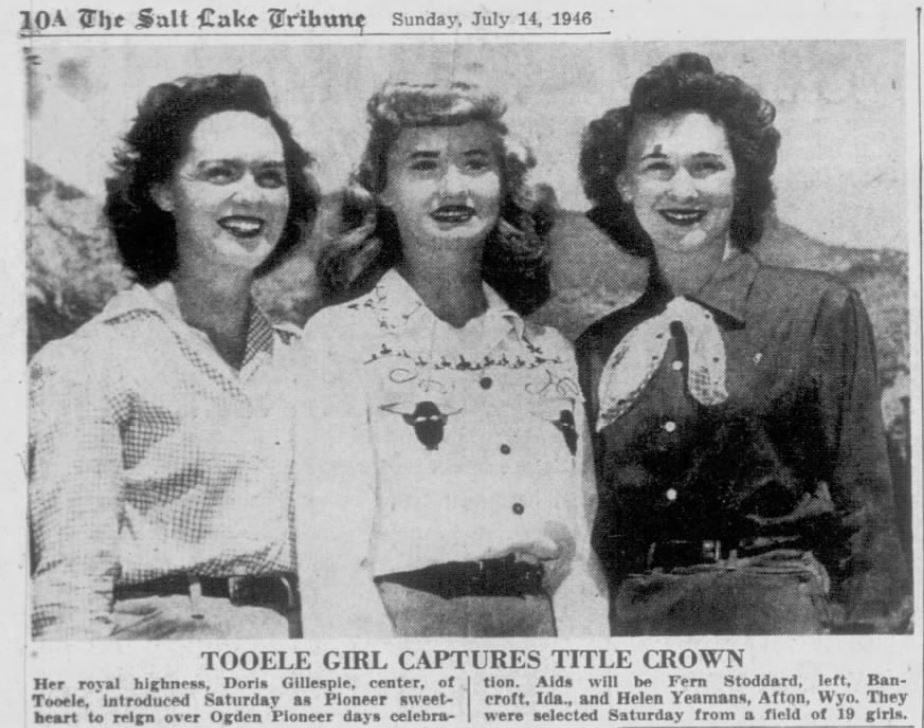
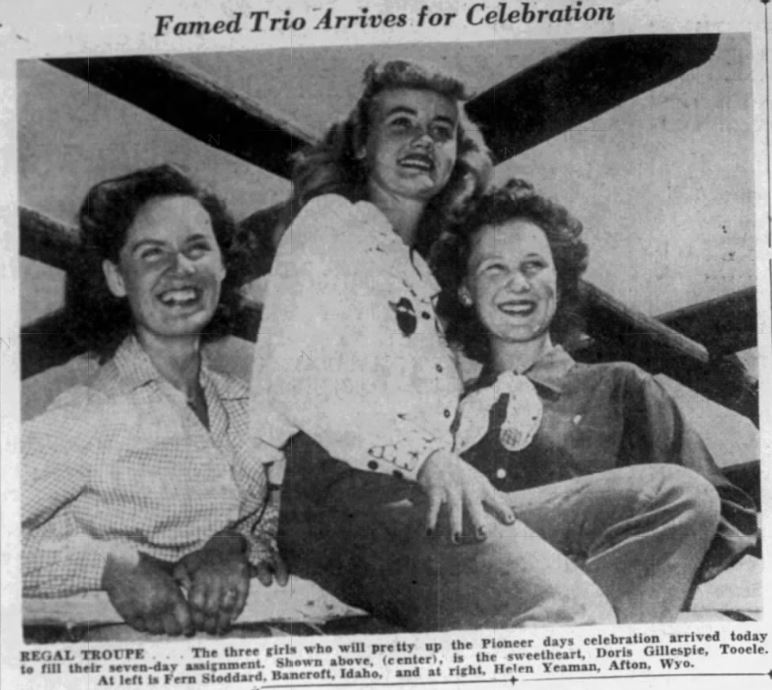
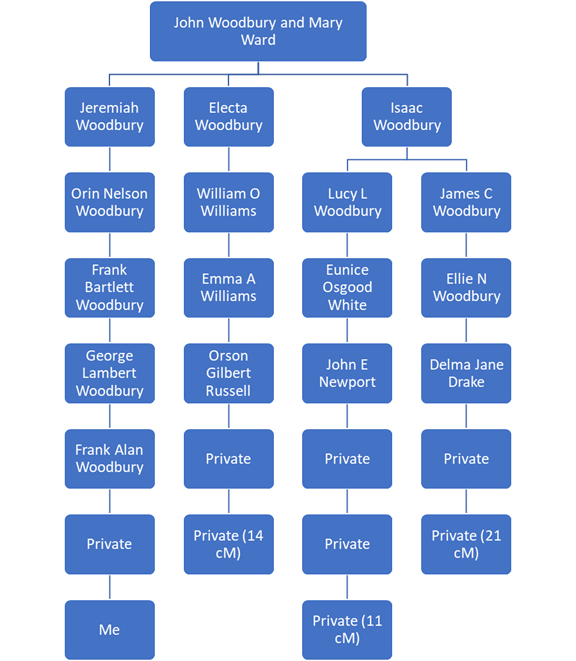
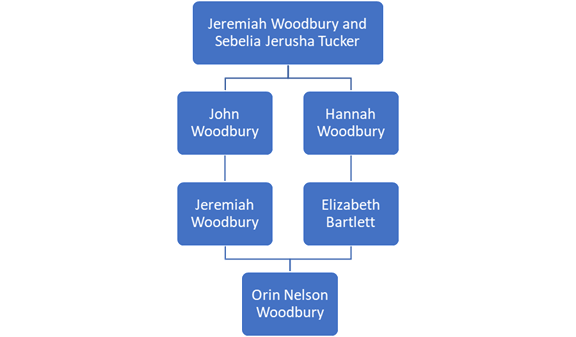
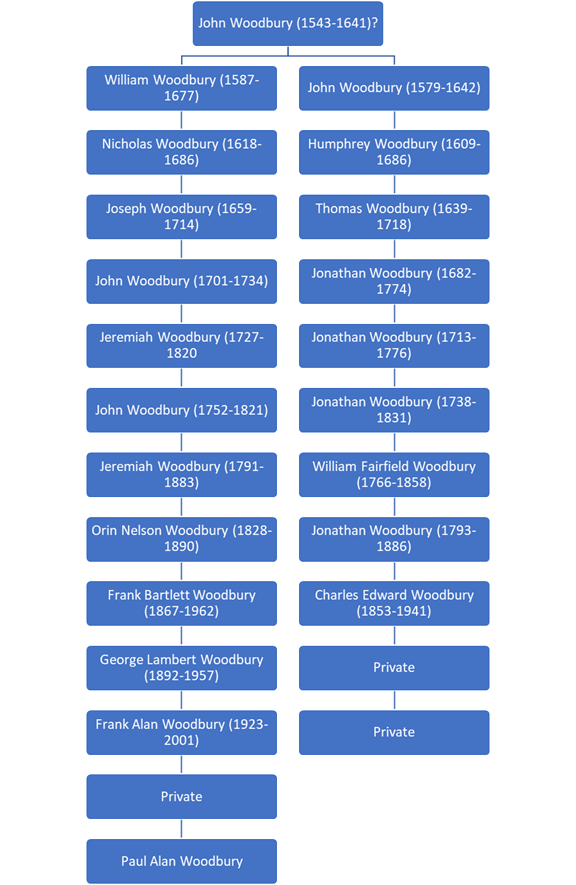
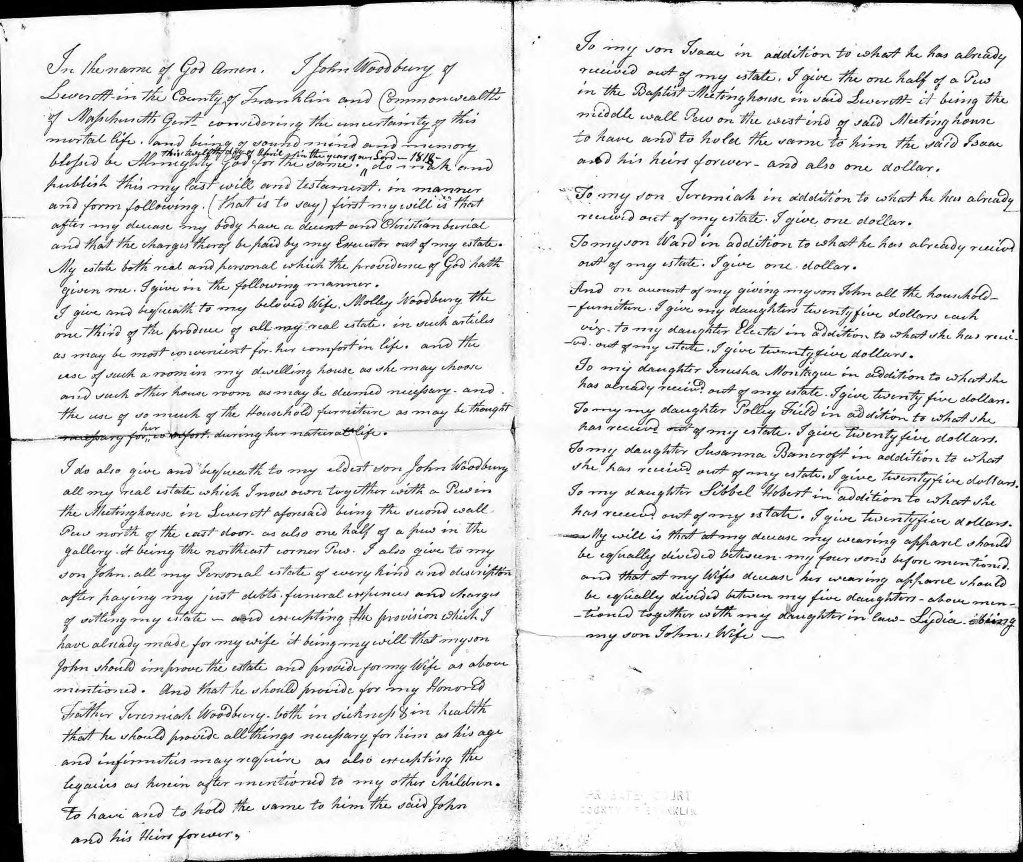


 Genealogenes